

























































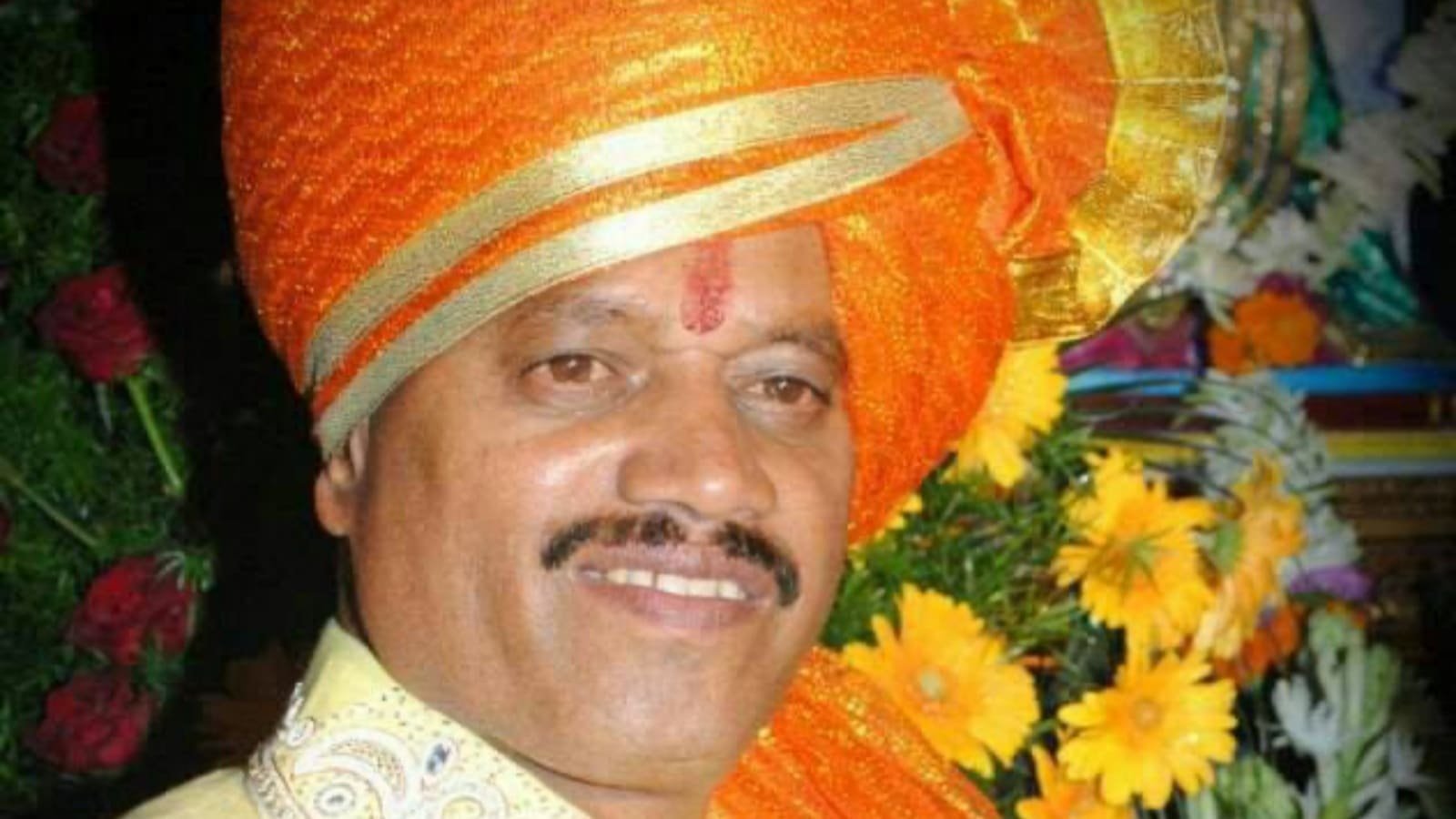
The Andekar gang, a notorious criminal organisation in Pune, has maintained its presence in the city for over four decades, navigating through a complex web of local politics, familial ties, and violent disputes. The gang was thrust back into the public eye following the assassination of former Nationalist Congress Party (NCP) corporator Vanraj Andekar in 2022, an event that has reignited discussions surrounding the gang’s influence and activities in the region.
Vanraj Andekar’s murder marked a significant moment in Pune’s criminal narrative, highlighting the gang’s enduring legacy and the violent repercussions of its ongoing rivalries. The subsequent killing of an 18-year-old, allegedly linked to a vendetta against the Andekar family, underscores the volatility surrounding this criminal outfit, which has been entrenched in the local sociopolitical landscape for decades. Such incidents have not only raised concerns about public safety but have also drawn attention to the broader implications of organised crime in urban centres.
The origins of the Andekar gang can be traced back to the 1980s, a time when Pune was undergoing significant transformation. As the city expanded, so too did the opportunities for illicit activities. The gang quickly established itself by capitalising on the chaotic environment, engaging in various criminal enterprises ranging from extortion to drug trafficking. Their ability to adapt to the changing dynamics of crime has allowed them to thrive even as law enforcement agencies have attempted to dismantle their operations.
The gang’s connections to local politics have been particularly noteworthy. Over the years, members of the Andekar family have forged alliances with influential political figures, leveraging these relationships to shield themselves from law enforcement scrutiny. This symbiotic relationship has enabled the gang to operate with a degree of impunity, as political patrons often provide protection in exchange for support during elections or other political manoeuvres. The intertwining of crime and politics in Pune exemplifies the challenges faced by authorities in combating organised crime.
The Andekar gang’s notoriety is not solely attributed to its criminal activities; it is also rooted in the familial dynamics that characterise its operations. The gang is largely family-run, with various members occupying key roles within the organisation. This familial structure has allowed for a level of loyalty and cohesion that is often lacking in other criminal groups. However, it has also led to internal conflicts, with disputes over power and control occasionally spilling into public view, contributing to the gang’s violent reputation.
Recent events have revealed the fragility of the gang’s unity. The murder of Vanraj Andekar not only eliminated a prominent figure within the organisation but also triggered a wave of retaliatory violence that has further destabilised the already tense situation. The fallout from these incidents has raised questions about the future of the Andekar gang and its capacity to maintain its influence in Pune. Law enforcement agencies have intensified their efforts to dismantle the gang, employing a range of strategies aimed at disrupting its operations and cutting off its political connections.
The ongoing struggle between the Andekar gang and the authorities illustrates the complexities of tackling organised crime in urban environments. The gang’s deep-rooted connections to local society, coupled with its ability to adapt to shifting circumstances, pose significant challenges for law enforcement. As the situation in Pune continues to evolve, the legacy of the Andekar gang serves as a stark reminder of the persistent issues of crime and corruption that plague many cities across India.
While the direct impact of the gang’s activities is often felt most acutely by those living in its immediate vicinity, the broader implications for governance and public safety are undeniable. The intertwining of crime, politics, and familial loyalty creates a challenging landscape for both residents and law enforcement officials alike. As Pune grapples with these issues, the story of the Andekar gang remains a critical chapter in the narrative of organised crime in the region.