



























































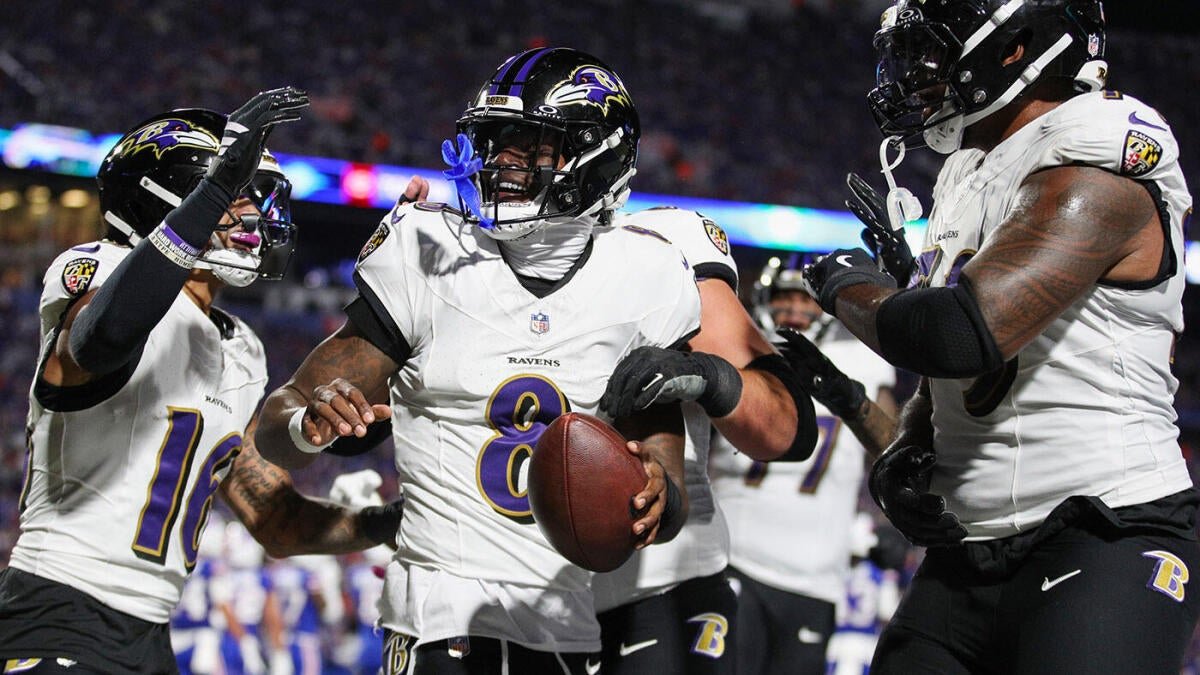
During a recent NFL matchup between the Baltimore Ravens and the Buffalo Bills, tensions escalated when Ravens quarterback Lamar Jackson became involved in a confrontation with a fan. This incident unfolded shortly after Jackson had thrown a touchdown pass, which had invigorated the Ravens’ supporters and intensified the atmosphere in the stadium.
As Jackson celebrated the score, a fan, who appeared to be in a state of high spirits, reached out and slapped him on the helmet. This action did not go unnoticed, as it was a clear provocation in the heat of the moment. Jackson, known for his competitive spirit and passion for the game, responded instinctively to the slap. In retaliation, he turned towards the fan and pushed him, a reaction that underscored the intensity of the game and the emotions that can run high during such encounters.
This incident was not an isolated event, as it was reported that DeAndre Hopkins, a prominent wide receiver for the Arizona Cardinals, experienced a similar slap from the same fan moments before Jackson’s altercation. The fan’s actions drew attention not only from the players directly involved but also from those in the vicinity, highlighting the often unpredictable dynamics between athletes and spectators during live sporting events.
The incident raised questions about fan behaviour and the appropriate boundaries that should exist between spectators and players. While fans are known for their passionate support of their teams, actions that cross into physical contact, particularly with players, can lead to significant repercussions. The NFL has been increasingly vigilant about ensuring player safety, both on and off the field, and this episode serves as a reminder of the potential for conflict in such charged environments.
Following the game, reactions poured in from various quarters. Fans and analysts alike expressed differing views on the situation. Some defended Jackson’s response as a natural reaction to an unwarranted provocation, while others argued that athletes should maintain composure and not engage with fans in such a manner. The debate highlighted the complexities of player-fan interactions, especially in high-stakes games where emotions can run rampant.
The Ravens’ victory in Buffalo was marked by not only Jackson’s impressive performance but also by the palpable energy of the crowd. The game itself was a showcase of talent, strategy, and the fierce rivalry between the two teams, which has been a staple in the NFL. However, this particular incident overshadowed some of the on-field action, as it became a talking point for fans and commentators alike.
In the days following the game, discussions surrounding the ethics of fan interactions with players continued to circulate in sports media. Many pointed out that while the passion of fans is integral to the sport, there must be a mutual respect that prevents the crossing of personal boundaries. The NFL has previously implemented measures to curb unruly behaviour among fans, and this incident might prompt further discussions on the need for stricter regulations.
Moreover, the incident could have consequences for the fan involved, particularly if the league decides to take action against disruptive behaviour. The NFL has a history of addressing issues of fan misconduct, and this situation could serve as a precedent for how similar cases are handled in the future.
As the Ravens and their fans celebrated their victory, Jackson’s momentary lapse in judgement served as a reminder of the pressures faced by professional athletes. The demands of performing under scrutiny can sometimes lead to reactions that are less than ideal. Nonetheless, this incident illustrates the intricate relationship between athletes and their supporters, where the lines between admiration and overzealousness can sometimes blur.