















































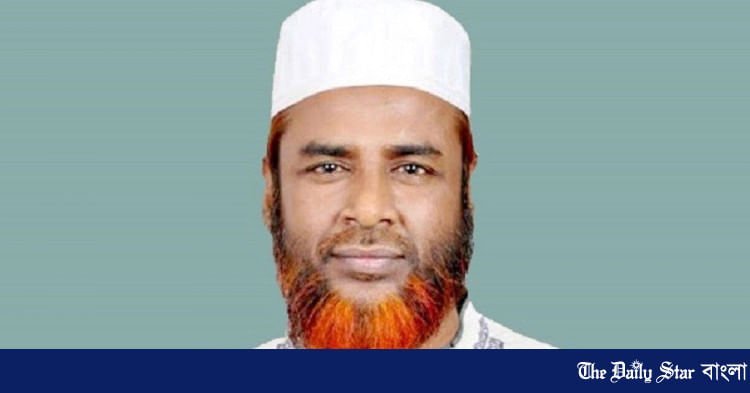
A prominent leader from the Jamaat-e-Islami party has expressed strong opposition to the recent decision by the Bangladeshi government to recruit music and dance teachers in primary schools. This initiative, aimed at promoting cultural education, has led to significant backlash from the party, which argues that such positions should not be filled while religious teachers remain absent from the educational framework.
The Jamaat leader articulated that hiring instructors for music and dance contradicts the country’s religious values and educational priorities. He emphasised that the recruitment of religious educators is paramount, and the absence of these positions undermines the spiritual development of students. According to him, the inclusion of music and dance in the curriculum is not only inappropriate but also detrimental to the moral fabric of society.
The party’s stance is rooted in a broader ideological perspective that favours a curriculum reflective of Islamic teachings. Jamaat-e-Islami believes that education should primarily focus on religious instruction, which they argue is essential for nurturing a society grounded in moral and ethical values. The leader stressed that while cultural education has its place, it should never overshadow the importance of religious education in schools.
The criticism comes at a time when the Bangladeshi government is striving to enhance the quality of education in primary institutions. The introduction of arts education, including music and dance, is seen as a step towards fostering creativity and cultural awareness among young students. Proponents of the initiative argue that exposure to various forms of art is crucial for holistic development, helping children to express themselves and appreciate diverse cultures.
However, the Jamaat-e-Islami party’s objections highlight a significant divide in perspectives regarding the direction of education in Bangladesh. The debate centres on the balance between secular and religious education, with each side advocating for what they believe to be in the best interest of the nation’s youth. The party’s call for the government to reconsider its decision reflects a desire to maintain a curriculum that aligns more closely with Islamic principles, which they feel is currently threatened by the inclusion of secular subjects such as music and dance.
This issue has sparked discussions among educators and policymakers about the role of arts in education and the necessity of catering to diverse educational needs. While some experts argue that integrating arts into the curriculum can foster critical thinking and creativity, others warn that it may detract from essential religious teachings. The contrasting views illustrate the complexities of education reform in a country where cultural and religious sentiments often intersect.
As the debate unfolds, it remains to be seen how the government will respond to the Jamaat’s demands. The potential for compromise exists, but it will require careful negotiation to ensure that both cultural education and religious instruction can coexist within the primary education system. The outcome of this controversy may ultimately shape the future of educational policies in Bangladesh, influencing how the next generation is taught and what values are prioritised in their formative years.
In light of these developments, the government is likely to face pressure from various groups, not only from Jamaat-e-Islami but also from advocates for arts education who believe in the importance of a well-rounded curriculum. As stakeholders engage in this critical dialogue, the implications for students and educators alike will be significant, highlighting the ongoing struggle to define the educational landscape in Bangladesh.