





















































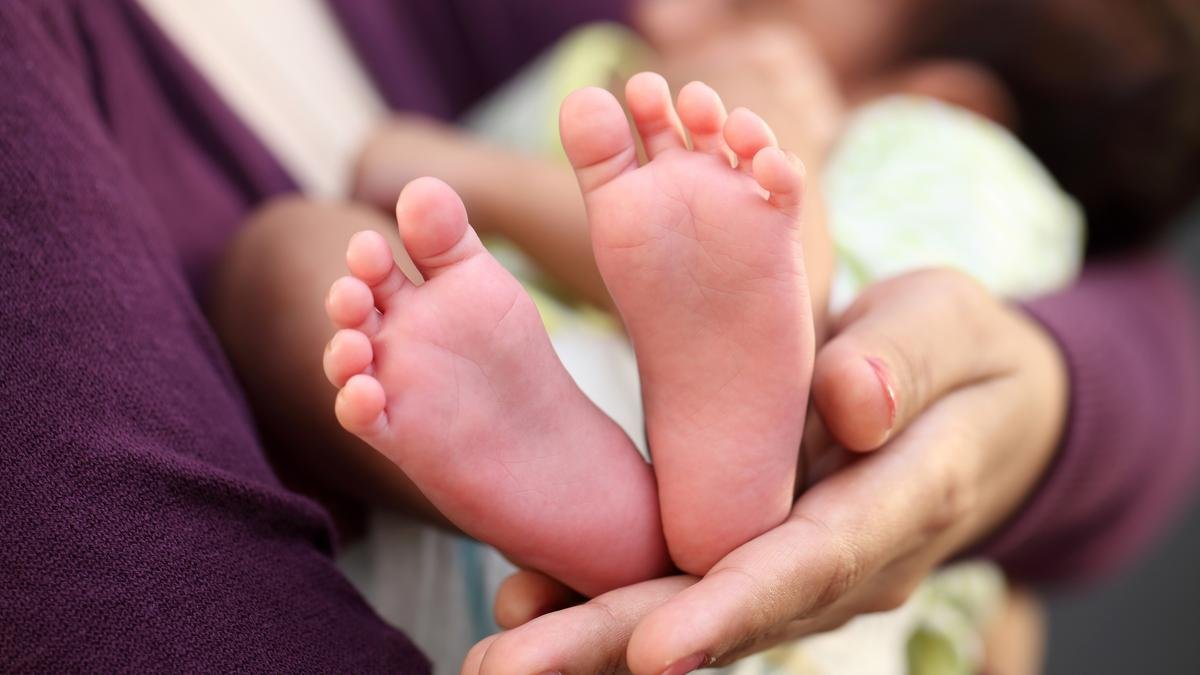
In a distressing incident that highlights the severe impact of poverty, a month-old baby boy was rescued by authorities in Jharkhand after being sold by his parents for ₹50,000. The shocking sale was discovered during a police operation aimed at combating child trafficking in the region, which has seen an alarming increase in such cases amidst financial hardships faced by families.
The rescue operation unfolded in the Dumka district where local police received a tip-off about the sale of the infant. Acting swiftly on the information, officials set up a sting operation that led to the apprehension of the parents involved in this heartbreaking transaction. The child, who had been at the centre of this grim situation, was safely recovered and is currently under the care of child welfare services.
Authorities have expressed their outrage over the incident, lamenting the circumstances that drove the parents to such a desperate act. The father, reportedly, had lost his job during the pandemic and, coupled with the family’s lack of resources, they resorted to selling their child as a means to alleviate their financial struggles. This tragic decision underscores the dire straits many families find themselves in due to economic instability.
The police have stated that the parents will face legal consequences for their actions, which are not only morally reprehensible but also violate child protection laws. The incident has sparked conversations about the need for better support systems for impoverished families, as well as the importance of awareness campaigns to educate communities about the dangers and legal ramifications of child trafficking and exploitation.
Child trafficking remains a grave concern in India, where numerous reports have highlighted the vulnerability of children in economically disadvantaged families. The issue is exacerbated by a lack of access to education and employment opportunities, which often leaves families feeling trapped and desperate. In many cases, parents believe that selling a child can provide immediate financial relief, albeit at a terrible cost to the child’s future.
Government officials and child rights activists have called for more robust measures to prevent such incidents. They advocate for increased awareness initiatives aimed at educating parents about the value of their children and the potential long-term consequences of such actions. Additionally, there is a pressing need for programmes that provide financial assistance and counselling to struggling families, helping them to find alternative solutions to their difficulties without resorting to such extreme measures.
The rescue of the infant has been met with relief from the community and child welfare advocates, who are thankful for the swift action taken by law enforcement. They emphasise the importance of vigilance and community involvement in addressing the root causes of child trafficking. Several NGOs and local organisations are now rallying to provide support not just to the rescued child but also to the family, offering them resources and guidance to help them rebuild their lives.
This incident is a stark reminder of the harsh realities faced by many in society and the urgent need for comprehensive strategies to combat poverty and protect vulnerable children. It serves as a call to action for both government and non-governmental organisations to work collaboratively in ensuring that no child is subjected to such a fate due to economic desperation. The ongoing efforts to rescue and rehabilitate children at risk must be bolstered by initiatives aimed at empowering families, ensuring that they have the means to provide for their children without resorting to inhumane acts.