


































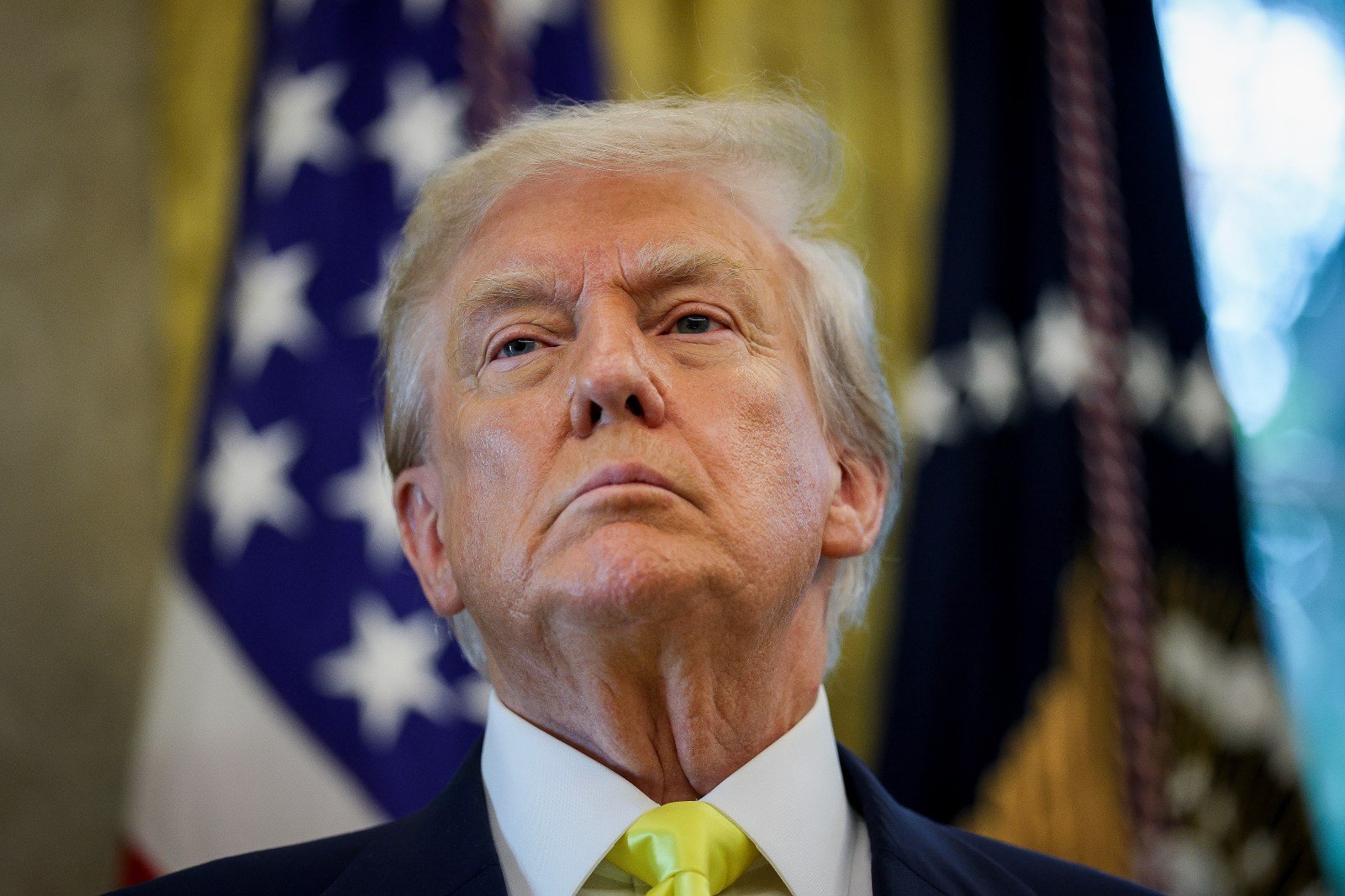
The West Point alumni association’s recent decision to cancel an award ceremony intended to honour Tom Hanks has sparked significant reactions, notably from former President Donald Trump. This cancellation has been framed by Trump as a victory against what he describes as the pervasive influence of ‘woke’ culture in society. Hanks, known for his extensive career in film and television, has also been a vocal supporter of veterans and military service members, which adds a layer of complexity to the situation.
Trump took to his platform, Truth Social, to express his approval of the alumni association’s choice, labelling Hanks as ‘destructive’ and part of a broader cultural movement that he believes undermines traditional values. The actor was slated to receive recognition for his contributions to the arts and his role in highlighting the experiences of veterans through various film projects. Despite this, Trump’s comments suggest a disapproval of Hanks’ perceived alignment with progressive ideals, which the former President argues detracts from the honour associated with the award.
The West Point alumni association’s decision to rescind the award stems from a growing trend where institutions are increasingly scrutinised for their affiliations and the individuals they choose to honour. This incident has reignited discussions about the intersection of celebrity, politics, and military traditions, particularly in the context of an evolving societal landscape where notions of honour and recognition are being critically examined.
Hanks, who has portrayed numerous military characters and has been a supporter of veterans’ causes, has found himself at the centre of this cultural debate. His film credits include iconic roles in projects such as ‘Saving Private Ryan’ and ‘Forrest Gump’, both of which have resonated with audiences for their depiction of American military history and values. However, his advocacy for various social issues, including support for LGBTQ+ rights and his criticism of certain political figures, has led to polarising opinions about him among different segments of the population.
The reaction to the cancellation has been mixed. Supporters of Trump view the decision as a necessary step towards combating what they perceive as an ideological shift that prioritises political correctness over merit. Conversely, critics argue that the move reflects a troubling trend of politicising art and the honouring of individuals based on their political beliefs rather than their contributions to society. This dichotomy illustrates the broader cultural rift that has developed in recent years, where discussions around meritocracy, recognition, and political ideology are increasingly intertwined.
This incident also highlights the challenges faced by institutions like West Point as they navigate the complexities of honouring individuals while remaining sensitive to the diverse perspectives of their alumni and the public. The alumni association’s choice to cancel the ceremony may be viewed as an attempt to distance itself from controversy, yet it also raises questions about the criteria used to determine who is deemed worthy of recognition.
As the discourse surrounding this cancellation continues, it serves as a reminder of the ongoing struggle between traditional values and modern societal expectations. The fallout from this incident is likely to reverberate within both the entertainment industry and military communities, prompting further reflection on how public figures are celebrated and the implications of their political affiliations. The dialogue surrounding Tom Hanks and his recognition by West Point is emblematic of a larger cultural conversation that is far from resolved, as various stakeholders weigh in on the significance of honouring individuals in an increasingly divided society.