

































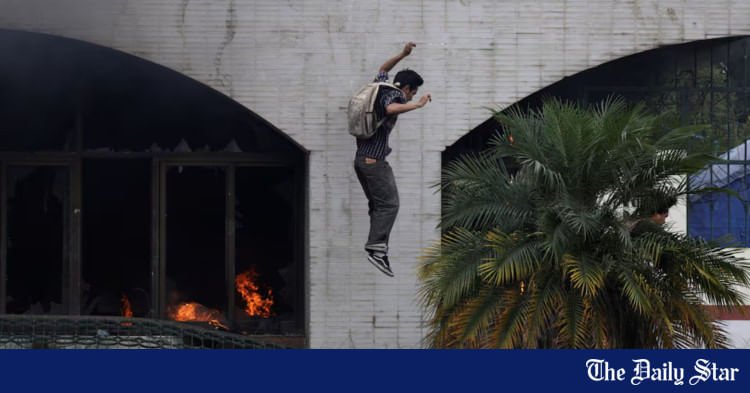
In response to escalating unrest, authorities in Kathmandu have imposed a curfew in various parts of the city, notably in areas surrounding the residences of key government officials, including the President and the Prime Minister. This decision comes amidst growing tensions and protests that have unfolded over recent days, marking a significant moment in Nepal’s political landscape.
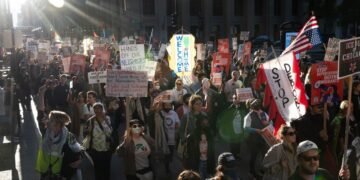
The unrest has been largely driven by public dissatisfaction with the current government, stemming from a combination of economic challenges and perceived failures to address pressing social issues. Demonstrators have taken to the streets, expressing their frustrations and demanding change, which has prompted a robust reaction from law enforcement agencies.
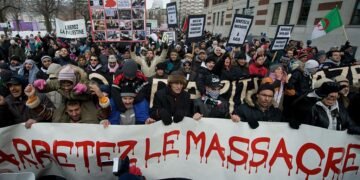
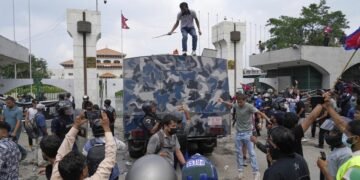
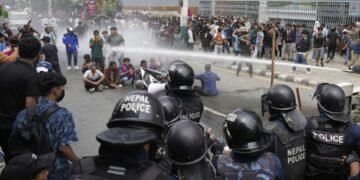
On the day the curfew was announced, clashes erupted as protesters attempted to breach the Parliament building’s premises. Police responded with force, deploying water cannons and tear gas to disperse the crowds. The situation quickly escalated, with numerous individuals sustaining injuries as tensions mounted. The response from the authorities reflects a broader strategy to maintain order amid increasing dissent, particularly in sensitive areas where government officials reside.
As part of the curfew measures, residents in affected areas have been instructed to remain indoors, and movement has been heavily restricted. This decision aims to prevent further gatherings and potential violence as the government seeks to restore calm. The curfew is expected to remain in place until authorities are confident that the situation is under control and that public safety can be assured.
Local reports indicate that frustrations among the populace have been exacerbated by ongoing economic difficulties, including high inflation and a lack of job opportunities. Many citizens feel that their concerns are not being adequately addressed by those in power, leading to a sense of disenfranchisement. This has sparked calls for reforms and greater accountability from government officials.
The political climate in Nepal has been particularly volatile over the past year, with various factions vying for power and influence. The current government, which came into power following a contentious election, has faced criticism for its handling of key issues, including the economy and social welfare. As protests continue, the government must navigate a challenging path to regain public trust and stability.
Historically, Kathmandu has seen similar protests and unrest during times of political upheaval. The city, which is the capital and largest urban area in Nepal, has often been the epicentre of demonstrations against government policies. The current unrest is reminiscent of past movements where citizens rallied for democratic rights and economic justice.
In response to the curfew and the protests, various civil society organisations have voiced their concerns regarding the government’s approach to dissent. Critics argue that heavy-handed tactics employed by the police may exacerbate tensions rather than alleviate them. They call for dialogue between the government and protesters to address the underlying issues causing the unrest.
International observers are closely monitoring the situation, as the stability of Nepal is of significant interest to neighbouring countries and global partners. The geopolitical dynamics in the region could be affected by how the government manages the current crisis. There are concerns that prolonged unrest could lead to greater instability, impacting not only Nepal but also its relations with other nations.
As the curfew remains in effect, many are awaiting the government’s next steps and whether they will engage with protesters to find a resolution to the ongoing crisis. The situation continues to evolve, and the coming days will be critical in determining the trajectory of Nepal’s political landscape.