












































Dozens of Venezuelan migrants deported by the United States to a notorious prison in El Salvador have returned home, alleging severe abuse and human rights violations during their months-long detention. Their stories have triggered a wave of outrage and raised questions about U.S. immigration enforcement strategies and international cooperation under President Donald Trump’s administration.
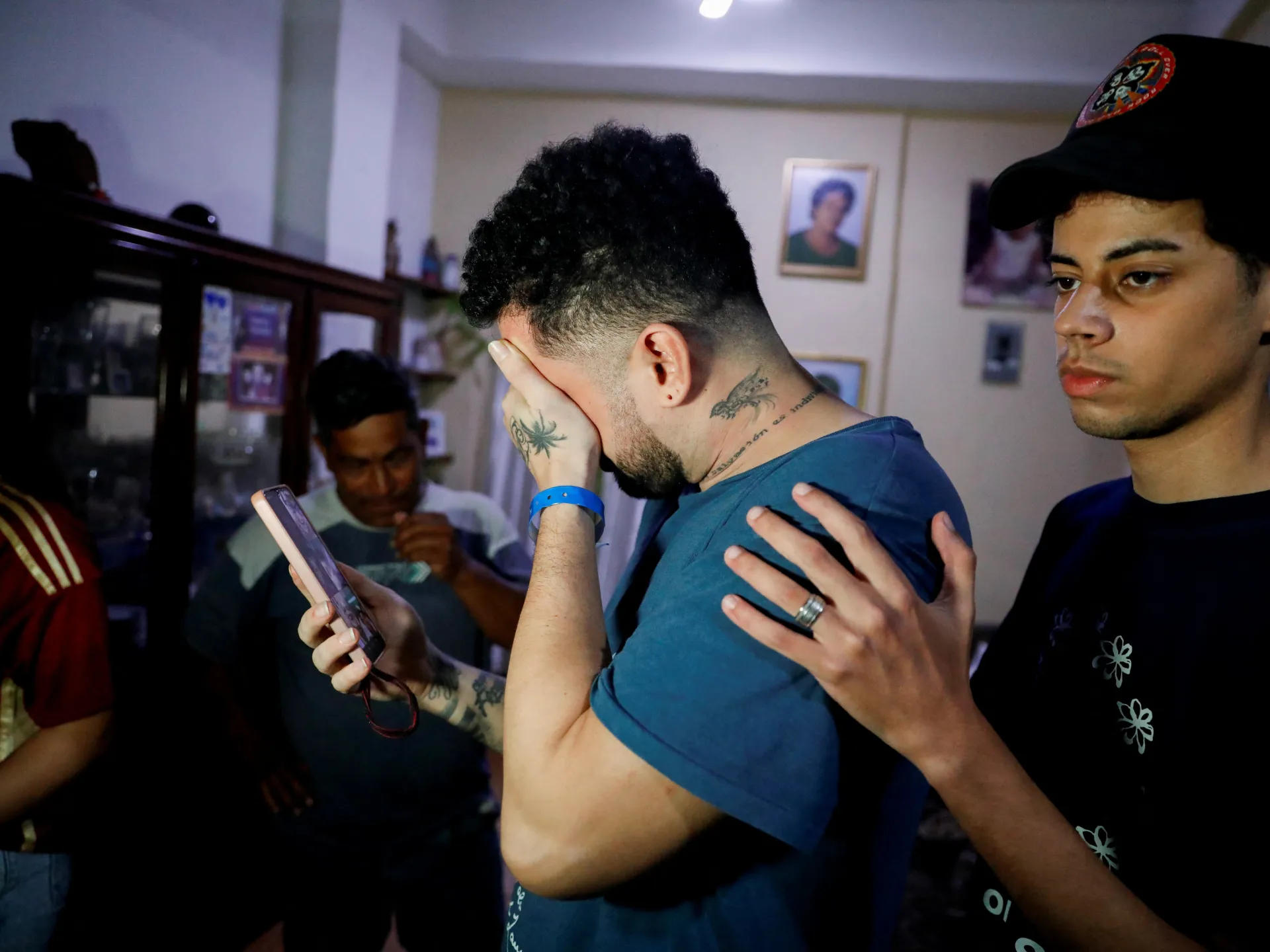
Among the returnees is 33-year-old Carlos Uzcátegui, who reunited with his wife and stepdaughter in the misty mountains of Lobatera, Venezuela, after enduring four harrowing months inside El Salvador’s mega-prison. “They beat us, they kicked us,” Uzcátegui said, lifting his shirt to reveal bruising on his stomach. “Every day, I woke up looking at the bars, wishing I wasn’t there.”
Uzcátegui and 251 other Venezuelans were deported on March 16, 2025, under a deal in which the U.S. paid $6 million to El Salvador’s government to house the men in a maximum-security facility. The Trump administration accused the group of being affiliated with Tren de Aragua, a transnational criminal gang originating in Venezuela. But Venezuelan officials and the migrants themselves say the accusations were baseless and that tattoos or appearance were often the only evidence cited for deportation.
While the migrants were released as part of a prisoner swap between the U.S. and Venezuela — in exchange for 10 U.S. nationals and permanent residents held by President Nicolás Maduro’s government — the ordeal has left deep scars. Upon their return, Venezuelan authorities initially sequestered the men for medical evaluation and background checks.
Interior Minister Diosdado Cabello revealed that only seven of the 252 deportees had any legal cases pending in Venezuela. The rest were deemed to have no criminal record, sparking further criticism of the process by which they were deported and detained.
Many returnees described their prison experience as torture. Videos aired on Venezuelan state media featured testimonies of physical abuse, psychological torment, and even sexual violence. Arturo Suárez, a Caracas-based reggaeton musician who had gained social media attention during his detention, described the prison as “hell.” He said, “We met a lot of innocent people… Those who negotiated with our freedom will answer to God.”
Though the Associated Press has not independently verified these abuse allegations, Venezuela’s Attorney General Tarek William Saab announced an investigation targeting El Salvador’s President Nayib Bukele based on the testimonies.
The accusations against El Salvador come amid global scrutiny of Bukele’s prison system, which has been repeatedly denounced by human rights organizations. His government’s crackdown on gangs has drawn both praise and condemnation for its brutal tactics, including mass arrests and extreme prison conditions, where hundreds have reportedly died or suffered torture.
The Trump administration’s decision to deport migrants to El Salvador as part of its strict immigration policies — often based on allegations of gang affiliation without due process — has intensified the debate over how the U.S. manages asylum claims and international removals.
For Uzcátegui, the migration journey began in March 2024 after Venezuela’s economic crisis forced him to leave. Once earning a steady wage in a local coal mine, he saw his pay cut in half and lost his side income when the family’s small food business collapsed. Like many Venezuelans seeking a better life, he crossed the perilous Darién Gap in Central America, made his way through Mexico, and eventually reached the U.S. border.
After securing an appointment to request asylum via the U.S. government’s CBP One app, Uzcátegui expected to begin a new chapter. Instead, he was detained in Texas, reportedly because authorities deemed his tattoos suspicious. He was then placed on a deportation flight to El Salvador, where he faced months of confinement in what migrants described as inhumane conditions.
“I don’t regret supporting his decision to migrate,” said his wife, Gabriela Mora. “It’s the situation in the country that forces people to make these decisions. If things were better economically, he wouldn’t have needed to leave just to fix our house or help our daughter get a better education.”
The return of these migrants comes amid a broader humanitarian crisis in Venezuela, where economic instability, inflation, and lack of basic services have prompted millions to flee in recent years. While some have been granted asylum or found new lives elsewhere, others have faced deportation, detention, or political complications due to shifting U.S. foreign policy priorities.
As the Venezuelan government uses the situation to highlight its own grievances against Western nations, the fates of these migrants raise difficult questions about accountability, the criminalization of migration, and the consequences of political deals made at the expense of vulnerable individuals.
With calls for further investigations now growing, human rights observers and advocacy groups are urging the international community to closely monitor detention practices related to migration — and to ensure that asylum seekers are not punished based on prejudice, appearance, or geopolitics.