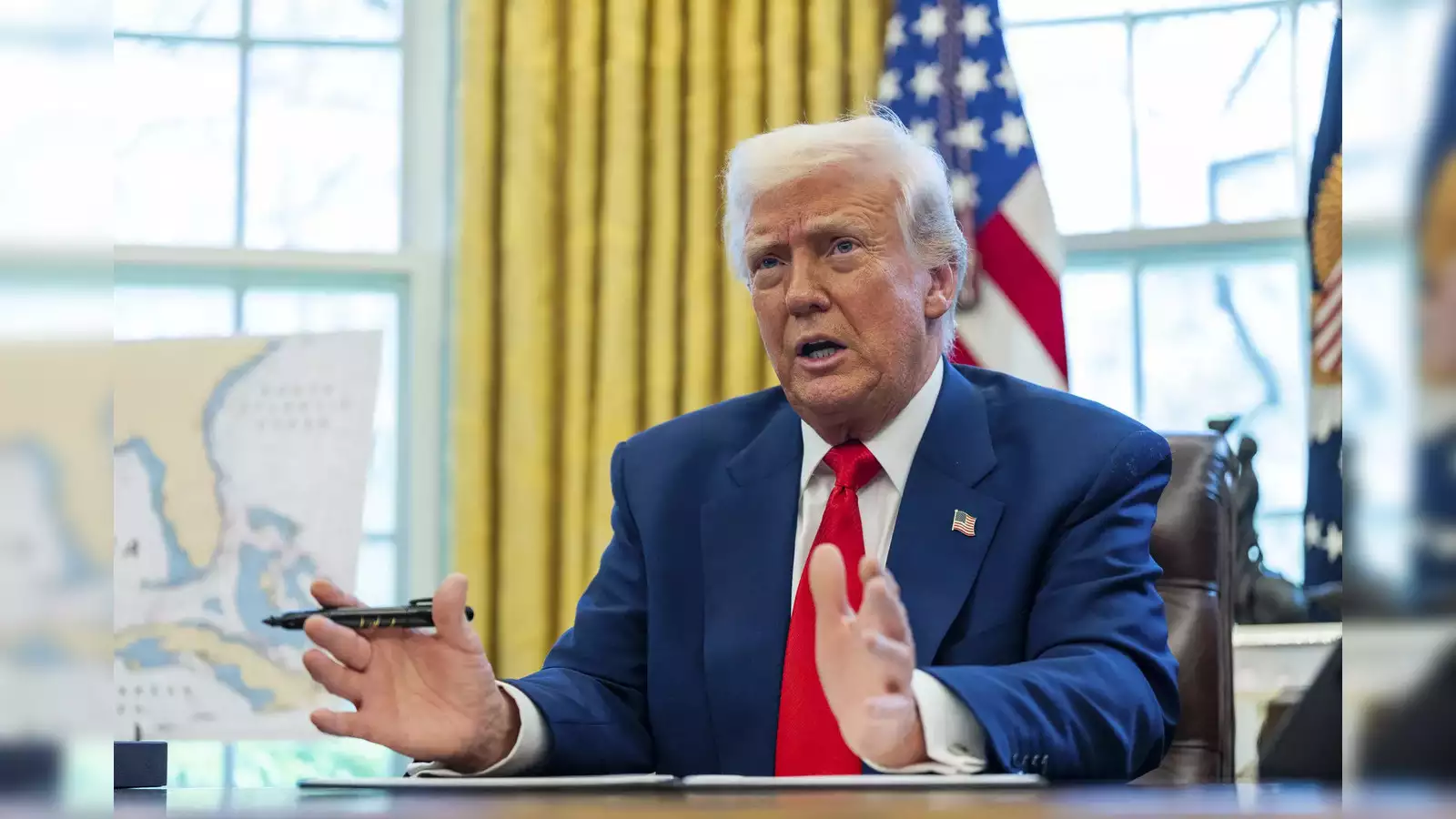























































The Trump administration’s decision to temporarily exempt certain electronic devices from tariffs has drawn sharp criticism and added to the ongoing uncertainty surrounding U.S.-China trade relations. Commerce Secretary Howard Lutnick confirmed that while products like smartphones and laptops are momentarily excluded from broad tariffs, they will soon be subject to separate levies under upcoming regulations focused on the semiconductor industry. These future tariffs, expected within months, are being framed as non-negotiable measures to protect national security.
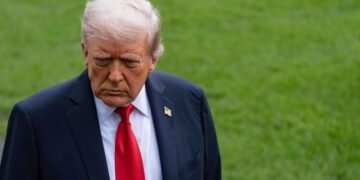
President Donald Trump reinforced this stance by emphasizing that no country — particularly China — is being let off the hook for what he considers unfair trade practices. He denied that any permanent tariff relief had been granted and said electronic products are simply being moved into a different classification with new duties to come.
The initial announcement on Friday that electronics were exempted sparked both relief and confusion. Financial analysts interpreted the development as a positive sign for the tech sector, temporarily easing pressure on major companies. However, critics were quick to question the administration’s inconsistent approach. Senator Elizabeth Warren described the shifting policy as a chaotic and corrupt game, likening it to playing “red light, green light” with international trade and accusing Trump of favoring political donors with selective exemptions.
The trade war has already had a tangible impact on the U.S. economy, rattling markets, dragging down consumer sentiment, and prompting fears of a looming recession. Yet Trump officials insist tariffs will ultimately boost domestic manufacturing and create jobs.
Despite the brief reprieve for electronics, administration officials confirmed that more targeted tariffs are on the way. A formal review is underway to assess the national security implications of semiconductor imports, which could pave the way for additional duties specifically aimed at high-tech sectors.
Several top White House advisers spoke publicly over the weekend to defend the administration’s tariff strategy. They acknowledged the broad scope of trade talks, confirming that discussions with over 130 countries are ongoing, though talks with China remain limited and uncertain. Officials also clarified that there are no current plans to force China to divest from U.S. assets, including U.S. Treasury holdings, despite escalating tensions.
Meanwhile, China’s retaliatory tariffs stand at 125%, a direct response to the U.S. imposing 145% tariffs on Chinese goods. Chinese leadership has vowed to remain firm, even as trade relations continue to deteriorate.
Critics across the political spectrum have raised alarms over the unpredictability of the administration’s trade tactics. Experts argue that sudden changes in tariff policy undermine investor confidence and damage the overall business climate. Economist Larry Summers called the current tariff approach one of the worst economic missteps since World War II, warning it could seriously impact competitiveness, employment, and inflation.
Some conservative economists agree with the principle of tariffs but criticize the lack of clarity and structure in their implementation. Without a consistent framework, they warn, businesses and investors are left guessing about the future.
The possibility of a recession is becoming a growing concern. Analysts at leading financial institutions have raised their risk forecasts, with recession odds rising significantly over the past month. Prominent voices in the financial world describe the current landscape as volatile, warning that missteps in handling trade disputes could lead to economic consequences far worse than a standard downturn.
As the 90-day pause on reciprocal tariffs continues to unfold, uncertainty remains the dominant theme. While some in the administration suggest the tariffs are a necessary step to rebalance trade and enhance national security, others fear the economic damage may outweigh the intended benefits — especially if businesses are unable to plan or adapt in an environment where the rules are constantly shifting.