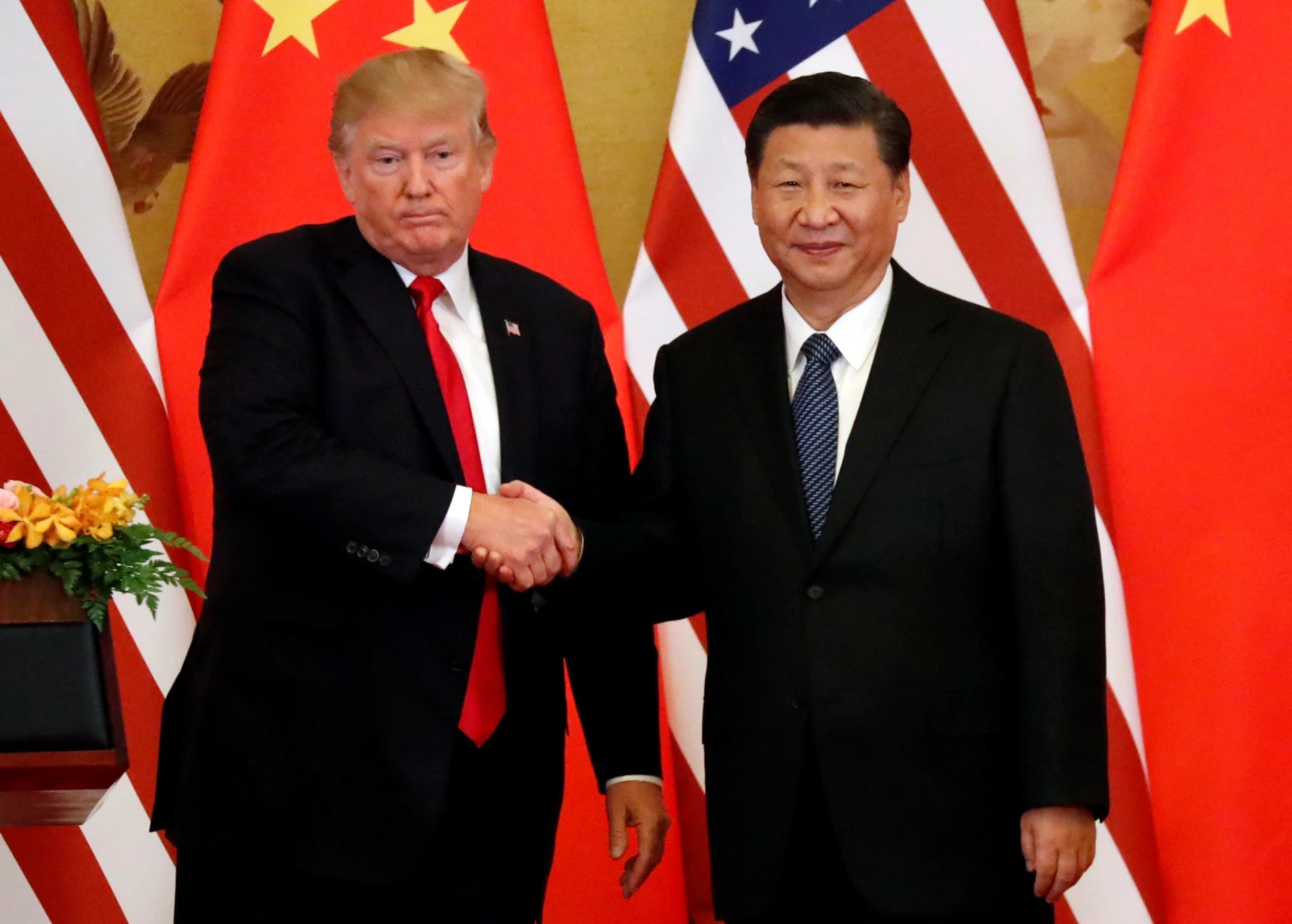






















































In a noticeable shift from previous hardline policies, President Donald Trump’s administration is easing its confrontational posture toward China as he sets the stage for a potential high-level diplomatic visit to Beijing later this year. The recalibration marks a significant change in tone and strategy, with White House insiders signaling a preference for diplomatic engagement over economic escalation, raising concerns among China hawks in Washington.
After years of tense relations marked by tariffs, tech restrictions, and geopolitical sparring, the Trump administration is signaling a more conciliatory approach. Key measures previously aimed at curbing China’s influence—especially in the technology and trade sectors—are being reevaluated or reversed. These developments come as President Trump seeks to pave the way for a historic visit to China, one that could shape the trajectory of U.S.-China relations heading into the 2026 election season.
Senior officials familiar with the discussions say the administration is intentionally dialing down hostilities to encourage cooperation on a range of global issues, including climate change, global supply chain stability, and conflict de-escalation in the South China Sea. While no official date for the visit has been confirmed, diplomatic channels between Washington and Beijing have reportedly intensified in recent weeks, with National Security Adviser Robert O’Brien and Secretary of State Mike Pompeo leading the efforts.
This shift in tone has not gone unnoticed by critics. Lawmakers who have long championed a tough-on-China agenda argue that softening the administration’s stance risks undermining U.S. leverage at a critical geopolitical juncture. “China hasn’t changed. The Communist Party remains committed to authoritarianism and global dominance. We shouldn’t be the ones blinking first,” said Sen. Josh Hawley, a vocal China critic.
A focal point of the internal policy reversal centers on technology exports. Earlier in Trump’s presidency, the administration imposed sweeping restrictions on Chinese companies—most notably Huawei and TikTok—citing national security threats. Now, officials are reviewing those bans and have signaled potential openness to loosening export controls on U.S. chip manufacturers and cloud service providers, many of whom have been impacted by dwindling access to the Chinese market.
The recalibration also appears to extend into military matters. While freedom of navigation operations in contested waters continue, there has been a noticeable reduction in inflammatory rhetoric and military posturing. Analysts suggest this is a strategic move to reduce friction ahead of the planned presidential visit, particularly amid ongoing tensions over Taiwan and growing regional influence from Beijing.
Trump’s upcoming trip—should it proceed—would be his first to China during his current term, and would follow closely on the heels of President Xi Jinping’s high-profile meetings with European and Global South leaders earlier this year. The meeting is expected to focus on trade normalization, regional security, climate partnerships, and efforts to prevent further supply chain disruptions.
Observers also note the domestic political calculations in play. As President Trump eyes reelection, presenting himself as a capable global dealmaker could offer a strategic counterbalance to domestic controversies and foreign policy challenges elsewhere, including in Ukraine and the Middle East. In this light, improved relations with China could serve as a diplomatic victory to present to voters, especially in key manufacturing states reliant on international trade.
Nevertheless, the administration walks a tightrope. Alienating national security hawks and conservative lawmakers could cost Trump crucial support from within his own party. Many Republicans see the prior tough stance on China as one of the administration’s defining achievements and a cornerstone of modern conservative foreign policy.
At a recent closed-door forum hosted by the Hudson Institute, a senior official defended the administration’s evolving approach, saying, “You can be strategic without being adversarial. It’s about engagement with eyes wide open.”
As preparations for the diplomatic trip continue, the world will be watching whether President Trump’s gamble on reengagement pays off—or whether it marks a turning point in an already complex and often volatile relationship between the world’s two largest economies.