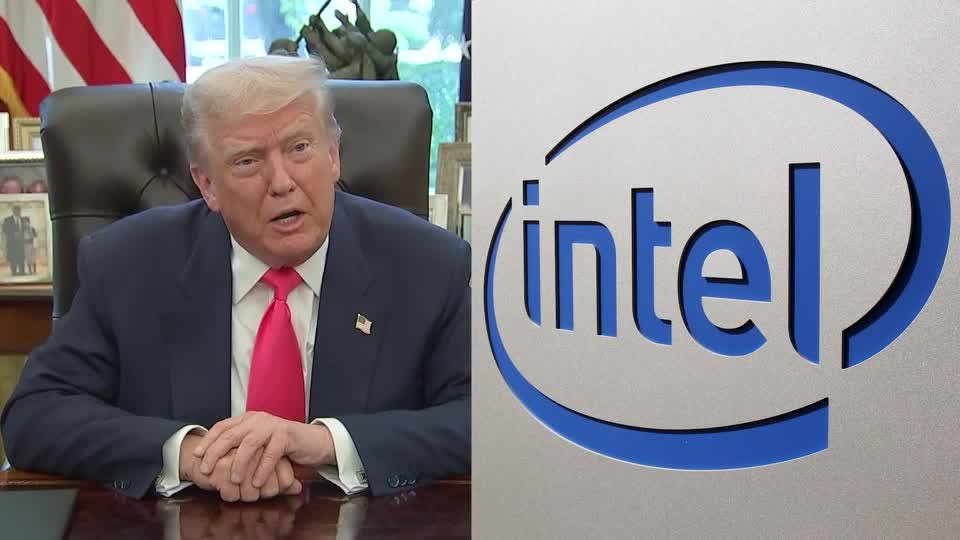





























































The Trump administration is reportedly in discussions regarding a potential investment in Intel, one of the leading semiconductor manufacturers in the United States. This move, which could see the government acquire a 10 per cent stake in the company, comes as Intel faces significant challenges in its chip manufacturing operations, particularly in securing a stable customer base.
Intel, headquartered in Santa Clara, California, has been a dominant player in the semiconductor industry for decades. However, recent years have seen increased competition from other chipmakers, particularly in Asia, which has impacted Intel’s market position. The company’s struggles have been exacerbated by supply chain disruptions and a global semiconductor shortage that has affected various industries, from automotive to consumer electronics.
The potential government investment is part of a broader strategy by the Trump administration to bolster domestic manufacturing and reduce reliance on foreign supply chains. The semiconductor sector is critical not only for consumer electronics but also for national security, as chips are integral to defence systems and other sensitive technologies.
The administration’s interest in Intel aligns with its commitment to revitalising American manufacturing and ensuring that the United States remains a leader in technology innovation. By investing in Intel, the government could provide the company with the necessary capital to enhance its manufacturing capabilities and expand its production capacity, which is essential given the increasing demand for semiconductors worldwide.
The global semiconductor market has been under immense pressure due to a surge in demand, particularly during the COVID-19 pandemic, when remote work and online services became the norm. This demand has led to shortages that have impacted various sectors, highlighting the importance of a robust domestic semiconductor industry.
Intel’s difficulties in attracting customers have raised concerns about its competitive edge. The company has been working to accelerate its manufacturing processes and introduce new technologies, but it faces stiff competition from rivals such as AMD and Nvidia, who have made significant strides in recent years. An investment from the government could provide Intel with the resources needed to innovate and regain its market share.
As discussions continue, the implications of a government stake in Intel could extend beyond the company itself. It may set a precedent for increased government involvement in the private sector, particularly in industries deemed vital for national interests. The outcome of these talks will be closely monitored by industry experts and stakeholders, who are keen to see how it will affect the broader landscape of semiconductor manufacturing in the United States.