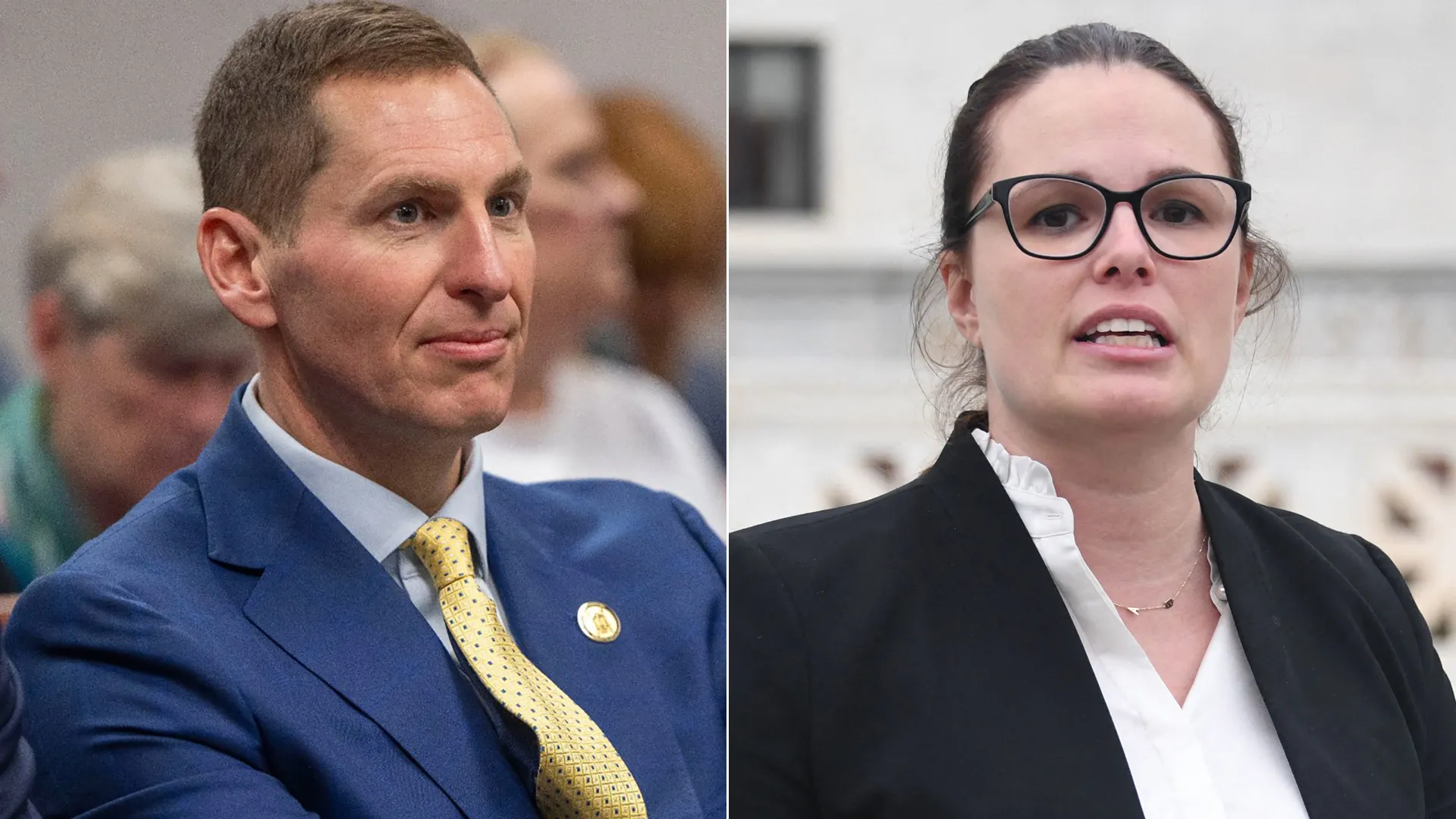


















































A new ruling by the North Carolina Supreme Court has cast serious doubt over the outcome of last November’s state Supreme Court race, potentially upending Democratic Justice Allison Riggs’ narrow 734-vote victory.
In a 4-2 decision issued Friday, the high court ordered that more than 60,000 contested ballots in the race be included in the count. At the same time, the justices upheld a lower court’s disqualification of several hundred other ballots and added a new requirement: roughly 5,000 military and overseas voters now have 30 days to verify their identities, or their ballots could be tossed out.
The ruling could tip the scales in the still-unresolved judicial race, which has remained in legal limbo for months. Justice Riggs, who won by a slim margin over Republican challenger Jefferson Griffin, has recused herself from the case. Griffin, an appeals court judge, has not conceded and filed widespread legal challenges contesting tens of thousands of ballots shortly after the election.
Back in January, the state Supreme Court halted certification of the results, leading to ongoing litigation and uncertainty over who will ultimately secure the seat. With a 5-2 Republican majority on the court, the case has taken on even more political weight.
Though the court’s majority agreed that the bulk of challenged ballots should be counted, two justices—Democrat Anita Earls and Republican Richard Dietz—penned sharp dissents on other aspects of the ruling. Dietz criticized the decision for setting a dangerous precedent, warning that retroactively altering election rules could erode trust in democratic processes.
“By every measure, this is the most impactful election-related court decision our state has seen in decades,” Dietz wrote.
Following the ruling, Riggs filed a motion late Friday in federal court seeking to halt the implementation of the decision temporarily. In a statement, she expressed concern about the potential disenfranchisement of overseas voters, especially members of the military.
“As the daughter of a 30-year military veteran who served overseas, I find it unacceptable that the Court would selectively undermine the voting rights of North Carolinians serving our country,” Riggs said.
The legal battle continues to unfold as the court’s decision opens the door for a potential reversal of the election outcome. All eyes now turn to how the federal court responds to Riggs’ motion, which could decide the fate of one of the closest judicial races in state history.