



















































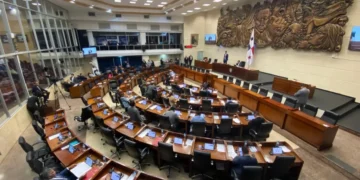









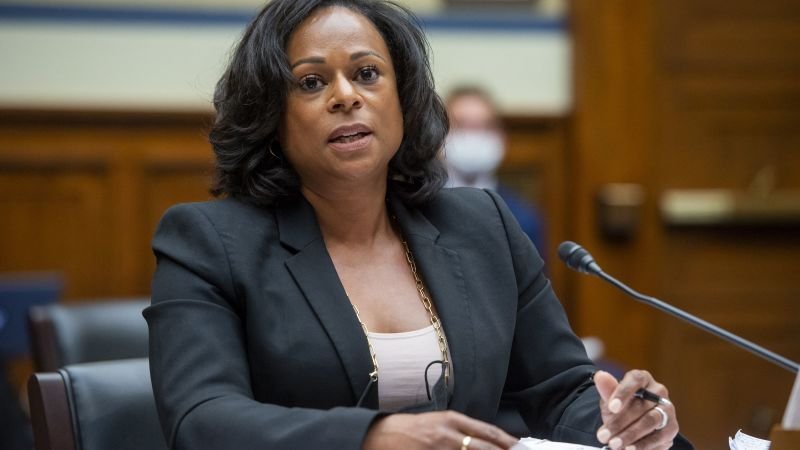
In a significant display of defiance, Democratic Texas state Representative Nicole Collier has chosen to spend the night on the floor of the Texas House of Representatives. This act of protest follows her refusal to comply with a request from Republican lawmakers that she be placed under the surveillance of the state Department of Public Safety (DPS).
Collier’s decision to remain in the House chamber overnight is emblematic of the growing tensions between Democrats and Republicans in Texas, particularly in the context of ongoing debates surrounding law enforcement and public safety. The request for a law enforcement escort was reportedly made in response to concerns over the safety of lawmakers amid a politically charged atmosphere.
The background to this incident is rooted in the broader political climate in Texas, where partisan divisions have become increasingly pronounced. Issues such as gun control, voting rights, and police funding have sparked heated discussions, often leading to confrontations between the two parties. The call for heightened security measures, including the involvement of the DPS, reflects the heightened anxiety that some lawmakers feel in the current political environment.
Collier’s protest highlights the broader implications of these security measures, raising questions about the autonomy of lawmakers and the potential for overreach by state authorities. By choosing to remain on the House floor, she is not only standing her ground on this specific issue but also signalling her opposition to what she perceives as an attempt to curtail legislative independence.
The decision to spend the night in the chamber, while unusual, is not without precedent in the realm of political protests. Lawmakers across the United States have employed various forms of civil disobedience to express their dissent, particularly when they believe that their rights or the rights of their constituents are being undermined. In this instance, Collier’s actions serve to draw attention to the ongoing struggles faced by minority voices within the Texas legislature.
As lawmakers continue to navigate contentious issues, the incident underscores the importance of dialogue and collaboration in governance. While tensions may run high, the ability to engage in constructive discussions is vital for the functioning of the democratic process. The situation in Texas serves as a reminder of the complexities involved in balancing security concerns with the principles of legislative independence and accountability.
In the coming days, it remains to be seen how this protest will influence the ongoing legislative agenda in Texas. The ramifications could extend beyond the immediate context, potentially shaping the interactions between lawmakers as they address critical issues facing the state. As the political landscape continues to evolve, the actions of individuals like Collier will likely resonate with constituents who are closely monitoring the developments within their government.
The incident serves as a poignant reminder of the challenges that lawmakers face in representing their constituents while navigating a rapidly changing political environment. The struggle for balance between safety and legislative freedom is a theme that resonates not only in Texas but across the United States, as lawmakers grapple with the implications of their decisions in an era marked by increased political polarisation.