


















































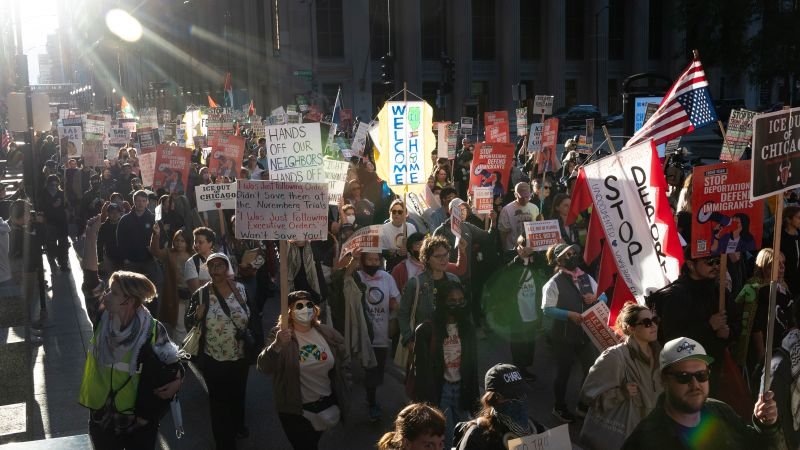
As the world turns its attention to various pressing issues, several significant events are unfolding that merit closer examination. On September 8, the spotlight is on a series of ICE (Immigration and Customs Enforcement) raids across the United States, which are raising concerns regarding immigration policies and their implications for communities. These operations, part of the ongoing enforcement activities by federal agencies, are drawing attention from activists and local leaders, who argue that such actions exacerbate fear among immigrant populations and disrupt family structures. Critics of the raids contend that they disproportionately target vulnerable groups and raise ethical questions about the treatment of individuals during these enforcement actions.
In a separate but equally alarming development, a violent attack in Jerusalem has left many shaken. The incident, which reportedly involved armed assailants, reflects the ongoing tensions in the region. This attack adds to the complexity of the Israeli-Palestinian conflict, which has seen a resurgence of violence in recent months. Authorities are investigating the motives behind the attack and have heightened security measures in response. Local residents and international observers are closely monitoring the situation, as it could have broader implications for regional stability and peace efforts.
Meanwhile, the Powerball lottery is generating significant excitement as the jackpot has soared to a staggering amount, encouraging many to try their luck. With the jackpot reaching record levels, ticket sales have surged, and the anticipation surrounding the next draw has captivated millions. Lottery officials are noting an increase in participation, with players hoping for a life-changing windfall. This spike in interest not only highlights the allure of lottery games but also reflects broader economic sentiments as individuals seek financial relief through chance.
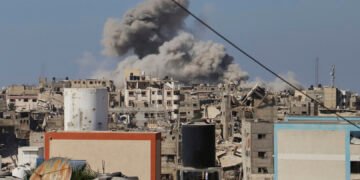
On the international front, the ongoing conflict between Russia and Ukraine continues to evolve. Recent developments indicate that military actions and diplomatic efforts are both intensifying. The situation remains fluid, with both sides engaged in strategic manoeuvres that have implications for global security. Analysts are closely watching the dynamics of the conflict, as shifts in military strategy or negotiations could alter the balance of power in the region. The international community is grappling with the humanitarian consequences of the war, which has led to significant displacement and suffering among civilians caught in the crossfire.
In light of these geopolitical tensions, discussions surrounding tariffs and trade agreements are also coming to the fore. As nations navigate the complexities of international trade, tariffs have become a contentious issue. Recent policy changes are prompting businesses and economists to reassess their strategies. The impact of tariffs on both domestic industries and international relations is a subject of heated debate, with various stakeholders voicing their concerns over potential economic repercussions. The interplay between trade policies and diplomatic relations is increasingly critical, as nations seek to protect their interests while maintaining cooperative ties.
As these events unfold, they underscore the interconnected nature of contemporary issues, where local actions resonate on a global scale. From immigration enforcement to regional conflicts and economic strategies, each development contributes to a broader narrative that shapes our understanding of current affairs. Engaging with these stories not only informs public opinion but also encourages discourse on how societies respond to challenges that cross borders and impact lives.