
















































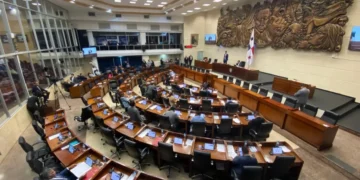









Sir Chris Bryant, a senior Labour MP and outspoken advocate for human rights, has spoken out strongly against recent allegations of sexual misconduct involving a former National Youth Theatre (NYT) boss. His remarks, which described the reported behaviors as “appallingly despicable,” have amplified the growing national conversation surrounding abuse, institutional accountability, and the urgent need for safeguarding reform across public and cultural sectors.
Bryant, who chairs the Standards Committee in Parliament, made his comments amid a series of disturbing revelations about misconduct within organisations that work closely with young people. The allegations have triggered widespread media coverage and public concern, drawing attention to systemic vulnerabilities in safeguarding practices across arts and education institutions.
Speaking to reporters, Bryant said, “It is absolutely vital that we stand with victims, create safe environments for them to come forward, and ensure that abusers—regardless of their position, profile, or past achievements—are held fully accountable. No one is above scrutiny.”
The accused individual, whose tenure at the NYT spanned a period in which the organisation became a key talent incubator for the UK’s performing arts sector, has been the subject of multiple accusations by former students and staff. Many of the claims, which date back years, allege inappropriate behavior, abuse of power, and a failure by senior leadership to act decisively on early warnings.
The fallout from the scandal has prompted urgent calls for systemic change, particularly in organisations that work with minors or young adults. Critics argue that such institutions, while often seen as creative havens, have historically lacked robust internal oversight and transparent complaint mechanisms, leaving vulnerable individuals exposed to potential exploitation.
Bryant’s intervention adds political weight to the growing demand for accountability and reform. In his statement, he urged both the government and the private sector to implement stronger safeguarding protocols, better whistleblower protections, and a cultural shift that places the safety and dignity of individuals above institutional reputations.
“The structures and cultures that allow abuse to go unchecked must be dismantled. We need a zero-tolerance approach—not only to abuse itself but to the complicit silence that so often surrounds it,” Bryant stated.
This is not the first time Sir Chris Bryant has taken a firm public stance on matters of abuse and institutional failure. Over his parliamentary career, he has been a consistent voice advocating for transparency, integrity in public life, and justice for victims of abuse, including within the church, the media, and political circles.
His comments come at a time when the UK continues to grapple with the legacy of institutional abuse scandals across various sectors. From independent schools and youth sports clubs to religious bodies and entertainment companies, there has been a growing recognition of the need to empower survivors, support independent investigations, and modernise outdated safeguarding structures.
In the wake of the NYT allegations, cultural institutions are under renewed pressure to revisit their internal policies, undergo external audits, and provide clear, confidential reporting channels for victims and witnesses. Government ministers, too, are being urged to review current safeguarding legislation and funding support for training and compliance.
As the investigation into the National Youth Theatre case continues, attention is also turning toward broader questions about the culture of silence and the power imbalances that can shield perpetrators from accountability. Campaigners argue that lasting change will only come when safeguarding is embedded into the core values and everyday practices of all institutions—not simply a checkbox or a reactive measure.
For many survivors and advocates, the words of public figures like Sir Chris Bryant provide crucial validation and momentum for systemic change. His message is clear: protecting the vulnerable is not optional—it is a moral and civic duty.