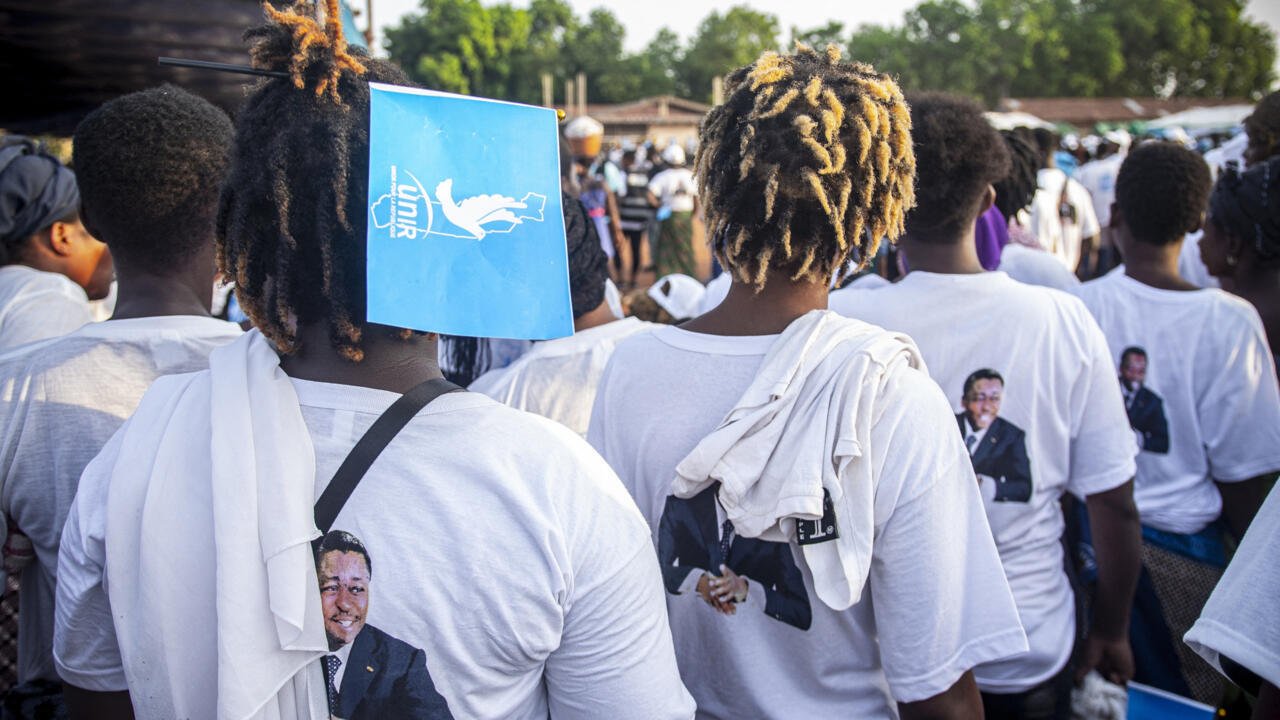










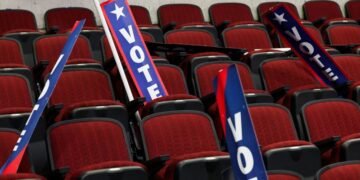















The Union for the Republic (UNIR), the ruling party of long-serving Togolese President Faure Gnassingbé, has emerged as the dominant force in the country’s latest municipal elections, securing over 75% of the vote, according to preliminary results released this week.
The municipal elections, held last week, marked the first local vote since a controversial constitutional reform was passed earlier this year. That reform, critics argue, could enable President Gnassingbé—who has already been in power since 2005—to potentially remain in office for life.
According to initial tallies, UNIR won 1,150 local council seats, dwarfing the results of opposition parties. The National Alliance for Change (ANC) secured just 51 seats, while the Union of Forces for Change (UFC) managed 38 seats.
The ruling party’s sweeping victory comes against a backdrop of low voter turnout and escalating political unease. Observers reported that many polling stations, particularly in the capital Lomé, were sparsely attended—an outcome attributed to recent repression of anti-government protests.
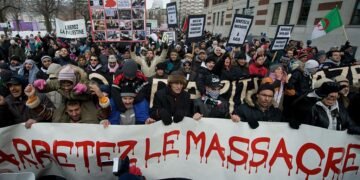
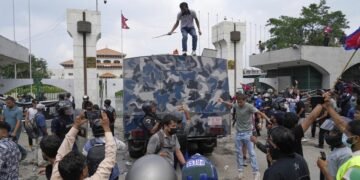
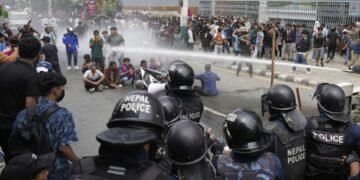
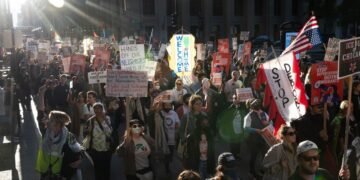
Just weeks before the vote, large-scale demonstrations erupted across Togo in response to the newly adopted constitutional reforms. The changes allow the president to restart the clock on term limits under a new “Fifth Republic” framework, potentially extending his rule beyond 2030.
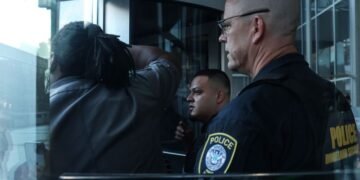
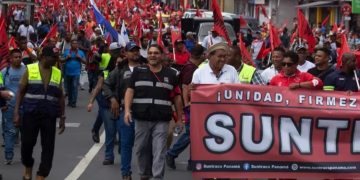
Security forces reportedly cracked down on protesters in late June, triggering criticism from rights groups and opposition leaders, who denounced the arrests and use of force as politically motivated.
Togo’s opposition parties now face a tight deadline to contest the results. Under electoral regulations, they have five days from the official publication of preliminary results to file appeals or raise formal objections with the electoral commission.
Although the opposition has accused the ruling party of consolidating power through electoral manipulation and judicial reforms, there has been little traction in pushing back against Gnassingbé’s political dominance in recent years.
Political analyst Kossi Gbétché, based in Lomé, said the current political climate makes it “extremely difficult” for any meaningful challenge to UNIR’s hold on the country.
“The constitutional reform changed the rules mid-game. And when you add the security pressure on opposition groups and the courts’ alignment with the ruling elite, the system is rigged in all but name,” he said.
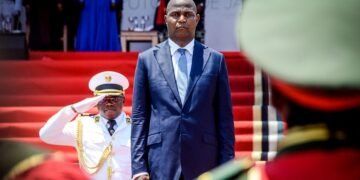
President Faure Gnassingbé took power following the death of his father, Gnassingbé Eyadéma, who ruled Togo for 38 years. Faure’s presidency has now spanned two decades, making him one of the longest-serving leaders in West Africa. Despite holding multiple elections, his administration has consistently faced accusations of authoritarianism, media suppression, and electoral manipulation.
The recent constitutional change is widely viewed as a strategic move to further entrench his rule. While government officials claim the reform is meant to modernize Togo’s institutions, opposition groups view it as a veiled coup against democracy.
While the municipal elections are not directly tied to presidential succession, they are widely seen as a bellwether for the strength of Gnassingbé’s political apparatus at the grassroots level. With such overwhelming control of local councils, the ruling party is poised to further consolidate power ahead of national elections expected in the coming years.
As of now, the Independent National Electoral Commission (CENI) has not announced when final, certified results will be published. However, the early outcome suggests a continuing pattern: a dominant executive, fragmented opposition, and deep public skepticism over the state of democratic governance in Togo.