




























































**Heirs of Thai Hotel Group Dusit Thani Aim to Oust Brother Amidst Family Dispute**
BANGKOK — A significant development has emerged within Thailand’s prominent hotel conglomerate, Dusit Thani, as a proposal has been put forth to remove Chanin Donavanik, the Acting Chairman, from the board of directors. This move has been initiated by the family office of the late founder, adding a new chapter to an ongoing family feud that could potentially alter the control dynamics of the company.
Dusit Thani, a name synonymous with luxury hospitality in Thailand, was founded by Thanpuying Chanut Piyaoui in 1948. Over the decades, it has grown into one of the country’s leading hotel groups, expanding its reach beyond borders with properties in the Philippines, the Maldives, and the United Arab Emirates, among others. The company has long been a family-run enterprise, with Chanin Donavanik, one of Chanut’s three children, playing a pivotal role in its expansion and modernisation.
The current dispute centres around a proposal from the family office to remove Chanin from his position on the board. This proposal is not merely an internal family matter but carries significant implications for the company’s future. If successful, it could pave the way for the Central Group, a powerful Thai retail and property conglomerate, to gain greater influence over Dusit Thani.
The Central Group, founded by the Chirathivat family, is one of Thailand’s largest and most diversified business conglomerates, with interests ranging from retail to real estate and hospitality. It has been expanding its footprint in the hospitality sector, and a potential increase in influence over Dusit Thani would align with its strategic goals.
Chanin Donavanik, who has been a prominent figure in the Thai hospitality industry, expressed concerns that his removal could lead to a shift in control towards the Central Group. “This move is not just about family dynamics; it has broader implications for the company’s direction and independence,” he stated in a recent interview.
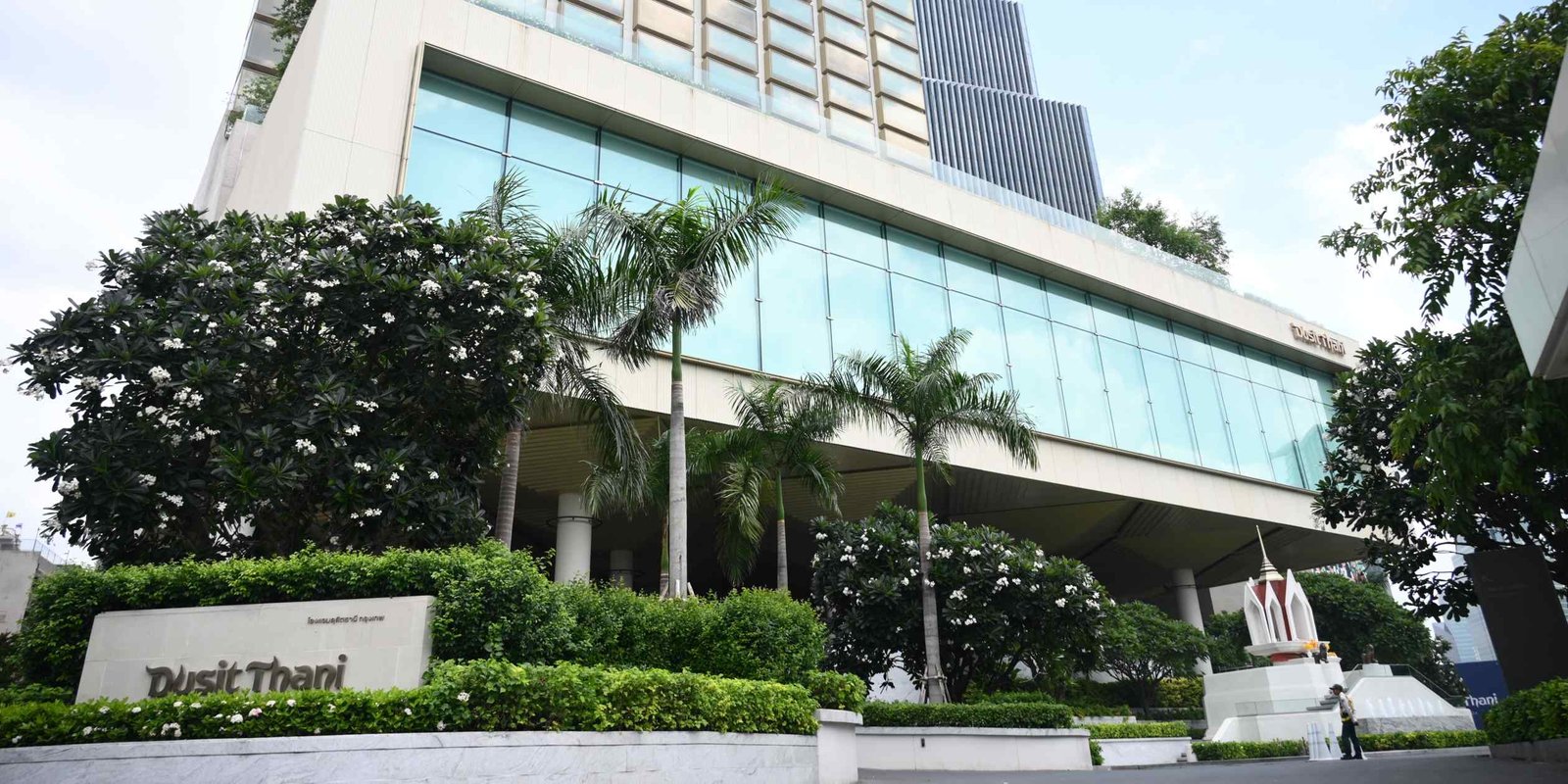
The proposal to remove Chanin comes at a time when Dusit Thani is undergoing significant changes. The company is in the midst of a major redevelopment project at its flagship property, the Dusit Thani Bangkok. This project, a joint venture with Central Pattana, a subsidiary of the Central Group, involves transforming the historic hotel into a mixed-use development that will include a new hotel, residences, retail spaces, and offices. The redevelopment is part of Dusit Thani’s strategy to modernise its offerings and appeal to a new generation of travellers.
The family feud over control of the board is not an isolated incident in the Thai business landscape. Family-run businesses are a common feature in Thailand, and disputes over succession and control are not uncommon. Such conflicts can have significant repercussions, not only for the companies involved but also for the broader business environment.
In the case of Dusit Thani, the outcome of this dispute could impact its strategic direction, particularly its international expansion plans. The company has been actively pursuing growth opportunities in key markets such as China and India, aiming to capitalise on the burgeoning middle class and increasing demand for luxury travel experiences in these regions.
The potential shift in control also raises questions about the future of Dusit Thani’s partnerships and collaborations. The company’s alliance with Central Pattana for the redevelopment of Dusit Thani Bangkok is a critical component of its growth strategy. A change in leadership could influence the dynamics of this partnership and affect the project’s progress.
Industry analysts have been closely monitoring the situation, noting that the outcome could set a precedent for other family-run businesses in Thailand. “This is a high-stakes situation that could redefine the governance model for family-owned enterprises in the country,” said a Bangkok-based analyst.
As the situation unfolds, stakeholders, including investors, employees, and partners, are watching closely. The resolution of this dispute will not only determine the future leadership of Dusit Thani but also its strategic trajectory in an increasingly competitive hospitality market.
The Donavanik family’s internal conflict reflects broader challenges faced by family-owned businesses in balancing tradition with modern governance practices. As these businesses grow and evolve, the need for clear succession planning and professional management becomes increasingly critical.
For Dusit Thani, a company with a rich heritage and a strong brand, the current situation represents a pivotal moment. The decisions made in the coming weeks will likely shape its path for years to come, influencing its role in the global hospitality industry and its legacy in Thailand’s business history.
The unfolding drama within Dusit Thani serves as a reminder of the complex interplay between family dynamics and corporate governance, a theme that resonates across many family-owned enterprises worldwide. As the company navigates this challenging period, its ability to adapt and innovate will be crucial in maintaining its position as a leader in the hospitality sector.