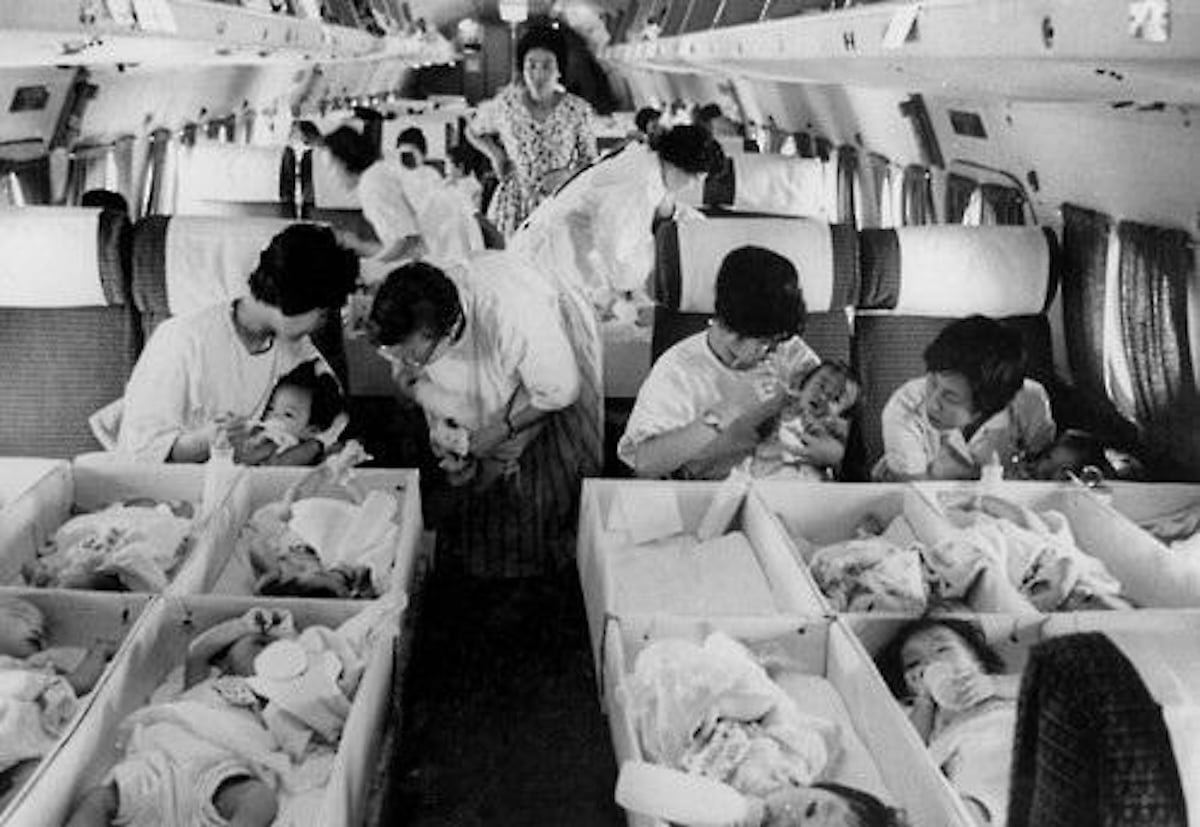























































Starting July 19, South Korea will officially overhaul its adoption system, ending more than 70 years of private-sector dominance and shifting full responsibility to the state. This transformation marks a historic moment for a nation that once sent more children overseas for adoption than almost any other country in the world.
Since the aftermath of the Korean War, South Korea has seen more than 170,000 children adopted abroad—some experts say the true number could be closer to 250,000 when including undocumented cases. For decades, the country was often labeled the world’s leading “baby exporter,” a reputation now subject to intense reflection. Researchers and adoptee advocates have revealed troubling stories of systemic failures and unethical practices. Cases emerged where hospitals misled mothers into believing their newborns had died, only to transfer them to adoption agencies. Official records were often forged, labeling children as “abandoned” despite known family ties. By the late 1980s, private agencies were sourcing the majority of infants directly from hospitals, raising concerns about coercion and profit motives.
The newly reformed system is built on two pieces of legislation passed in 2023: the Special Act on Domestic Adoption and the Act on Intercountry Adoption. These laws empower the Ministry of Health and Welfare as the central authority overseeing adoption policy. Day-to-day responsibilities now fall to local governments and the National Center for the Rights of the Child (NCRC), with all procedures guided by international standards under the Hague Convention, which South Korea is in the process of ratifying. The goal is to prioritize the child’s best interests, increase transparency, and ensure proper oversight.
Domestic adoptions will now involve child identification by local authorities, application through the NCRC, and evaluations conducted by certified agencies. Matches will be reviewed and approved by the ministry’s adoption policy committee. Courts will continue to issue final approvals and can also now grant temporary custody to support early bonding. For international adoptions, the government becomes the official liaison with foreign nations, overseeing the screening of adoptive families and monitoring child welfare after placement.
A major development is the inclusion of children’s voices in the adoption process. Courts must now consider adoptees’ opinions regardless of age, replacing the previous policy that limited this to children over 13. This represents a significant shift toward acknowledging children’s rights and agency in life-changing decisions.
Private adoption agencies, which once held exclusive authority, will no longer play a leading role. While some may apply to serve as outsourced social welfare institutions, they will be treated as general service providers without special privileges tied to their previous functions.
The emotional impact of the reform is profound. For many adoptees, the shift represents not just policy change, but long-overdue recognition of past injustices. One overseas adoptee expressed deep concern about the safety and transparency of transferring adoption records. These documents—often the only link to biological families—are seen as vital to understanding personal identity. Yet, during the transition, access to files has been restricted, causing distress within the adoptee community. Some worry that crucial records might be lost, damaged, or inadequately archived.
As of mid-2025, only a few major agencies have transferred their documents to the state. Many child welfare institutions still hold unreleased records, and even those transferred are now stored temporarily in a converted logistics warehouse near Goyang, which critics say lacks proper access and climate control. Although the NCRC requested 2.4 billion won to build a secure archival facility, only 1.78 billion won was approved. The government has promised to establish a permanent national archive, but no timeline has been confirmed.
Current laws also tightly restrict access to information about birth parents, limiting it to cases where parents are deceased and the request meets specific legal or medical criteria. A constitutional review is underway to determine whether such limits infringe on adoptees’ rights to know their origins.
Reform advocates stress that systemic change must also address why children are placed for adoption in the first place. Experts argue that adoption should be a last resort, not the default solution. Hellen Noh, a leading voice in adoption research, says more support is needed for vulnerable families, including single parents, low-income households, and disabled caregivers. She criticizes the longstanding social stigma in Korea that discourages single mothers from raising their children and urges a shift in societal attitudes.
South Korea’s long-awaited ratification of the Hague Convention, expected to take effect later this year, reflects a broader commitment to ethical adoption practices and child protection. First adopted internationally in 1993, the convention aims to prevent child trafficking and ensure that intercountry adoptions are transparent and in the best interests of the child. Korea initially signed the treaty in 2013 but was unable to ratify it until domestic legal reforms were passed in 2023.
Despite the landmark nature of the reform, challenges remain. Legislative gaps, funding limitations, and a lack of public awareness threaten to delay full implementation. Moreover, the emotional weight of the issue continues to bear down on the thousands of adoptees still searching for their roots and recognition. As the government takes full control, its responsibility now lies not only in overseeing adoption but also in healing decades of damage and ensuring that no child is again lost in the system.