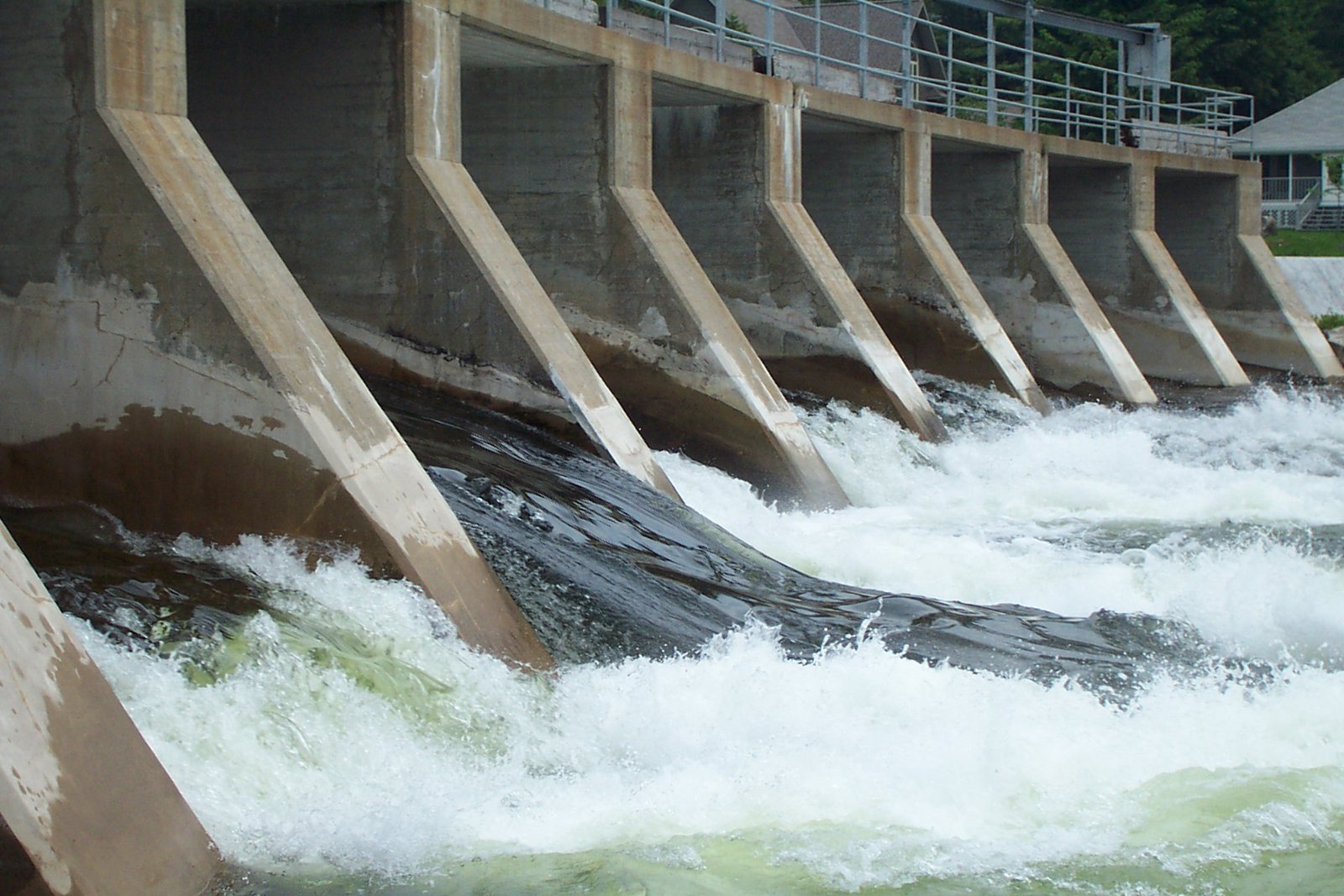


























































Tensions between North and South Korea have taken a hydrological turn as North Korea released water from the Hwanggang Dam without notifying its southern neighbor — a move that has raised fresh concerns over flood safety and inter-Korean trust.
South Korea’s Ministry of Environment confirmed on Friday that satellite images captured around midday showed a noticeable widening of the Imjin River south of the Hwanggang Dam. This visual evidence suggests that water was being discharged upstream by North Korean authorities. Compounding the suspicion, South Korean water monitoring systems recorded a sharp increase in river levels at Pilseung Bridge, located near the northernmost edge of the Imjin River within South Korean territory.
Between 4:20 p.m. and 7:20 p.m. on Friday, the river level surged from 49 centimeters to 70 centimeters — a significant jump. According to South Korean safety protocols, a water level of 1 meter would trigger an immediate evacuation of all civilians and visitors from the riverbanks and surrounding areas.
This isn’t the first time Pyongyang has unilaterally released water from its dams during the rainy season, but the lack of coordination continues to endanger South Korean lives. In a tragic incident in September 2009, a sudden flood caused by an unannounced release from Hwanggang Dam swept away six South Koreans, leaving several either dead or missing.
Following the 2009 tragedy, North Korea agreed to notify the South in advance of any planned water discharges, especially during the vulnerable monsoon season. Initially, there were signs of cooperation — Pyongyang issued some alerts in 2010 and 2013 — but such communications stopped altogether in the years that followed, leaving South Korean authorities to rely solely on their monitoring systems and guesswork.
In late June 2025, South Korea once again appealed to the North to resume the prior-notification agreement, urging transparency and cooperation to avoid unnecessary casualties and property damage in downstream areas. The renewed call came amid forecasts of intense monsoon rains and potential typhoons that could overwhelm dam reservoirs and river systems across the Korean Peninsula.
Experts warn that the unpredictability of North Korea’s dam operations could have severe consequences for border towns such as Yeoncheon and Paju in South Korea’s Gyeonggi Province, where flash flooding can occur within hours of an upstream release. These regions are particularly vulnerable due to their proximity to the Imjin River, which originates in North Korea and flows into the South before joining the Han River system.
South Korean officials have enhanced monitoring efforts using a combination of satellite imagery, real-time river-level sensors, and thermal imaging to track unexpected water surges. However, they continue to stress that technological surveillance is no substitute for bilateral communication and that prior notice from North Korea remains the most effective way to prevent disasters.
The situation also underscores a broader issue: the lack of consistent inter-Korean dialogue on non-military matters. Environmental cooperation between the two Koreas has long been limited, despite the shared geography and ecosystems. Previous proposals to establish a joint flood control committee or real-time hydrological data exchange have gone nowhere due to political tensions and stalled diplomatic engagement.
In the absence of formal warning systems, South Korea’s civil defense units and local governments remain on high alert during the summer months, when dam releases and typhoon-induced rainfall present recurring threats.
The Ministry of Environment has said it will continue to monitor water levels closely and coordinate with other relevant agencies to ensure timely evacuations if needed. Meanwhile, Seoul has reiterated its call for Pyongyang to uphold its previous commitment to notify South Korea ahead of any future discharges from its dams, particularly during high-risk weather periods.
As climate change exacerbates extreme weather patterns across East Asia, experts say cross-border water management is no longer optional — it is essential for public safety on both sides of the 38th parallel.