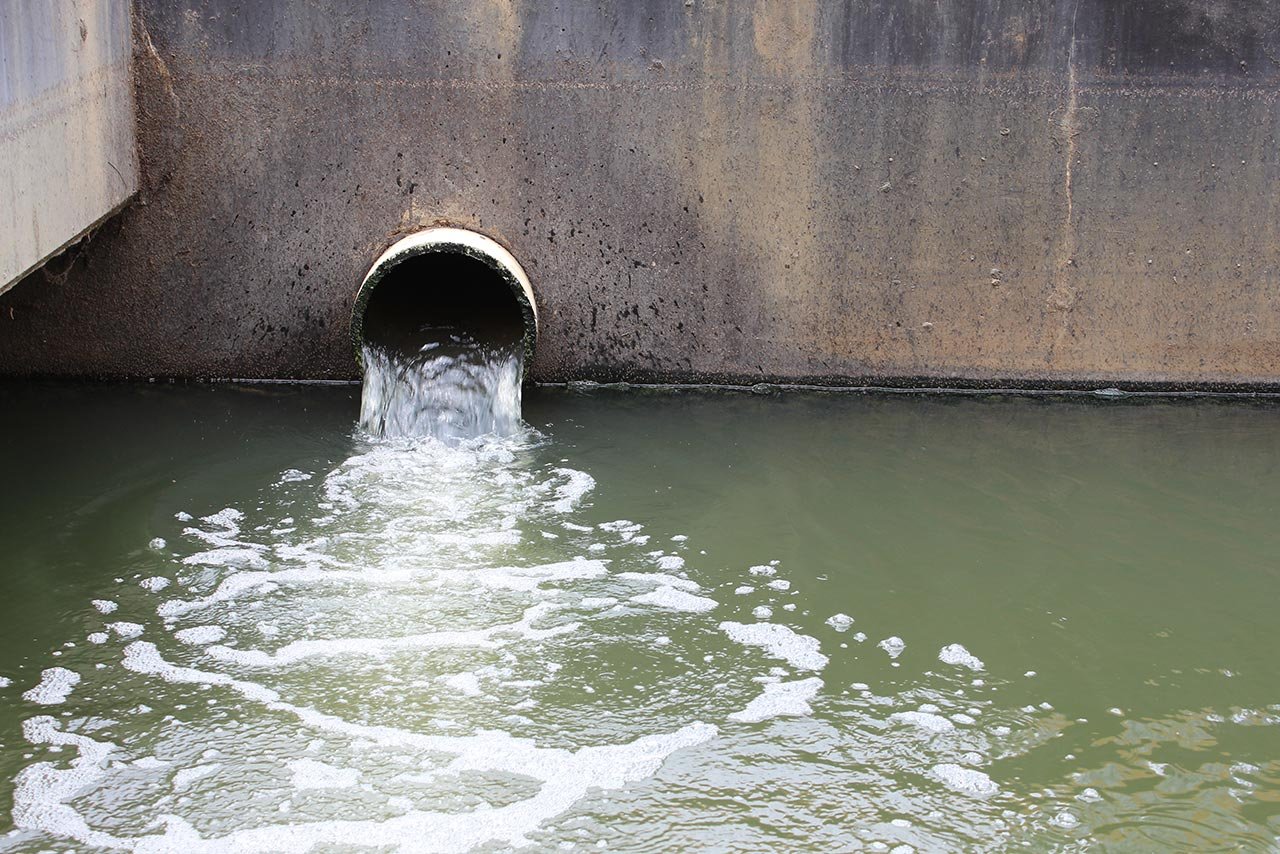

























































South Korean authorities have confirmed that recent tests conducted near the inter-Korean border showed no signs of radioactive or toxic contamination, despite growing concerns over suspected uranium wastewater discharge from a North Korean nuclear facility.
In a statement issued Friday, South Korea’s Ministry of Unification announced that environmental safety tests found no unusual levels of radioactive elements or heavy metals in areas potentially affected by the alleged discharge. The announcement follows two weeks of comprehensive testing in locations near the Han River estuary and Ganghwa Island, regions adjacent to North Korea’s Ryesong River, which flows from Pyongsan County—home to one of the North’s known uranium refining plants.
“The contamination screening results showed no abnormalities,” said Chang Yoon-jeong, deputy spokesperson for the ministry, during a press briefing. The testing, conducted in collaboration with the Nuclear Safety and Security Commission, the Ministry of Oceans and Fisheries, and the Ministry of Environment, aimed to determine if any uranium byproducts or industrial waste had crossed the border.
Analyses focused on two radioactive nuclides—uranium and cesium—as well as five hazardous heavy metals: cadmium, arsenic, mercury, lead, and hexavalent chromium. The tests covered 10 key locations including coastal and estuary areas near Ganghwa Island, Gimpo, and Incheon.
Uranium levels at six testing points near Ganghwa Island and Gimpo were found to range between 0.135 and 1.993 parts per billion (ppb), consistent with previous readings from 2019, which ranged from 0.59 to 1.97 ppb. The remaining four sites, including those closer to the Han River estuary and Incheon, registered between 0.087 and 3.211 ppb—well below the World Health Organization’s maximum limit of 30 ppb for drinking water.
Cesium levels were undetectable across all sites, registering below the Minimum Detectable Activity (MDA), a scientific benchmark indicating no significant radioactive traces above normal background levels. Officials noted that current cesium measurements also fall below the five-year average typically found in the West Sea.
Despite the reassuring data, South Korean officials cautioned that the absence of contamination does not confirm or disprove whether North Korea released uranium-laced wastewater into the river system. “The test results cannot serve as conclusive evidence that a discharge occurred or did not occur,” said Chang. “They only reflect that, as of now, there is no detectable contamination in the measured zones.”
The heightened scrutiny began in early July following a media report that raised alarms over possible uranium wastewater discharge by North Korea from its Pyongsan uranium refining complex. The report suggested that industrial waste from the facility may have been dumped into the Ryesong River, which flows southward and potentially threatens water sources near the heavily populated Seoul metropolitan area.
In response, the South Korean government has pledged to initiate monthly water quality monitoring at seven of the 10 surveyed locations. This move aims to ensure long-term environmental safety and maintain public trust amid increasing concerns about North Korea’s nuclear and industrial activities.
Environmental experts note that North Korea’s uranium refining processes produce toxic byproducts that, if released into waterways, could pose long-term risks to human health and aquatic ecosystems. Given the secretive nature of the North Korean regime and its lack of transparency in nuclear matters, regional governments and international agencies have frequently struggled to obtain accurate information about its environmental practices.
South Korea has consistently raised concerns about environmental hazards stemming from the North’s nuclear activities and has called for increased international oversight. Environmental groups have also urged the United Nations and the International Atomic Energy Agency (IAEA) to pressure Pyongyang to disclose its waste management practices and permit third-party environmental inspections.
As tensions remain high on the Korean Peninsula, environmental monitoring has become an important part of broader national security. While no immediate radiation risks have been confirmed, officials in Seoul remain cautious, emphasizing the need for continued vigilance and scientific evaluation to safeguard public health and ecological stability.