




















































Wildfires Rage Across Central Portugal, Consuming Over 172,000 Hectares
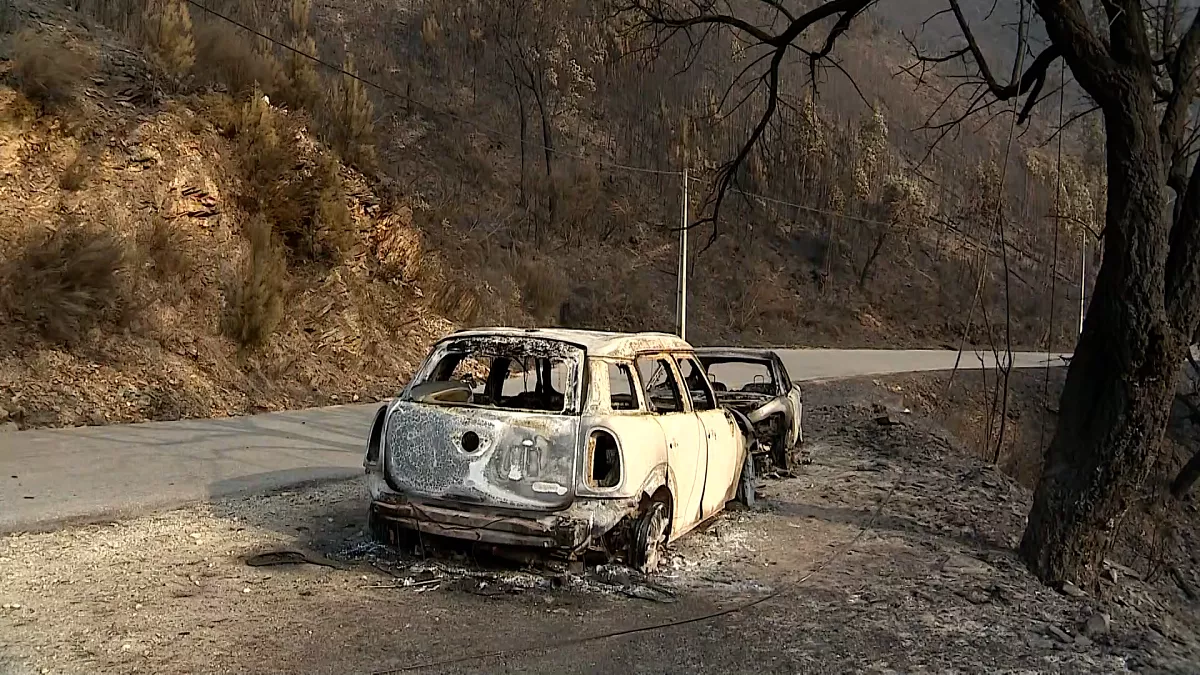
Portugal is grappling with a series of wildfires that have ravaged more than 172,000 hectares of land, primarily in the central regions of the country. As of Monday, five significant blazes remain active, exacerbated by strong winds that have hampered firefighting efforts.
The fires have posed a considerable challenge for emergency services, which are working tirelessly to contain the flames and prevent further destruction. The combination of high temperatures, dry conditions, and gusty winds has created an environment conducive to the rapid spread of wildfires, a situation that has become increasingly common in recent years across southern Europe.
The Portuguese authorities have mobilised extensive resources to combat the fires, deploying hundreds of firefighters, supported by aircraft and ground vehicles. Despite these efforts, the unpredictability of the weather has made it difficult to gain the upper hand on the blazes. Local residents in affected areas have been evacuated as a precautionary measure, and emergency services are on high alert.
Wildfires are not an unfamiliar occurrence in Portugal, particularly during the summer months when temperatures soar. The country has experienced severe fire seasons in the past, most notably in 2017 when devastating blazes claimed dozens of lives and caused extensive damage to infrastructure and natural landscapes. This year’s fires have reignited concerns about climate change and its impact on fire risk, with many experts warning that such extreme weather events are likely to become more frequent.
In addition to the immediate threat to life and property, the wildfires have significant implications for the environment. The destruction of forests and wildlife habitats can have long-lasting effects on ecosystems and biodiversity. Moreover, the release of carbon dioxide from burning vegetation contributes to climate change, creating a vicious cycle that exacerbates the problem.
Portugal’s government has implemented various measures to mitigate the risks associated with wildfires. These include improved forest management practices, investment in firefighting resources, and public awareness campaigns aimed at educating citizens about fire prevention. However, the scale and intensity of this year’s fires highlight the ongoing challenges that the country faces in managing its natural landscapes effectively.
As the situation develops, the focus remains on controlling the existing fires and preventing new outbreaks. The resilience of local communities is being tested as they confront the immediate dangers posed by the wildfires, while also looking to the future and the potential for recovery and rebuilding once the blazes are extinguished.
International support may also play a role in addressing the crisis. In previous years, neighbouring countries have offered assistance in the form of firefighting resources and personnel during particularly severe fire seasons. Collaboration across borders can enhance the capabilities of national efforts and provide much-needed relief in times of crisis.
As Portugal continues to battle these wildfires, the global community watches closely, reflecting on the broader implications of climate change and the need for coordinated action to address environmental challenges. The situation serves as a stark reminder of the vulnerability of ecosystems and the importance of preparedness in the face of natural disasters.