





































Calls to extend Panama’s 2025 academic calendar are gaining momentum as international organizations warn of worsening educational setbacks caused by a months-long teachers’ strike. The United Nations Children’s Fund (UNICEF) and the United Nations Educational, Scientific and Cultural Organization (UNESCO) have formally recommended that the Ministry of Education (Meduca) consider adding additional school days to help recover lost learning time for students affected by the recent 80-day school closure.
In a joint statement issued on July 22, both agencies urged Panamanian authorities, educators, and parents to prioritize educational recovery efforts and resume dialogue focused on reinforcing children’s right to education. Specifically, they emphasized a need to enhance reading comprehension, mathematical reasoning, and educational tools, while also developing socio-emotional skills in children within healthy, safe, and inclusive school environments.
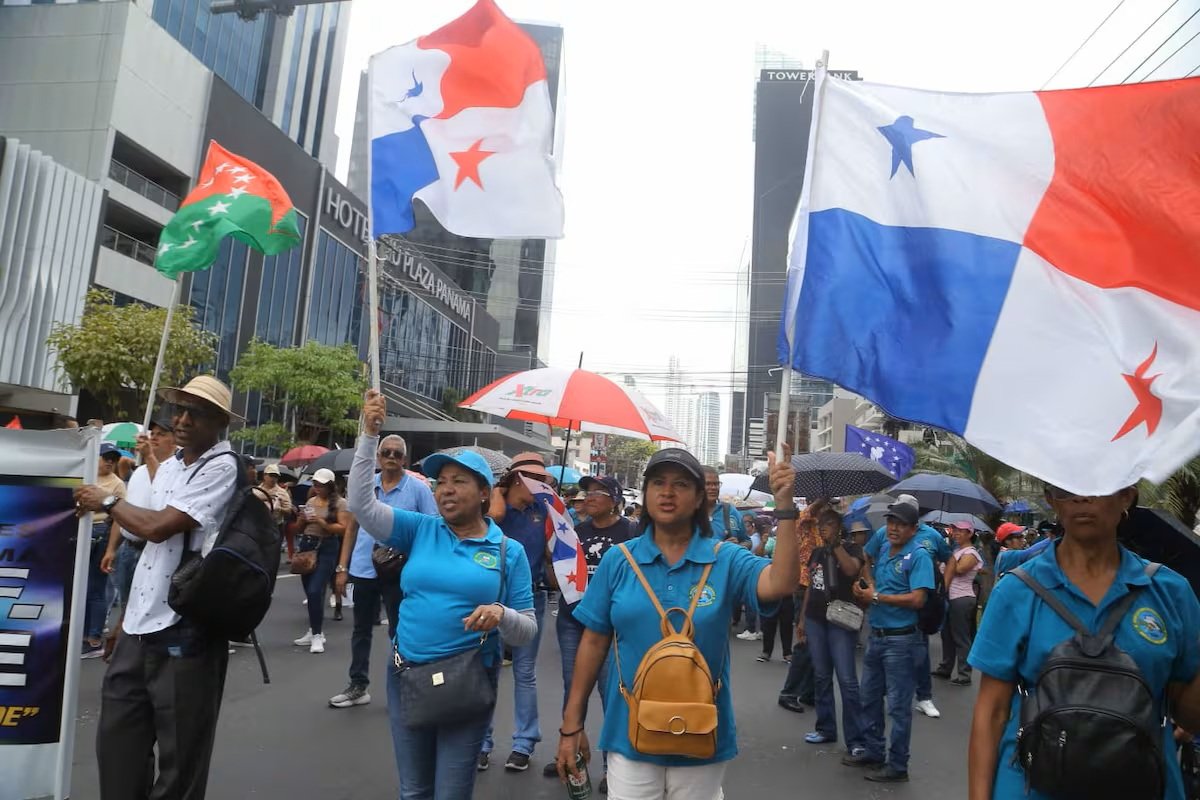
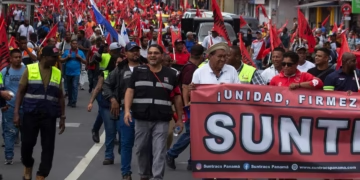
The appeal from UNICEF and UNESCO comes as education officials grapple with the aftermath of a disruptive strike that impacted approximately 700,000 primary and secondary students in the public education system. Teachers across Panama walked off the job beginning April 23 in protest of Law No. 462, a legislative reform to the country’s Social Security Fund (CSS). The law sparked national unrest, though Education Minister Lucy Molinar has repeatedly stated that the reform does not directly affect educators.
The strike concluded on July 11 following negotiations between teacher unions and the Ministry of Education. The agreement allowed teachers to return to classrooms without pay for days missed and permitted the continuation of administrative proceedings for those absent without authorization. Despite the resolution, tensions remain over the long-term impact on students.
Responding to the UN’s proposal, Minister Molinar firmly rejected the idea of extending the school year, calling it a “fallacy” and arguing that doing so would unjustly penalize students, parents, and teachers who remained committed during the walkout.
“Extending the year to add just a few days is a punishment,” she stated during an appearance on Telemetro Reporta on July 23. “The time that remains can be used efficiently with targeted strategies to prevent further academic loss.”
Molinar argued that rather than extending the calendar, educators should focus on optimizing instructional time with smarter, more intensive methods. “We need to consider the students’ interests above all else. Enough with the fights that are not grounded in truth,” she said, referencing the ongoing conflicts with teacher unions.
The minister also underscored the emotional toll the prolonged school closures have taken on students. “The psychological impact is far greater than the academic,” she warned. “If you take away school, you take away everything from a child — recess, classes, community. Their whole life revolves around school.”
In recent weeks, reports have circulated about administrative measures being taken against striking teachers, including claims of mass dismissals. Molinar dismissed these reports as misinformation spread by union leaders.
“No teacher has been dismissed arbitrarily. Every case will go through due process,” she clarified. She added that many disciplinary actions were initiated by school principals themselves, fed up with the lack of classroom discipline during the strike. “A teacher cannot just decide not to teach. The authority lies with the principal,” she stressed.
Molinar also criticized what she described as unjust labels of “dictatorship” aimed at President José Raúl Mulino’s administration and shared her own experience of being targeted with personal and racist insults during the protests. “There is a limit to everything. The student cannot continue to be the one who suffers,” she said.
Molinar warned that continued absenteeism could jeopardize the academic standing of many schools. “One more missed day could close the school year for some institutions. We cannot lie to ourselves or to society — students will not be adequately prepared.”
Despite Minister Molinar’s resistance, the recommendations from UNICEF and UNESCO have drawn attention to the urgent need for action. The agencies stressed that prioritizing core subjects and fostering emotional well-being are essential in the months ahead.
Their call for support is not just a critique of policy but a reminder of the deep educational inequalities exacerbated by disruptions in public education. While Panama has made strides in increasing school access in recent decades, many rural and low-income communities remain vulnerable to systemic breakdowns like those caused by the strike.
As Panama’s education ministry weighs its next steps, the future of the nation’s schoolchildren — their mental health, academic progress, and faith in institutions — hangs in the balance. The global spotlight now shines on Meduca’s ability to restore trust, deliver equitable solutions, and protect the educational rights of its youth.