

















































The Panamanian Chamber of Commerce, Industries, and Agriculture (CCIAP) has publicly announced its support for legal proceedings against the National Single Union of Workers in the Construction Industry and Similar Trades (SUNTRACS). The move comes amid growing concerns from the business community over the union’s increasingly disruptive tactics during recent labor disputes.
Juan Alberto Arias, president of the CCIAP, delivered a strongly worded statement criticizing SUNTRACS for actions that he claims go beyond the boundaries of lawful union activity. Arias emphasized that while unions are fundamental to democratic societies and vital for representing workers and promoting fair labor conditions, their power must be exercised within the legal framework.
According to Arias, Panama’s Constitution guarantees the right to free union association, a right that supports democratic engagement and protects labor interests. However, he was quick to clarify that this right is not limitless. Arias warned that unions cannot use their status as justification to break laws, incite unrest, or prioritize political agendas over public order and the welfare of citizens.
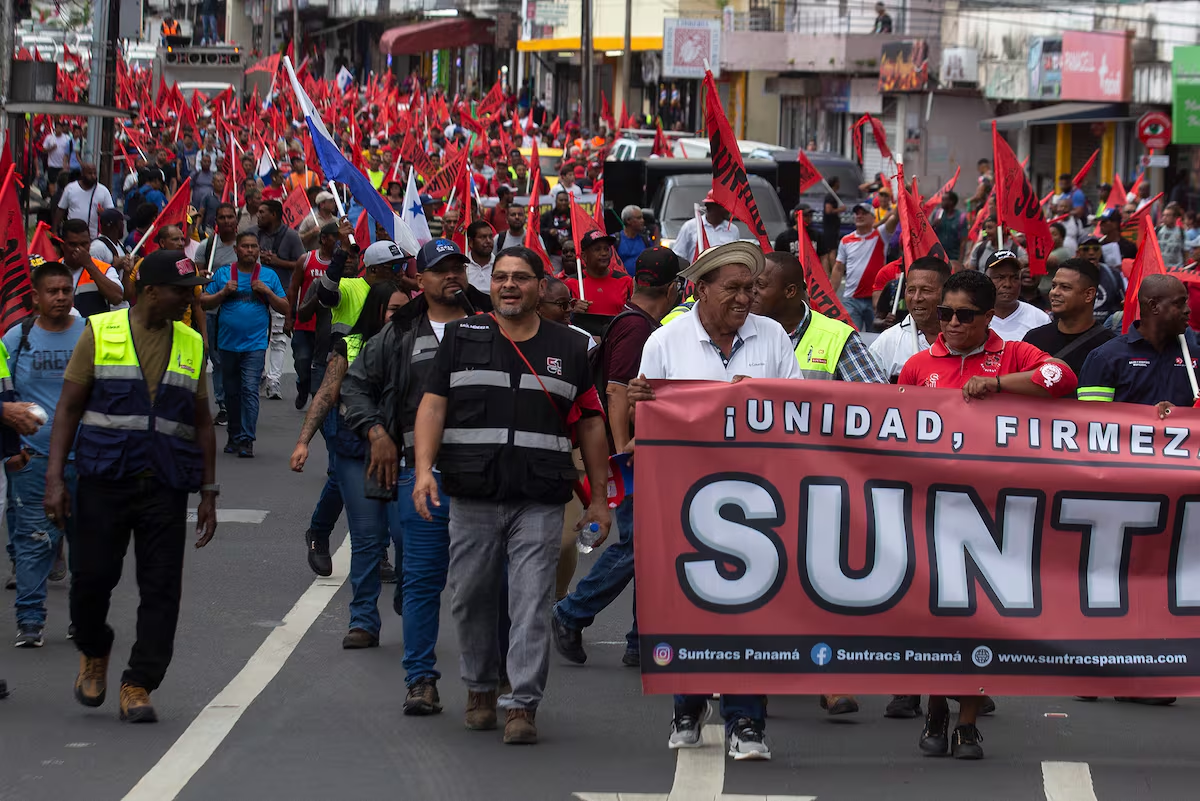
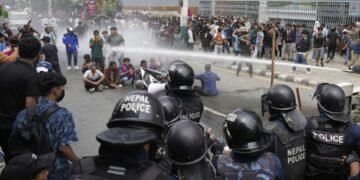
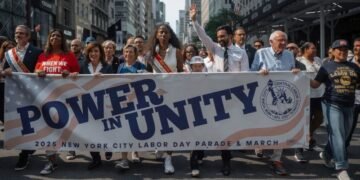
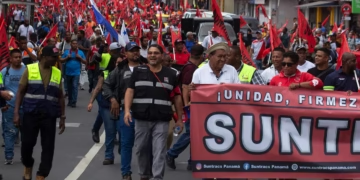
The CCIAP’s statement comes in response to a series of demonstrations, strikes, and road blockades led by SUNTRACS in recent months. These actions, aimed at pressuring employers and government officials, have caused significant disruption across Panama. Arias accused SUNTRACS of turning away from the values of responsible unionism, instead resorting to tactics that he described as coercive and detrimental to the economy.
He argued that the union’s behavior has caused widespread inconvenience for ordinary Panamanians, especially workers unable to reach their jobs due to blocked roads and suspended transportation services. He stressed that such disruptions not only harm businesses but also hurt the very workers SUNTRACS claims to represent.
The CCIAP maintains that it supports the right to organize, but only when unions act responsibly, ethically, and within legal limits. Arias drew a parallel between the expectations placed on employers and those that should apply to union leaders. He urged unions to engage in dialogue and negotiation, rather than disruptive confrontation.
His statement called on all parties to recommit to the original purpose of unionism: protecting worker rights through lawful and peaceful means. Arias warned against allowing a small faction to use noble causes as a pretext for causing division and economic hardship in the country.
The dispute reflects ongoing tensions between the powerful labor union and Panama’s business community. SUNTRACS, founded in the 1970s, has long been one of Panama’s most vocal and influential unions. Known for its aggressive tactics and close ties to left-wing political movements, it has frequently clashed with both private-sector leaders and government authorities.
Critics of the union argue that its tactics often go beyond acceptable boundaries and hurt Panama’s economic growth. Supporters, on the other hand, claim the union is a vital force in protecting labor rights in a system that often favors corporate interests.
This latest controversy has placed pressure on Panama’s judicial system to determine whether SUNTRACS’ actions have crossed legal lines and whether limits should be placed on how far unions can go when engaging in protest and advocacy. The construction sector, a key pillar of Panama’s economy, is especially vulnerable to disruptions given its dependence on consistent labor activity and ongoing infrastructure development.
As legal proceedings move forward, the outcome of this case may set a precedent for how labor disputes are handled in the future and how the balance is struck between labor rights and public order in Panama.