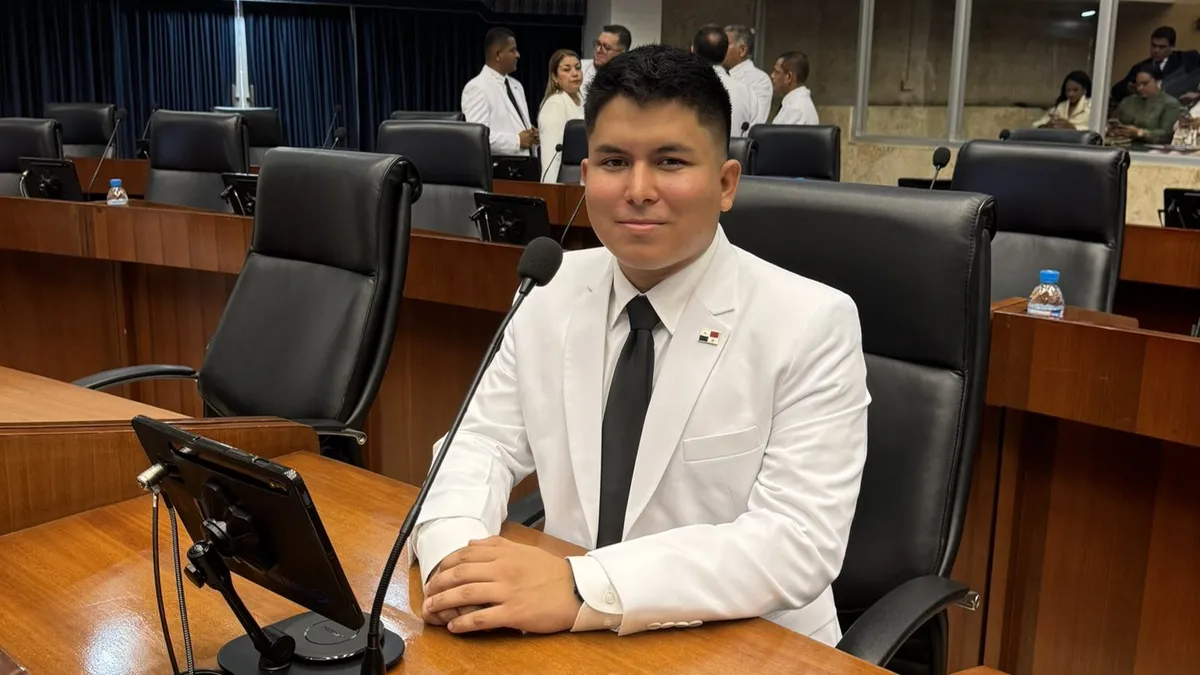

















































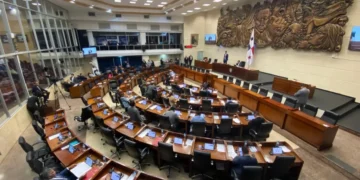









Panama is taking decisive steps to regulate its booming short-stay rental market, with a new legislative proposal aimed at bringing platforms like Airbnb under a formal legal framework. The bill, introduced last week by Deputy Neftalí Zamora of the Vamos Coalition, seeks to provide legal clarity for more than 13,000 rental units currently operating without regulation in the country.
In a video statement posted to his social media accounts, Zamora clarified that although taxation has been a major point of public discussion, the true intention behind the bill is to provide “legal certainty” to property owners and tourists alike. “The issue this bill aims to resolve is the absence of a legal structure to support short-stay rentals,” Zamora stated.
The proposed legislation comes at a time when Panama’s tourism sector is rebounding strongly. According to Zamora, the country welcomed approximately 2 million tourists in 2024, each spending an average of $100 per day. This influx contributed an estimated $2 billion to Panama’s economy, underscoring the significance of tourism as a national revenue generator.
Short-term rentals have become an increasingly popular lodging option for both international visitors and domestic travelers. However, their rapid growth has outpaced the existing legal infrastructure, leading to concerns over tax evasion, consumer protections, neighborhood disruption, and unfair competition with traditional hotels.
Deputy Zamora emphasized that implementing a regulatory framework would not only attract investment and promote sustainable tourism, but also provide clarity on the rights and responsibilities of both hosts and guests. “Tourism triggers a ripple effect — supporting restaurants, beaches, shops, and shopping centers. That translates into more businesses and jobs for Panamanians,” he said.
The proposed bill would establish clear guidelines to balance the interests of stakeholders in the sector. This includes setting standards for property listings, safety requirements, and mechanisms for conflict resolution between guests and property owners. By aligning Panama with regional leaders like Costa Rica and Colombia — both of which introduced similar regulations in 2019 and 2020 — the bill aims to keep Panama competitive as a tourism destination.
Zamora also extended a formal invitation to stakeholders in the tourism and hospitality industries to join the dialogue and help shape the final version of the legislation. “We need to get our house in order. This is about ensuring orderly, sustainable growth that benefits everyone,” he said.
If passed, the law could mark a turning point for Panama’s short-stay rental market, giving it the structure it needs to grow responsibly while contributing more significantly to the national economy.
The legislative debate is expected to continue in the coming weeks, with public hearings and consultation periods likely to be scheduled to fine-tune the bill in line with industry feedback.