






















































In 2018, Pakistan made a significant move towards changing the status and administration of the Federally Administered Tribal Areas (FATAs), a long-neglected region that has been a breeding ground for turmoil. However, despite these efforts, the area continues to be socio-economically underprivileged and is experiencing an alarming increase in violence.
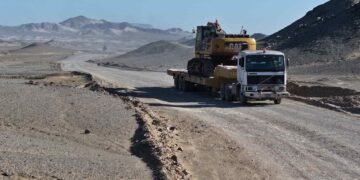
The FATAs are a group of semi-autonomous tribal regions located along the Afghan-Pakistan border. For years, these areas have been characterised by a lack of development, limited access to healthcare and education, and poor infrastructure. The region’s geographical location has made it a strategic hotbed for various militant groups, including the Taliban, creating a volatile security situation that has further impeded its development.
In an attempt to rectify these longstanding issues, the Pakistani government undertook a significant restructuring of the FATAs’ governance in 2018. The move was seen as a second chance for the tribal areas, an opportunity to break away from the cycle of neglect and violence that has plagued them for years.
The overhaul involved merging the FATAs with the neighbouring province of Khyber Pakhtunkhwa (KP). This was a significant policy shift, designed to provide the tribal areas with better access to governance, administration, and economic opportunities. The government hoped that by integrating the FATAs into a more developed region, they could stimulate economic growth, improve access to services, and ultimately, reduce the appeal of militant groups.
However, despite the government’s well-intentioned efforts, the FATAs remain socio-economically disadvantaged. The region still lags behind the rest of the country in terms of education, healthcare, and economic opportunities. The development projects that were promised as part of the merger have been slow to take off, leaving many of the area’s residents feeling disillusioned and neglected.
Adding to these socio-economic woes, the region has witnessed a surge in violence. The security situation remains precarious, with militant groups continuing to operate in the area. The frequency of attacks has increased, and the unrest is exacerbating the region’s socio-economic problems. The government’s efforts to pacify the area and integrate it into the mainstream appear to be slipping away.
Critics argue that the Pakistani government’s plan to revitalise the FATAs was fundamentally flawed. They believe that the merger with KP was rushed and did not take into account the unique cultural, social, and economic dynamics of the tribal areas. While the government’s intentions were commendable, critics argue that a more nuanced approach, tailored to the specific needs and challenges of the FATAs, would have been more effective.
The situation in the FATAs is a stark reminder of the complexities and challenges involved in implementing development initiatives in conflict-prone regions. The government’s efforts to transform the tribal areas, while laudable, have so far failed to bring about the desired changes. The area remains mired in poverty, neglect, and violence, and the opportunity for meaningful change appears to be slipping away.
The fate of the FATAs is not just a local concern but has significant implications for regional security and geopolitics. The area’s volatility and strategic location make it a potential flashpoint for conflict and a breeding ground for extremism. Therefore, the urgency to address the situation cannot be overstated.