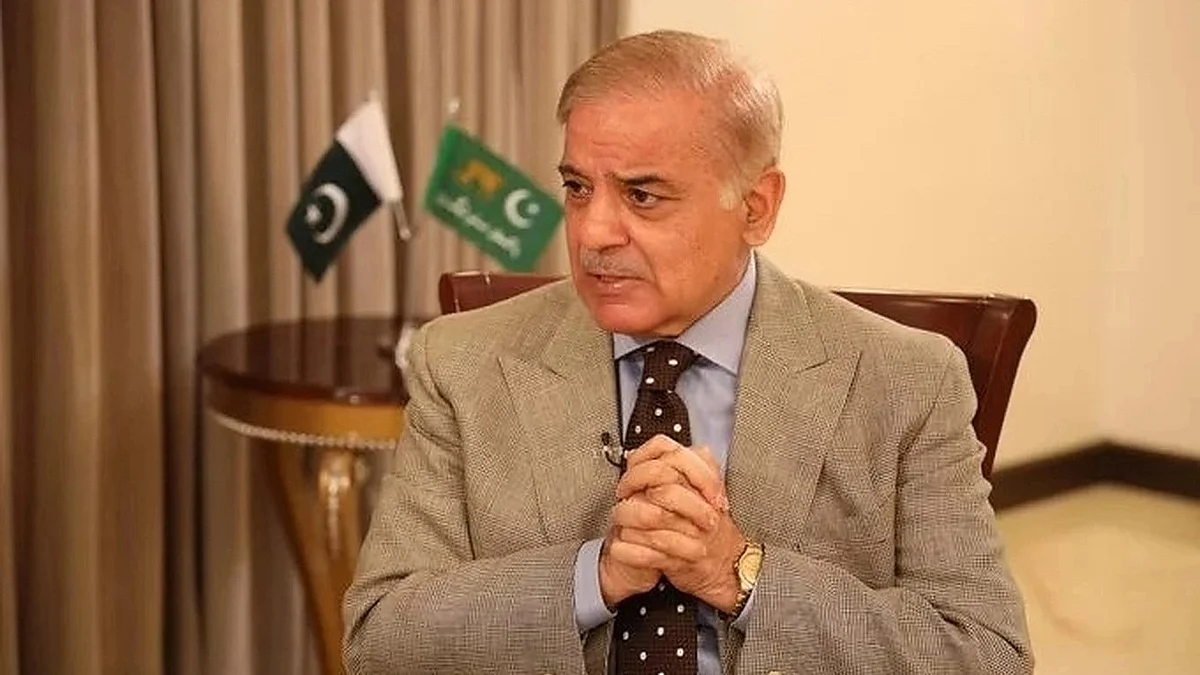









































Prime Minister Shehbaz Sharif has called for an accelerated shift toward electric vehicles (EVs) in Pakistan, emphasizing that the transition will help reduce the country’s dependence on imported fuel, preserve foreign exchange reserves, protect the environment, and spur domestic manufacturing.
During a high-level meeting on Friday focused on EV policy, the prime minister directed authorities to devise a comprehensive, government-backed action plan aimed at making EVs accessible to everyday citizens. He highlighted that Pakistan spends billions of dollars annually on fuel imports—expenditures that could be significantly lowered with a shift to cleaner, locally-supported technologies.
As part of this broader strategy, the government plans to distribute free electric bikes to top-performing students across all educational boards, including the Federal Board. In addition, unemployed youth will be prioritized in receiving electric rickshaws and cargo loaders, helping stimulate job creation in urban and rural areas alike.
Officials briefed the prime minister on the current status of EV manufacturing in the country and detailed the incentives being introduced to encourage uptake. The initiative includes the provision of low-interest loans and simplified repayment terms, aimed at making electric two- and three-wheelers affordable for a wide demographic.
The government plans to roll out over 100,000 electric bikes and more than 300,000 electric rickshaws and loaders in the coming phase of the initiative. These vehicles will be offered through subsidized financing to students, small business owners, and job seekers. The effort is part of a larger push to integrate sustainable technologies across Pakistan’s transportation and logistics sectors.
This move also aligns with Pakistan’s climate goals and commitments under the Paris Agreement, as the transportation sector is a significant contributor to greenhouse gas emissions in the country.
Separately, Prime Minister Sharif also emphasized the importance of updating Pakistan’s civil service to match global standards. During a meeting on civil service reform, he underscored the critical role bureaucracy plays in the implementation of public policies and the delivery of essential services. He called for feedback from public representatives and current government officials to shape the next wave of administrative and institutional reforms.
The prime minister said modernizing the civil service with technology and performance metrics is essential for improving governance and building public trust. He urged departments to move quickly on digitization efforts and invest in training programs that equip civil servants for future challenges.
In the field of agriculture, Prime Minister Sharif lauded the progress of 300 Pakistani graduates who recently completed a practical training program in China’s Shaanxi province. The program is part of a broader agricultural cooperation initiative between Islamabad and Beijing aimed at improving food security and farming practices in Pakistan. The prime minister noted that such international training opportunities will be expanded in the future to support the next generation of agri-tech professionals.
In a separate economic update, PM Sharif also welcomed the news that Pakistan’s current account posted a surplus of $2.1 billion in the 2024–2025 fiscal year, the highest in 22 years. He credited government reforms, increased remittances, and a boost in exports for the positive shift, noting that foreign exchange reserves have now crossed $19 billion.
The combination of EV deployment, civil service modernization, and economic stabilization signals what the government describes as a strategic shift toward sustainability, innovation, and economic resilience.