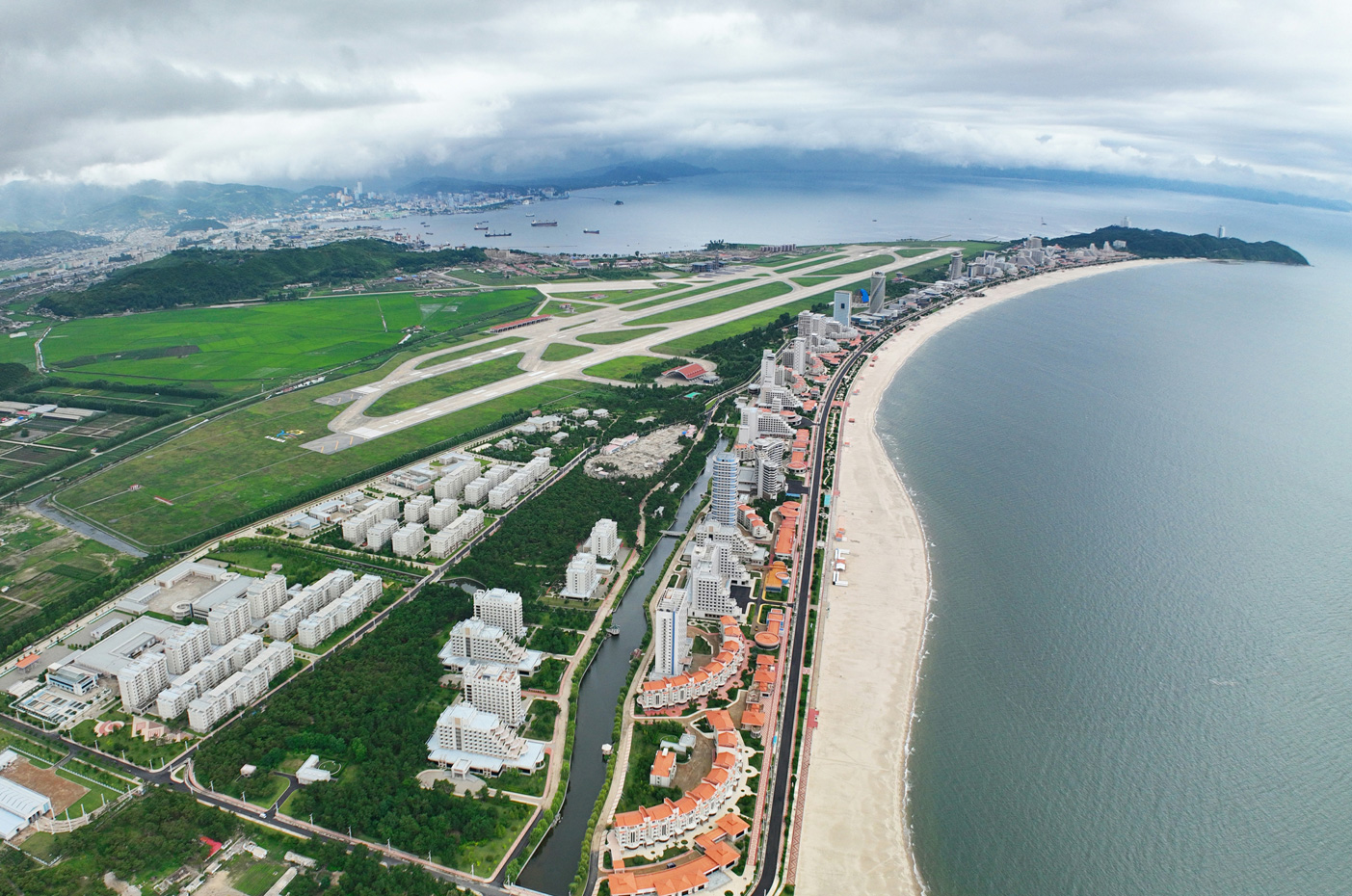











































In a surprising turn of events, North Korea has abruptly suspended access for foreign tourists to its newly opened beach resort in Wonsan, just weeks after its highly publicized launch. The announcement appeared quietly on DPR Korea Tour—the official tourism promotion website run by the North’s National Tourism Administration—stating that the Wonsan-Kalma Coastal Tourist Zone is “temporarily not receiving foreign tourists.” No reason or timeline for the closure was provided.
The suspension comes less than a month after Pyongyang unveiled the long-awaited resort in a June 24 ceremony, touting its capacity to host nearly 20,000 guests and projecting it as a symbol of North Korea’s potential for high-end tourism. The coastal development, located in the Kalma area of Wonsan on the eastern shore of the Korean Peninsula, had been under construction for years and was part of leader Kim Jong-un’s broader push to boost tourism revenue amid ongoing international sanctions.
Despite the grand opening, satellite analysis and independent reporting have raised serious doubts about the facility’s readiness. A recent report by 38 North, a U.S.-based monitoring project focused on North Korea, noted that while the site appears operational from above, much of the infrastructure is incomplete. High-resolution satellite images captured around July 12—during a visit to the region by Russian Foreign Minister Sergei Lavrov—revealed that major sections, including the main hotel complex, do not appear to be in use.
This news aligns with reports from Russian media outlets, including Izvestia, which documented visits to the resort zone by journalists and early Russian tourists. Contrary to promotional images released by North Korean state media, which depicted vibrant beaches filled with domestic vacationers, real-time accounts described empty shores and a noticeable absence of international guests. Some observers speculated that North Korean citizens had been staged as “holidaymakers” to project an image of demand and hospitality.
Foreign visitors who managed to visit the site before the suspension reportedly paid between $1,600 and $1,800 for a weeklong package—an amount considered steep for most Russian middle-class citizens, who typically earn between $670 and $2,000 per month, according to labor platform DeskCove. The price point, combined with the resort’s unfinished state and limited amenities, may have contributed to low initial turnout and prompted authorities to quietly pause operations.
While North Korea has long maintained strict control over its tourism sector, the Wonsan-Kalma resort was widely seen as a pivot toward modernizing its economy and appealing to wealthier travelers, especially from neighboring countries like Russia and China. The resort includes beachfront accommodations, recreational facilities, and reportedly aims to feature a golf course and waterpark in its final phase.
The timing of the suspension is also raising questions. It comes amid growing international scrutiny of North Korea’s diplomatic and economic engagements. Lavrov’s recent visit to the site was seen as part of Pyongyang’s ongoing efforts to deepen ties with Moscow, particularly as both nations face international isolation—North Korea due to its weapons program, and Russia due to its war in Ukraine.
Analysts suggest that the closure may reflect deeper logistical and economic challenges. Delays in construction, shortages of materials, and a lack of trained service workers have all plagued the North’s attempt to establish Wonsan as a world-class tourist destination. Moreover, the country’s slow reopening following years of strict pandemic-related border controls has further complicated efforts to attract visitors.
Despite these setbacks, the regime remains publicly committed to tourism development. State-run media continues to portray the Wonsan-Kalma zone as a future hub of leisure and international engagement. But the sudden decision to suspend access for foreigners without explanation could further dampen enthusiasm and credibility around North Korea’s tourism ambitions.
Whether the suspension signals a temporary adjustment or a more significant reconsideration of the project remains unclear. For now, the gates to North Korea’s beachside paradise have quietly closed—leaving behind more questions than answers.