



























































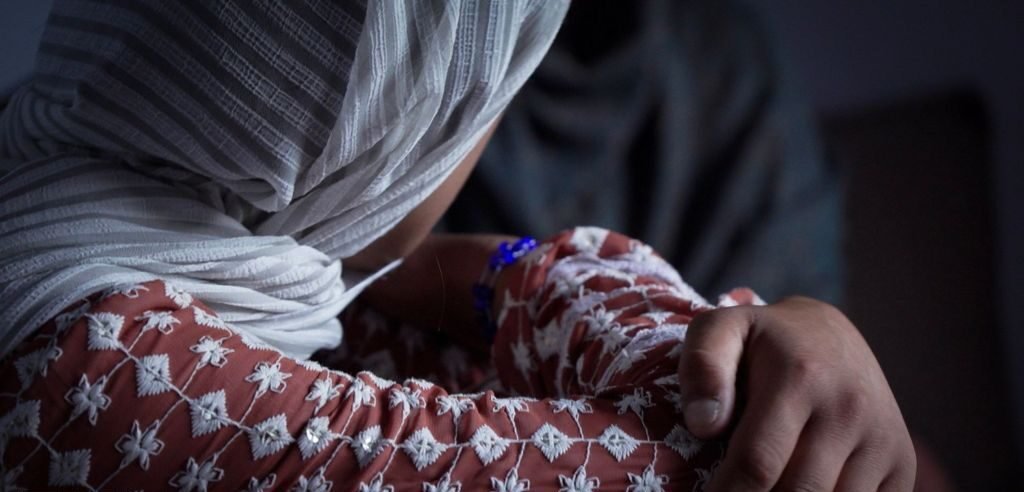
In Afghanistan, the complex landscape of mental health care presents significant challenges, particularly for women. The barriers to accessing treatment in mental health facilities are daunting, but the struggle does not end there. For many women, the challenge of securing their release from these institutions is even more formidable.
Afghanistan’s mental health system has long been underfunded and neglected, a situation exacerbated by decades of conflict and instability. The country has faced immense difficulties in establishing a comprehensive mental health care framework, which has resulted in inadequate facilities and a shortage of trained professionals. This lack of resources is particularly detrimental to women, who often face societal stigma and discrimination that can further complicate their access to care.
Women seeking mental health treatment in Afghanistan find themselves navigating a system fraught with obstacles. Cultural norms frequently dictate that women must rely on male family members for permission to seek treatment, limiting their autonomy. In many cases, women may be admitted to facilities against their will, often due to perceived behavioural issues linked to mental health conditions. Once inside these institutions, the path to recovery can be obstructed by a lack of appropriate care, compounded by the absence of a clear discharge process.
The confinement experienced by many women in these facilities is not merely a physical one; it often leads to feelings of despair and hopelessness. Reports indicate that the conditions within these institutions can be dire, with overcrowding and insufficient resources leading to inadequate support for patients. As a result, many women find themselves trapped in a cycle of institutionalisation, unable to secure the help they need to reintegrate into society.
The stigma surrounding mental health in Afghanistan further complicates the situation. Mental illness is often misunderstood, with many viewing it as a sign of weakness or a source of shame. This societal perception can deter women from seeking help altogether, and those who do may find themselves ostracised by their families and communities. The fear of social isolation can prevent women from advocating for their own health and wellbeing, leaving them vulnerable within the mental health system.
Efforts to reform Afghanistan’s mental health care system have been sporadic and insufficient. While international organisations have made strides in raising awareness and providing resources, the progress remains slow. The ongoing instability in the country, particularly following the Taliban’s return to power in 2021, has further complicated these efforts. With the humanitarian crisis deepening, mental health services continue to be deprioritised amidst pressing concerns such as food security and physical safety.
The international community has a critical role to play in supporting mental health initiatives in Afghanistan. Advocacy for women’s rights and mental health care must be prioritised, with a focus on creating sustainable systems that empower women. Increased funding, training for healthcare professionals, and community-based programmes are essential to address the unique needs of women facing mental health challenges.
As the situation stands, many women in Afghanistan remain trapped in a mental health system that does not adequately support them. The journey towards recovery is fraught with hurdles, from gaining access to care to navigating the complexities of discharge and reintegration. Without substantial change, the cycle of institutionalisation and stigma will persist, leaving countless women without the support they desperately need.
The plight of these women highlights the urgent need for reform and a renewed commitment to addressing mental health issues in Afghanistan. A concerted effort is necessary to ensure that women can access the care they require and reclaim their lives from the shadows of a broken system.