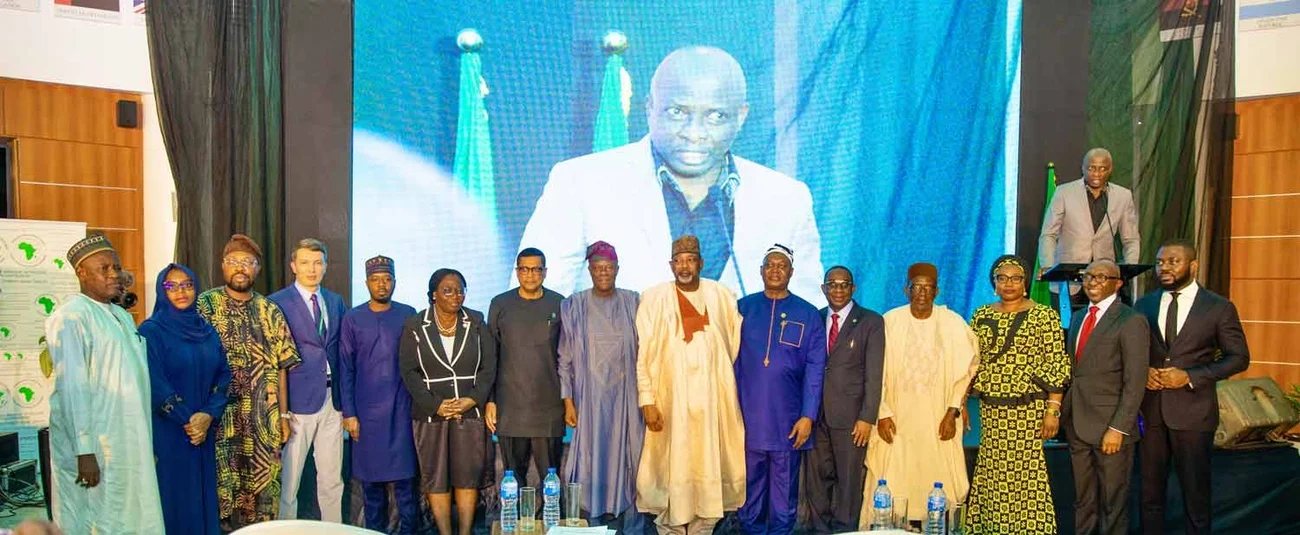
Nigeria has officially commenced the first phase of its Special Agro-Industrial Processing Zones (SAPZ) project in Kaduna State, marking a major milestone in the country’s efforts to boost food security, modernize agriculture, and stimulate rural economic growth. The initiative is backed by the African Development Bank (AfDB) and several international development partners, including the Islamic Development Bank (IsDB) and the International Fund for Agricultural Development (IFAD).
The SAPZ project is designed to tackle long-standing challenges in Nigeria’s agricultural sector by developing modern agro-processing infrastructure within major food production clusters. These designated zones aim to attract private sector investments by providing world-class facilities, logistical support, and enabling environments to process crops, livestock, and other agricultural products locally.
At the groundbreaking ceremony in Kaduna, Nigeria’s Minister of Agriculture and Food Security, Abubakar Kyari, highlighted the program as a transformational shift under President Bola Tinubu’s administration. He described SAPZ as a pivotal component of the government’s “Renewed Hope” agenda to reposition agriculture as a driver of economic diversification and sustainable development.
“This project marks a turning point in our approach to agriculture and agro-industrial development. It is a critical step toward unlocking the potential of our agribusiness sector and empowering rural communities,” Kyari said.
Initially conceived nearly four years ago, the SAPZ initiative has been identified as one of AfDB’s flagship programs, to be executed across 18 African nations. In Nigeria, the project covers 19% of the country’s landmass and is expected to directly benefit over 50 million people.
The Nigerian federal government, in collaboration with AfDB and other donors, officially launched the program in September 2021 under former President Muhammadu Buhari. The AfDB subsequently approved a $210 million funding package in December 2021 for Phase 1, consisting of a $160 million loan and an additional $50 million from the Africa Growing Together Fund.
The first phase of the SAPZ project will be rolled out in eight locations across the country: Kaduna, Kano, Kwara, Cross River, Oyo, Ogun, Imo states, and the Federal Capital Territory (FCT), Abuja. These states were selected based on their agricultural potential, strategic location, and readiness to support the initiative.
Each region will focus on different value chains aligned with its agricultural strengths. For example:
- Kaduna State will prioritize tomato, maize, and ginger.
- Kano State will focus on rice, groundnuts, tomato, and sesame oil.
- Cross River will develop cocoa, cassava, and rice processing.
- Kwara and Imo States, along with the FCT, will concentrate on beef and dairy livestock.
- Ogun State will handle cassava, rice, poultry, and fisheries.
- Oyo State will focus on cassava, soybean, and rice.
The broader vision includes setting up large farming clusters equipped with mechanized equipment, training centers, and extension services across Nigeria’s 774 Local Government Areas. The government aims to improve access to modern tools, knowledge, and technology for farmers at the grassroots level.
Minister Kyari emphasized the significance of the partnerships forged to make the project a reality, noting that collaboration between federal and state governments, development institutions, and private investors is key to success.
“We are not just building agricultural infrastructure. We are investing in economic resilience, food sovereignty, and rural transformation,” he said.
According to him, preparations for the second phase are already nearing completion, and more states are expected to join the program soon. This expansion is aimed at deepening the impact of the project nationwide and reinforcing Nigeria’s agribusiness ecosystem to respond more effectively to food insecurity, unemployment, and underdevelopment.
The SAPZ initiative is also expected to reduce Nigeria’s reliance on imported food by promoting value addition within the country and supporting import substitution.
As the country embarks on this ambitious path, the federal government and its partners hope that the Special Agro-Industrial Processing Zones will serve as a model for integrating agricultural innovation, infrastructure development, and inclusive economic growth.