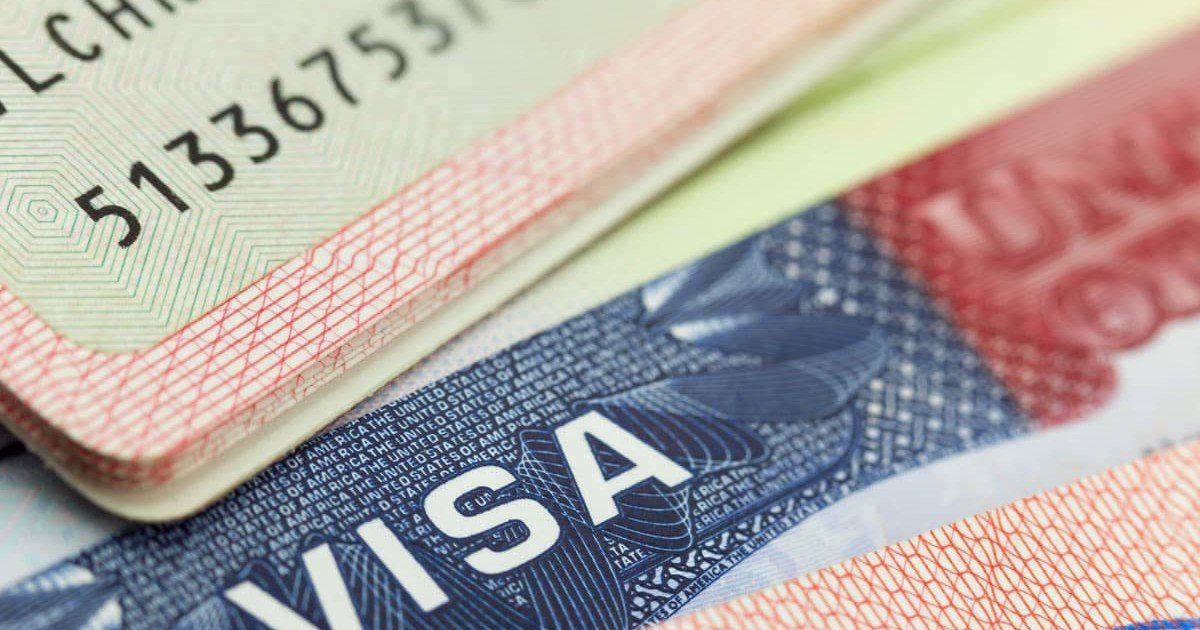







































The United States has announced the suspension of all routine visa processing at its embassy in Niamey, Niger, in a move that signals deepening tensions between the two countries. The pause affects both immigrant and non-immigrant visa applications and will remain in place until further notice, according to a statement from the U.S. State Department.
While the official explanation cites unspecified “concerns with the Government of Niger,” no further public details were provided. The embassy in Niamey has already begun notifying individuals impacted by the suspension. The only exception to the freeze will be for diplomatic and official visa applications, which will continue to be reviewed and processed.
The development follows an internal directive dated July 25, which was circulated to U.S. consular officials worldwide. The memo instructed consular officers to adopt stricter screening measures for all visa applicants from Niger. Citing high rates of visa overstays as the main justification, the cable notes that 8 percent of visitor visa holders and a striking 27 percent of student and exchange visa holders from Niger have remained in the United States beyond their authorized stay.
The decision to halt visa services comes against the backdrop of a deteriorating diplomatic relationship between Washington and Niamey. In September of last year, the U.S. completed the withdrawal of nearly 1,000 military personnel from Niger following the military junta’s decision to expel American troops. The expulsion marked a significant blow to the U.S.’s counterterrorism operations in West Africa, where Niger had previously been a cornerstone partner in the fight against extremist groups like Boko Haram and ISIS-affiliated insurgents.
Relations have remained strained since the July 2023 military coup that ousted President Mohamed Bazoum, an elected leader seen as a close ally of Western governments. The junta’s consolidation of power has led to international isolation, including the suspension of aid from several nations and sanctions from regional bodies like ECOWAS.
Compounding the diplomatic tensions is a broader shift in U.S. immigration and visa policy. The Trump administration, which has steadily pushed for tighter immigration controls, continues to implement hardline measures. These include expanded social media scrutiny, mass visa revocations, and increased vetting for green card holders and students, particularly those suspected of supporting causes deemed contrary to U.S. foreign policy goals.
In recent weeks, reports have emerged suggesting that students and visa holders believed to be sympathetic to Palestinian causes are being flagged by immigration authorities as potential security risks. While these claims have sparked criticism from civil liberties advocates, supporters of the policies argue they are necessary to safeguard national interests.
Senator Marco Rubio, a vocal proponent of the crackdown, has defended the enhanced scrutiny. “This is about national security,” Rubio stated. “We have a duty to make sure our immigration system isn’t exploited by individuals who might pose a threat, either through ideological extremism or non-compliance with our laws.”
For many Nigeriens hoping to travel, study, or reunite with family in the United States, the visa suspension adds yet another layer of hardship. With limited legal pathways now available, many are uncertain about when or if the restrictions will be lifted.
Meanwhile, humanitarian concerns continue to rise in Niger, where economic instability, conflict, and regional displacement have intensified following the military takeover. Analysts warn that the growing diplomatic rift between Niger and Western nations could further isolate the country and hinder its ability to recover politically and economically.