































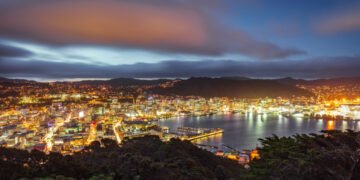
























New Zealand has reported its slowest population growth in three years, a development that coincides with ongoing economic difficulties as the nation grapples with the aftereffects of a significant recession in 2024. Despite a recent decline in interest rates, the economy has struggled to regain robust momentum, raising concerns about the long-term implications for both growth and demographic trends.
The latest statistics indicate that New Zealand’s population growth has decelerated, drawing attention to the broader economic context. Following a period of rapid growth, the population increase has been subdued, reflecting not only domestic factors but also global trends that have affected migration patterns and birth rates.
The country has traditionally relied on immigration to bolster its population figures, but recent policy changes and global uncertainties have led to a decline in incoming migrants. The COVID-19 pandemic had already disrupted migration flows, and while restrictions have eased, the recovery has been uneven. This has resulted in a more cautious approach to immigration, which is critical for a nation that has long benefited from a diverse and growing population.
In addition to migration issues, New Zealand is facing challenges related to its economy. The recession in 2024 was marked by rising inflation and supply chain disruptions, which have had lasting impacts. Although the Reserve Bank of New Zealand has begun to lower interest rates in an effort to stimulate economic activity, the recovery remains fragile. Businesses are still grappling with higher operational costs, and consumer confidence has not fully rebounded.
The combination of slow population growth and economic struggles raises questions about the future trajectory of New Zealand’s economy. A stagnant population can hinder economic expansion, as it limits the workforce and reduces overall demand for goods and services. This situation can create a feedback loop, where economic challenges further deter migration and family growth, leading to a prolonged period of low population expansion.
Global economic conditions are also influencing New Zealand’s situation. As many countries face similar challenges, the interconnectedness of economies means that external factors—such as international trade dynamics, geopolitical tensions, and global financial markets—play a significant role in shaping local outcomes. New Zealand’s reliance on exports makes it particularly vulnerable to fluctuations in global demand, especially in key sectors such as agriculture and tourism.
The government has acknowledged these challenges and is exploring various measures to stimulate growth while also addressing demographic concerns. Strategies may include revising immigration policies to attract skilled workers, investing in infrastructure to support economic development, and implementing social policies aimed at encouraging higher birth rates.
As New Zealand navigates this complex landscape, the implications of slow population growth and economic instability will likely be felt across various sectors. Policymakers will need to strike a balance between fostering economic recovery and addressing the demographic shifts that could impact the country’s future.