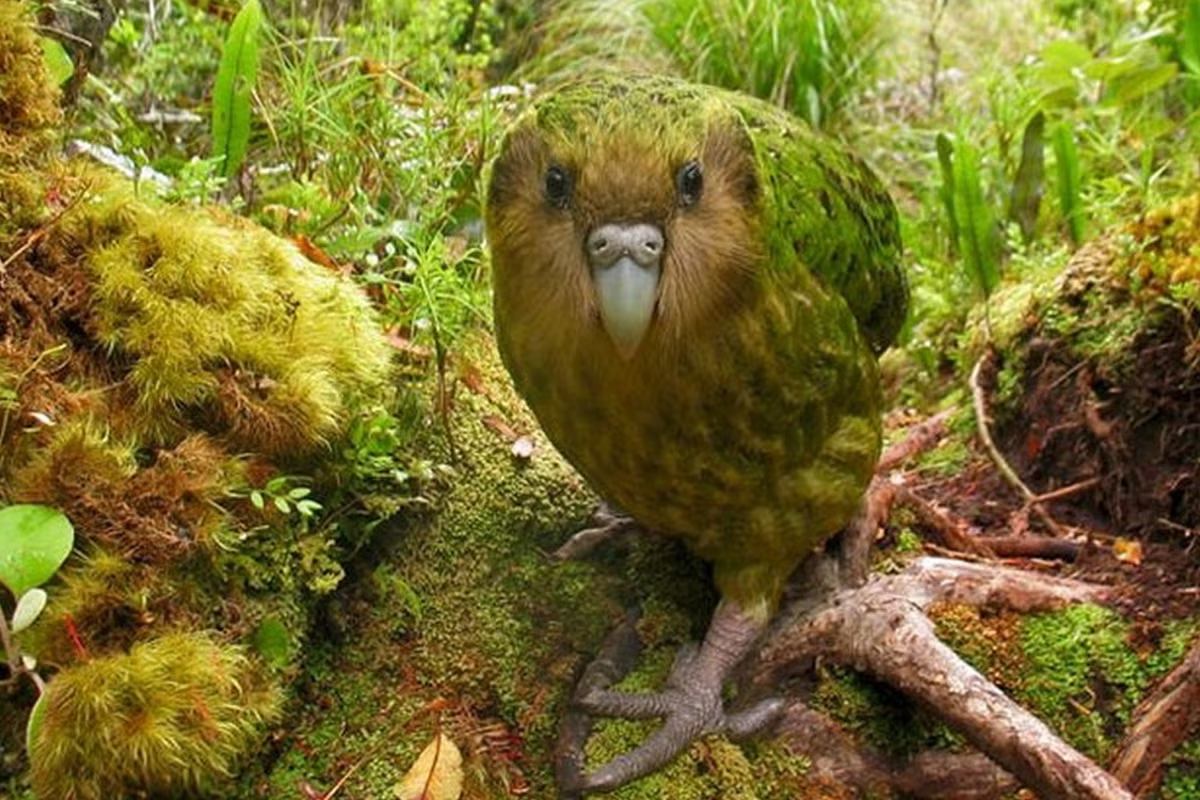




























































New Zealand’s critically endangered kākāpō is making a cautious comeback, thanks in part to innovative scientific efforts that are anything but conventional. Conservationists are now turning to assisted reproduction, including unusual techniques like abdominal “squeezing” and mild electrical stimulation, to help collect semen and artificially inseminate female birds—an approach that could be key to saving the world’s heaviest, flightless parrot.
The kākāpō, sometimes called the owl-parrot due to its facial disc and nocturnal habits, once teetered on the edge of extinction with just 51 birds remaining in the 1990s. That number has now increased to over 250, but challenges remain. The species is plagued by poor natural fertility. Only about 40 percent of eggs hatch successfully, and one in five males never reproduce. Much of this is due to a combination of factors, including inbreeding, an unusual polygynous mating system, and a dependency on sporadic rimu fruiting seasons for breeding.
In response, the New Zealand Department of Conservation has embraced artificial insemination as a means of preserving genetic diversity and boosting reproductive success. The first breakthrough came in 2009, when kākāpō became the first wild bird species in the world to be artificially inseminated successfully. But replicating that success proved difficult. It wasn’t until a decade later, in 2019, that further progress was made—this time with help from German specialists in avian reproduction.
To extract semen from male kākāpō, researchers gently restrain the bird, covering its head and wings to reduce stress, and position it in a custom-fitted container made from a cut water bottle. Then, using rhythmic abdominal pressure or a patented multipolar electrical probe, ejaculation is induced. The semen is tested on-site and, if viable, is used immediately for insemination.
This approach has already shown promise. Four chicks were born from artificial insemination in 2019, including offspring from previously non-reproductive males carrying rare Fiordland genes. The Department of Conservation has since repeated the process during the 2022 breeding season and is planning to scale up efforts again in 2026. Scientists are especially focused on preserving the genetic traits of underrepresented founder birds whose DNA is vital for the species’ long-term survival.
Artificial insemination is just one of many interventions used in the broader recovery strategy. All remaining kākāpō were relocated to predator-free islands decades ago. Nest monitoring, supplementary feeding, and genome sequencing also play a role. In 2023, some birds were even reintroduced to protected mainland sanctuaries like Maungatautari to test the feasibility of long-term repopulation outside island refuges.
Each kākāpō breeding season is an opportunity—especially since the birds only mate every few years, depending on food availability. With lifespans that can reach 90 years, even modest improvements in fertility can have long-term effects. Scientists hope that with continued innovation and patience, these charismatic birds will thrive once again in New Zealand’s forests.