


























































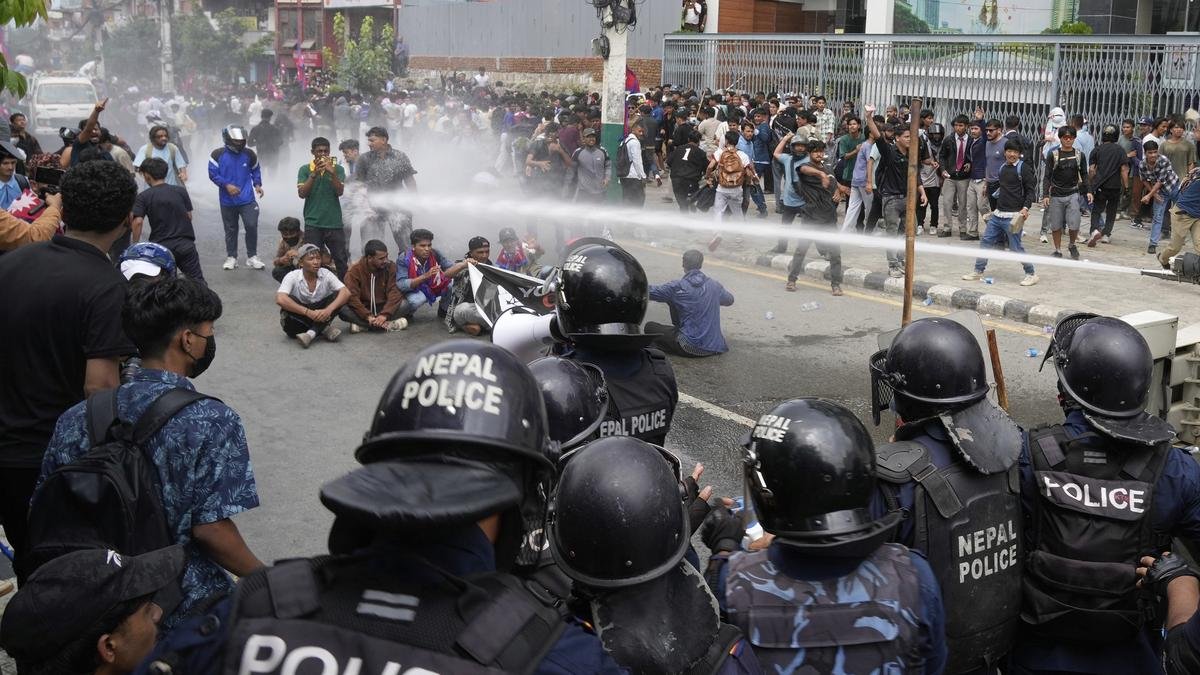
A wave of protests in Nepal has resulted in the tragic deaths of at least 14 individuals, sparked by the government’s recent imposition of a ban on social media platforms. This unrest has raised significant concerns regarding freedom of expression and civil liberties in the country. The protests began as citizens expressed their outrage over the sudden restrictions, which many perceive as an attempt to stifle dissent and control the flow of information. Demonstrators have taken to the streets, demanding the reversal of the ban and advocating for their rights to access and share information freely.
The situation has escalated rapidly, with clashes reported between protesters and law enforcement. Eyewitness accounts describe scenes of chaos, as police attempted to disperse crowds using tear gas and other crowd-control measures. The government’s response has drawn widespread criticism, with human rights organisations condemning the violence and calling for accountability. Activists have warned that the suppression of social media could have far-reaching consequences for democratic processes in Nepal, particularly in light of upcoming elections.
In a related development, the Supreme Court of India has issued a significant ruling regarding the use of the Aadhaar identification system. The court determined that Aadhaar should be recognised as a valid proof of identity in various contexts, including the Social Impact Review (SIR) exercise. This decision has important implications for millions of residents, as Aadhaar is a biometric system that assigns a unique identification number to individuals based on their biometric and demographic data.
The ruling comes amid ongoing debates about privacy and data security associated with Aadhaar. Critics have raised concerns about the potential for misuse of personal data and the risks of exclusion for those unable to secure an Aadhaar number. Nevertheless, the Supreme Court has maintained that Aadhaar is a crucial tool for ensuring transparency and accountability in government services, particularly in welfare schemes aimed at reducing poverty and promoting social equity.
The court’s decision reflects a balancing act between the need for robust identification systems and the imperative to safeguard individual rights. As India continues to navigate the complexities of digital governance, the implications of this ruling will be closely monitored, especially as the government expands its reliance on technology in public services.
In other news, global attention is focused on ongoing developments in various regions, with leaders grappling with economic challenges and geopolitical tensions. The international community is watching closely as countries seek to balance national interests with the need for cooperation on pressing issues such as climate change and public health.
As the world grapples with these challenges, the events in Nepal and the Indian Supreme Court’s ruling on Aadhaar highlight the delicate interplay between governance, civil liberties, and the role of technology in society. The outcomes of these situations could set important precedents for future policy decisions, both in South Asia and beyond.
The protests in Nepal are a stark reminder of the power of collective action and the importance of safeguarding democratic principles. The response of the government, along with the international community’s reaction, will be pivotal in shaping the future of civil rights in the region. As citizens continue to demand accountability and transparency, the potential for change remains alive, underscoring the vital role of public discourse in democratic societies.
As these stories unfold, they will undoubtedly continue to capture the attention of the global audience, highlighting the interconnectedness of local actions and international norms.