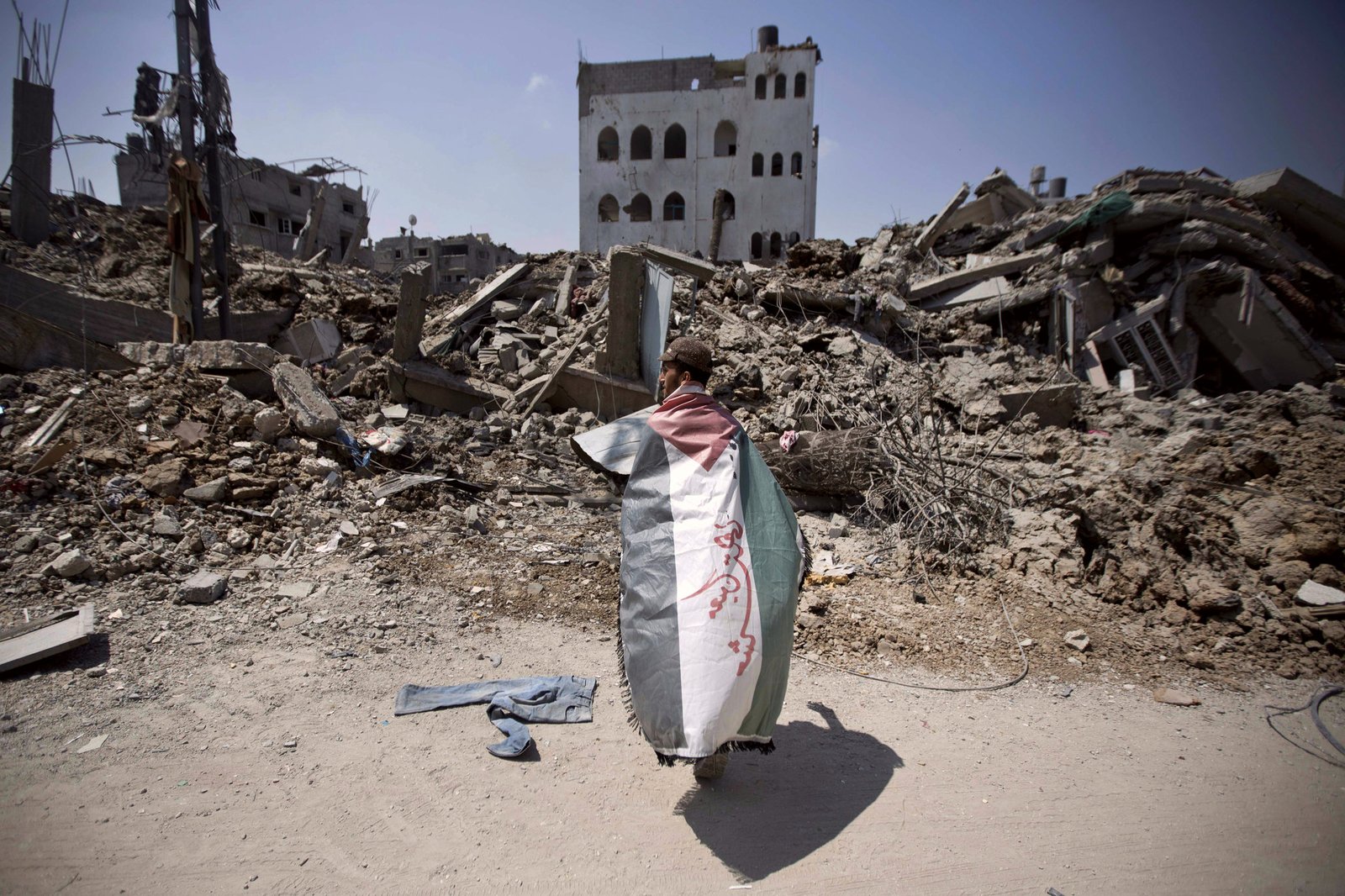
As we bear witness to the relentless offensive against the Gaza Strip, the mere recognition of Palestine’s existence feels like a superficial gesture, as hollow as the rebukes from leaders in the West regarding Israel’s escalating transgressions. The situation in Palestine is dire, with the relentless assault from Israel causing widespread destruction and loss of life. It is a situation that is not eased by mere recognition but requires a far more decisive and effective strategy, such as the imposition of sanctions against Israel, to bring about a halt to the violence.
The Israeli-Palestinian conflict is a protracted political and territorial dispute that has been ongoing for more than a century. At the heart of this conflict are two self-determination movements — the Zionist project, established with the aim of creating a homeland for Jews in response to centuries of persecution, and the Palestinian nationalist movement, which developed in resistance to both British rule and Zionist colonialism.
Tensions between the two groups intensified following the 1947 United Nations Partition Plan, which sought to divide British-ruled Palestine into separate Jewish and Arab states. The failure of this plan led to the 1948 Arab-Israeli War, which resulted in Israel seizing more territory than initially allocated under the UN proposal. In the decades since, Israel has maintained control over these territories, leading to a protracted and bitter conflict marked by sporadic outbreaks of violence.
The recognition of Palestine as a sovereign state, while a significant step toward legitimizing its national identity, does not adequately address the realities of this conflict nor does it provide a solution to the ongoing violence. Instead, it serves as a distraction from the more pressing need for concrete action to curtail Israel’s increasingly hostile actions.
The impact of Israel’s actions on the Palestinian population has been devastating. With each passing day, the situation worsens, characterised by the tragic loss of innocent lives and the destruction of homes and infrastructure. Observing the devastation wrought upon my people, it is clear that verbal condemnations from the West are inadequate, lacking the weight and substance required to effect real change.
Western leaders need to move beyond mere recognition and condemnation to take decisive action. Sanctions have long been used as a tool to curb human rights abuses and aggression by nations. They have been effective in cases like apartheid-era South Africa, where international pressure was instrumental in bringing about change. Similarly, sanctions could act as a powerful deterrent against Israel, compelling it to cease its aggression and engage in constructive dialogue toward a peaceful resolution.
However, the implementation of sanctions is not a decision to be taken lightly. It requires careful consideration of potential implications, both for the target nation and the global community at large. Nonetheless, in a situation as desperate as that of Palestine, where diplomatic efforts have repeatedly failed and the human toll continues to mount, sanctions may be the most effective tool at our disposal.
Yet, even as some advocate for the imposition of sanctions, we must also recognise the need for a comprehensive strategy to address the root causes of the Israeli-Palestinian conflict. This includes advocating for the rights of Palestinians, supporting their legitimate struggle for self-determination, and promoting dialogue and cooperation between the two parties.
While the recognition of Palestine may symbolise a significant step towards acknowledging its national identity, it does not provide a sufficient solution to the ongoing violence and destruction. It is high time for Western leaders to move beyond mere recognition and condemnation and to consider more substantive measures such as sanctions. These, coupled with a comprehensive approach to address the root causes and complexities of the Israeli-Palestinian conflict, could provide a path towards a sustainable peace.