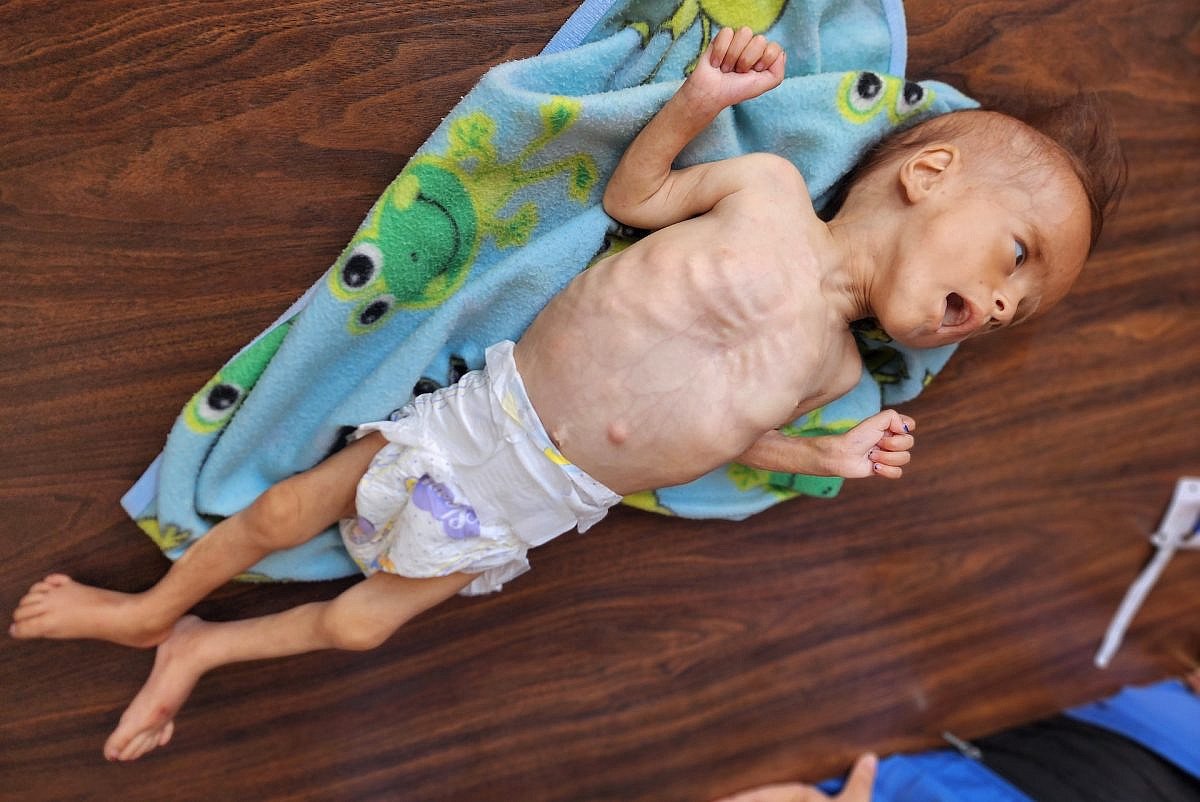

























































The international humanitarian organization Oxfam has issued a scathing condemnation of global governments, accusing them of turning a blind eye as over two million civilians in Gaza face starvation under what the group calls a “deliberate” Israeli policy.
Bushra Khalidi, Oxfam’s policy lead in the occupied Palestinian territory, said the situation unfolding in Gaza is not simply a humanitarian crisis but the result of intentional political decisions aimed at punishing the entire population. “A civilian population of two million people are dying slowly before the world’s eyes, and nobody does a thing,” Khalidi said. “This is not a humanitarian failure. This is a deliberate policy.”
The crisis comes amid Israel’s ongoing military campaign in Gaza, now stretching over 21 months, following the Hamas-led attacks of October 7, 2023. The blockade imposed by Israeli forces, coupled with heavy bombing and restricted humanitarian access, has devastated infrastructure, food distribution systems, and medical care in the densely populated strip.
In recent months, food scarcity has become so dire that the United Nations has warned of an impending famine, particularly affecting children and pregnant women. The Gaza Health Ministry has reported dozens of deaths due to hunger, malnutrition, and dehydration — especially among infants and the elderly.
Oxfam’s Khalidi expressed concern over the growing role of the Gaza Humanitarian Foundation (GHF), a controversial aid initiative backed by the U.S. and Israel that has increasingly supplanted traditional UN agencies in coordinating relief deliveries. According to Oxfam, this shift in control has turned basic aid — particularly food — into “a deadly trap,” with civilians often forced to risk their lives under gunfire while trying to access it.
“We are witnessing massacres every single day,” Khalidi stated. “And the world’s response has been shamefully muted. They [governments] are not addressing the real and urgent needs of Palestinians in Gaza.”
GHF has been criticized by human rights organizations and aid groups for its use of private contractors and military zones in distributing food. Several deadly incidents have occurred near GHF distribution points, where desperate civilians have been killed by Israeli fire, sometimes under unclear circumstances. In contrast, UN-affiliated aid convoys — when permitted — typically operate under international humanitarian protocols.
Khalidi called on governments that claim to uphold human rights to move beyond words and take decisive action. “Stop waiting. There’s no time left. If you are a government that claims to follow human rights, you need to act now. We are begging you,” she implored.
Despite growing public outrage and repeated warnings from the United Nations, the international response has largely focused on calls for “temporary ceasefires” and increased aid flows — measures that Oxfam argues fall drastically short of what is needed. Aid trucks, when they do get through, are often delayed by security checks or targeted by aerial strikes, further worsening the conditions for the 2.3 million people trapped in Gaza, more than half of whom are now internally displaced.
The humanitarian collapse in Gaza has been compounded by the near-total destruction of civilian infrastructure. Water and electricity are almost entirely cut off, hospitals are operating at minimal capacity, and sewage and waste management systems have broken down, increasing the risk of deadly disease outbreaks.
Oxfam’s call to action echoes those of several other international organizations, including Human Rights Watch and Médecins Sans Frontières (Doctors Without Borders), which have called for an immediate end to the blockade and the protection of humanitarian corridors. Yet, the political will among major global powers to intervene or push for binding international resolutions remains tepid.
As the war continues and the human cost mounts, Khalidi warned that the world may soon witness a catastrophe on an even greater scale if immediate and meaningful action is not taken.
“The people of Gaza are not collateral damage,” she said. “They are families, children, elders — and they are starving while the world debates policy.”
- Death Toll in Gaza: As of July 2025, the Hamas-run Gaza Health Ministry estimates over 58,000 Palestinians have died since the conflict began, with thousands more wounded and missing.
- UN Statements: UN officials have described Gaza as “uninhabitable” and say at least half of the population is now at risk of famine.
- International Law: Starvation as a method of warfare is prohibited under the Geneva Conventions. Some legal experts have warned that current actions in Gaza may constitute war crimes.
As international scrutiny intensifies, Oxfam and other humanitarian voices continue to pressure world leaders to act swiftly — not only to end the war, but to ensure basic human survival in Gaza.