







































Kenya’s annual high school drama festival descended into chaos this week as police clashed with students protesting the treatment of a politically sensitive play. The performance, Echoes of War, sparked a national debate after its politically themed narrative drew the ire of authorities, leading to its temporary disqualification and the arrest of its writer.
Set in a fictional kingdom riddled with youth frustration and corrupt leadership, Echoes of War mirrors real-world political unrest, including last year’s protests against tax hikes. The play features dramatized clashes with police and scenes that closely parallel events in contemporary Kenya. Its themes of resistance and repression resonated with many, especially young people demanding accountability from their leaders.
Initially barred from the national competition under unclear circumstances, the play was reinstated following a court ruling. However, tensions reached a boiling point in Nakuru on Thursday when students from Butere Girls High School, the play’s performers, staged a dramatic walkout. Their protest was sparked by the detention of Echoes of Warauthor Cleophas Malala, a former senator and now a vocal political figure.
Malala was allegedly prevented from meeting with the cast for final rehearsals and was later taken into custody. He was released without charge but expressed admiration for the students’ actions, describing their defiance as “an act of heroic restoration” and reaffirming his commitment to ensuring the play is performed publicly.
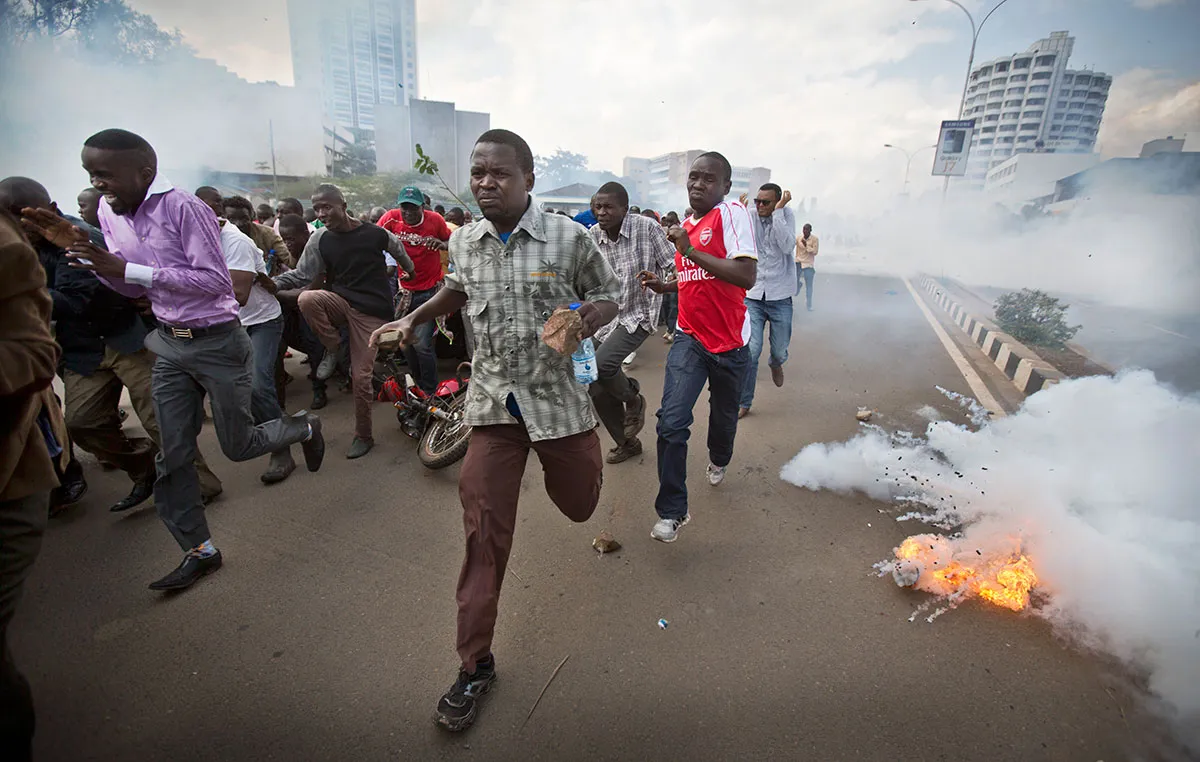
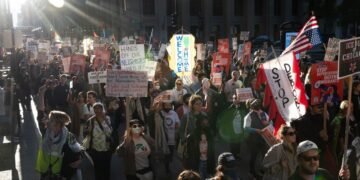
The students exited the venue singing the national anthem as anti-riot police sealed off the hall. Outside, a large crowd gathered, hoping to witness the performance, but the assembly was quickly dispersed with tear gas.
The incident drew widespread criticism. Education Minister Julius Ogamba questioned why a politician was involved in a school drama production, implying that Malala’s role blurred the lines between politics and education. In contrast, human rights groups like Amnesty International condemned the state’s heavy-handed response as part of a wider pattern of suppressing free expression. Opposition leaders also weighed in, with Kalonzo Musyoka criticizing the use of force near students, while the Orange Democratic Movement demanded that the play be allowed to proceed.
At the heart of the controversy lies a recurring theme in Kenyan civil discourse: the tension between youthful activism and state authority. The play’s depiction of a despotic regime silencing dissent has struck a powerful chord in a country where many young people are increasingly vocal about their demands for reform and transparency.
Whether Echoes of War will reach the final stage of the national competition—traditionally held at State House and attended by the president—remains uncertain. The episode has nonetheless revived debates over artistic freedom, political interference, and the role of youth in shaping the country’s future.
This is not the first time Cleophas Malala’s plays have stirred political controversy. In 2013, his work Shackles of Doom, also performed by Butere Girls, was banned by the government before being reinstated by court order. Since then, Malala’s prominence has grown—not only as a playwright but as a political figure who now frequently finds himself at odds with the current administration.