
















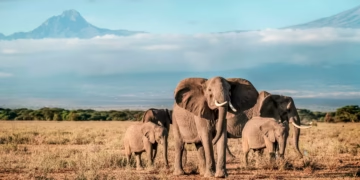












































As the number of elephants in Kenya experiences a significant rise, there has been a corresponding escalation in the conflict between humans and these giant mammals. The tension is particularly intense among the human populace that resides along the well-worn pathways which the elephants regularly traverse during their migration. To mitigate this conflict, many Kenyan farmers have opted for innovative, yet secure techniques to prevent these large creatures from feasting on their fields. The importance of such measures is highlighted annually on the 12th of August, which is observed globally as World Elephant Day.
The escalating clash between humans and elephants in Kenya is a direct result of the burgeoning pachyderm population. Historically, elephants have been a common sight in Kenya, with their numbers steadily growing over the years. The country’s national parks and reserves provide a natural sanctuary for these majestic beasts, encouraging their population growth. However, this success story has also caused unexpected repercussions.
The elephants’ migratory routes often intersect with human habitation, particularly in areas where farming is the primary source of income. Regardless of the time of year, it’s not unusual for these gigantic creatures to wander into farmlands, causing substantial damage to crops and sometimes even physical harm to the farmers. This often leads to retaliatory actions from the farmers, which can result in grave harm to the elephants.
This escalating conflict necessitated the creation of solutions that would ensure peaceful coexistence between humans and elephants. It was in response to this need that some ingenious Kenyan farmers began to explore unique and safe methods to keep the elephants at bay. Foregoing traditional techniques, which often involved harmful strategies like using fire or sharp objects, these farmers started experimenting with nature-friendly deterrents.
One of the most successful methods involved using natural barriers that elephants find unpalatable or uncomfortable to cross. For instance, planting crops that elephants dislike, such as chilli peppers, around the perimeter of the farm has proven to be an effective deterrent. The pungent smell and taste of the chillies are offensive to elephants, discouraging them from entering the fields. Another method involves the use of beekeeping. Elephants are known to fear bees and will avoid areas where they perceive a hive to be present. Thus, installing beehives around the farm’s perimeter can serve as a powerful deterrent, encouraging the elephants to seek food elsewhere.
These innovative solutions not only prevent elephants from causing damage to the farms, but they also provide additional benefits. Growing chillies and keeping bees can diversify the farmers’ sources of income, contributing to their economic stability. Moreover, these strategies are non-violent, ensuring the safety and wellbeing of both the farmers and the elephants.
The significance of these peace-promoting practices is highlighted annually on the 12th of August, observed globally as World Elephant Day. This international event aims to raise awareness about the urgent need to protect elephants and their habitats, and the importance of ensuring their peaceful coexistence with humans. The innovative strategies employed by Kenyan farmers are representative of the kind of human-elephant harmony that World Elephant Day seeks to promote.