


























































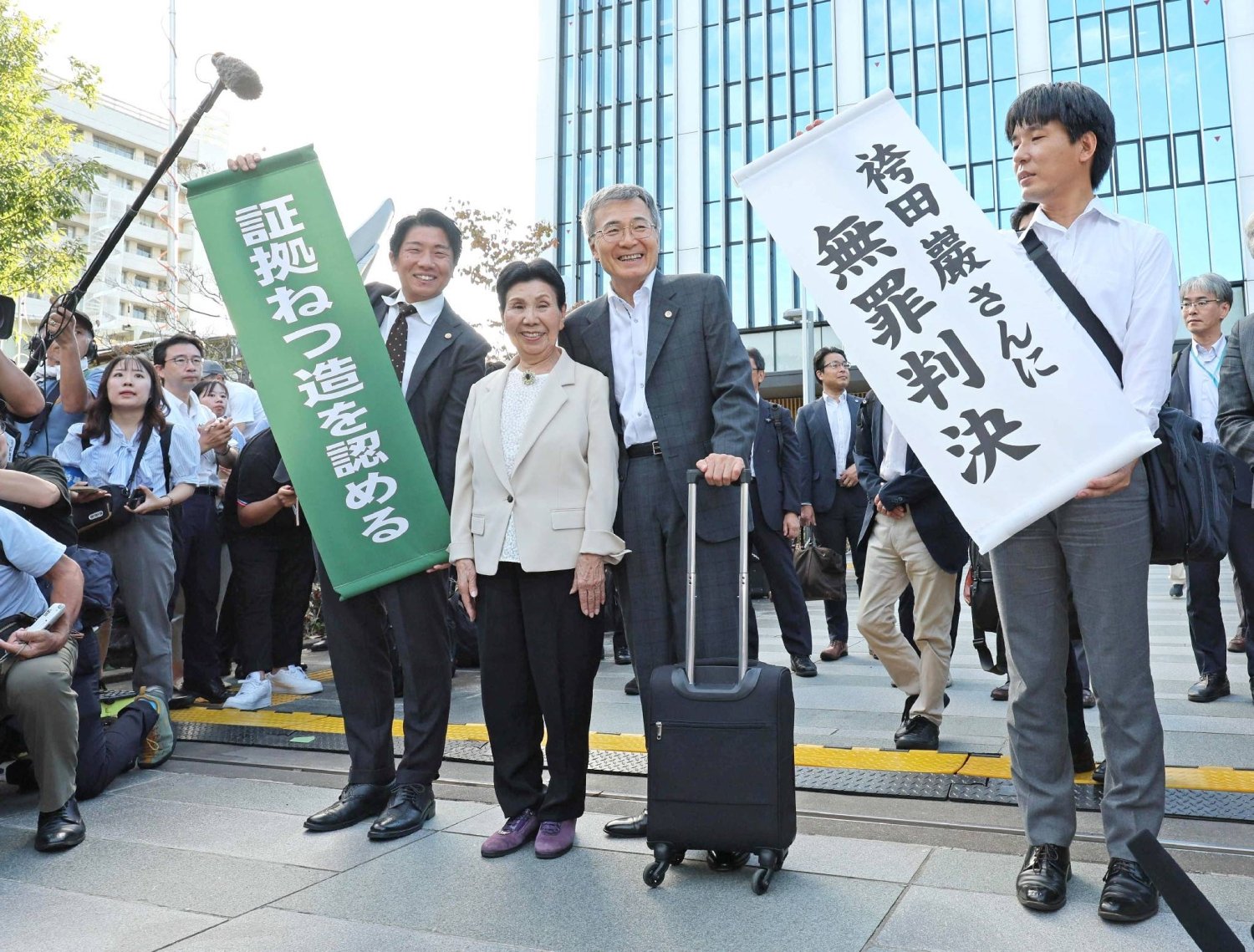
Iwao Hakamata, a man who spent nearly five decades imprisoned for a crime he did not commit, is set to file a damages claim amounting to ¥600 million (approximately £3.6 million). His legal team announced that this compensation is intended to cover lost earnings during his lengthy incarceration as well as medical and care expenses incurred since his release.
Hakamata was convicted in 1968 for the murder of a family in Shizuoka Prefecture, a case that was later deemed flawed due to unreliable evidence and questionable police practices. His conviction was based largely on a confession that Hakamata later recanted, asserting it was coerced under duress.
In March 2023, Japan’s Supreme Court upheld a lower court’s ruling that acquitted Hakamata, recognising the lack of credible evidence against him. This landmark decision marked a significant moment in Japan’s judicial history, highlighting ongoing concerns about wrongful convictions within the country’s legal system.
His case has drawn international attention and sparked discussions regarding the integrity of Japan’s criminal justice system, particularly concerning the use of confessions obtained through aggressive interrogation techniques. The case has also raised awareness about the psychological and physical toll that prolonged imprisonment can take on individuals, especially in cases of wrongful conviction.
Following his release in 2014, Hakamata faced numerous challenges as he reintegrated into society after spending 47 years behind bars. The psychological impact of his ordeal and the struggle to adapt to life outside prison have been significant. His legal representatives contend that the government bears responsibility for the extensive hardships Hakamata endured during his wrongful imprisonment.
The damages claim not only seeks compensation for Hakamata’s lost income but also aims to address the broader implications of wrongful convictions in Japan. His case has become emblematic of the need for reform in the country’s justice system, where the conviction rate is notably high, often attributed to a reliance on confessions and limited resources for legal defence.
The issue of wrongful convictions is not unique to Japan. Many countries grapple with similar challenges, prompting calls for reform in legal processes to ensure fair trials and the protection of individuals’ rights. The global discourse on this topic continues to evolve, with advocates pushing for greater transparency and accountability within judicial systems.
Hakamata’s pursuit of compensation reflects a growing awareness and acknowledgment of the trauma experienced by those wrongfully convicted. As public interest in his case remains strong, it serves as a catalyst for discussions on justice reform, accountability, and the need for comprehensive measures to prevent such miscarriages of justice in the future.
The outcome of Hakamata’s claims could have significant implications, not only for his personal circumstances but also for the broader conversation about wrongful convictions and the necessary reforms within Japan’s legal framework. As the case unfolds, it is likely to attract further scrutiny and debate, both domestically and internationally, regarding the rights of individuals wrongfully accused and incarcerated.