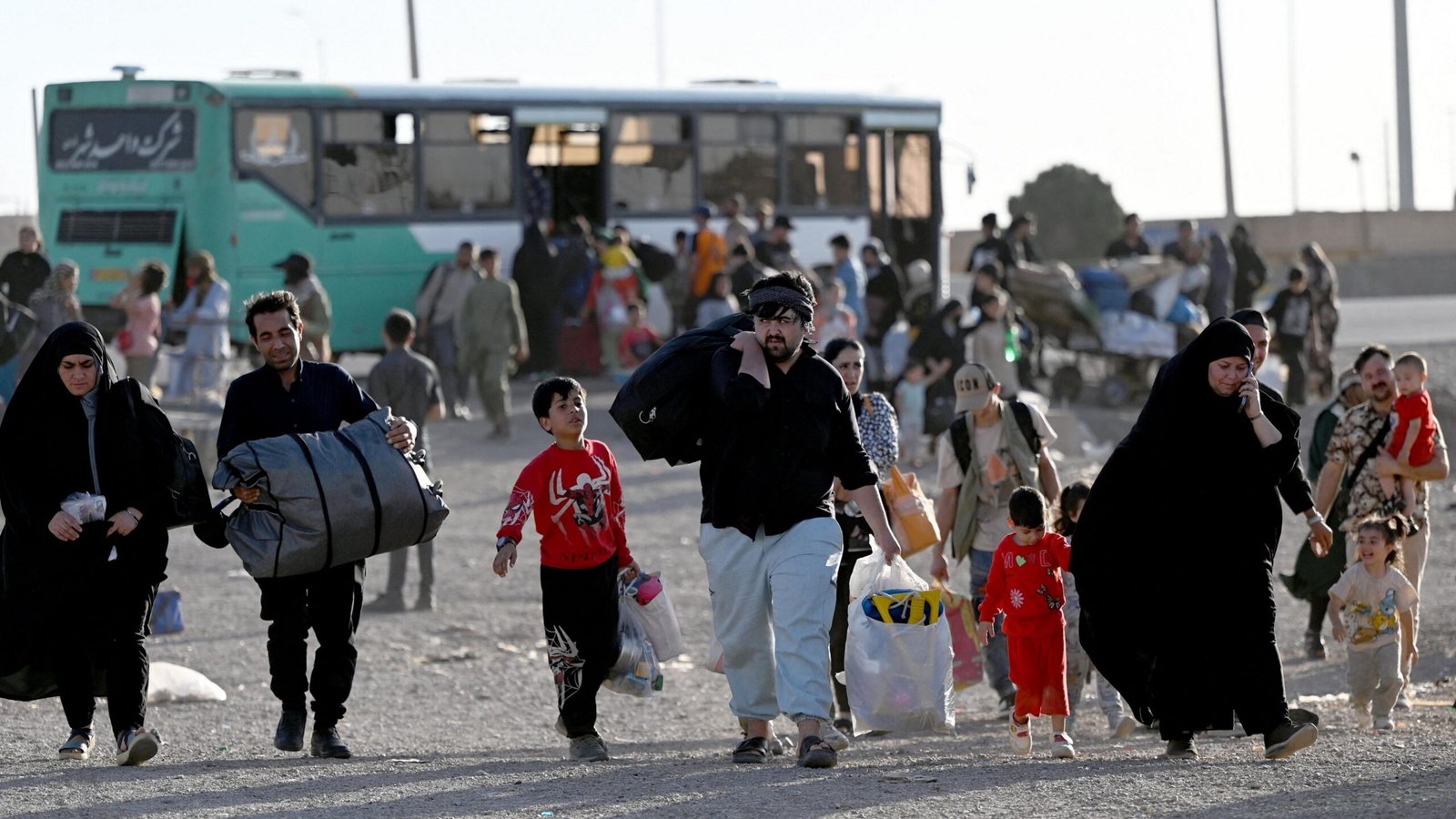



















































The Islamic Republic of Iran is facing mounting international criticism as it intensifies mass deportations of Afghan refugees and migrants following the conclusion of its 12-day war with Israel in June. According to the United Nations’ International Organization for Migration (IOM), over 1.5 million Afghan nationals have already been returned to Afghanistan in 2025, with more than 410,000 of those deported after June 24 alone. Aid organizations, including the Red Cross, warn that over one million more could be expelled by year’s end.
Iran has long been a refuge for Afghans fleeing decades of war, instability, and economic turmoil. Prior to the recent deportation surge, officials estimated more than 6.1 million Afghan refugees and migrants were residing in the country—though only 780,000 had been granted formal refugee status. The rest remain in legal limbo, with limited rights and growing vulnerability.
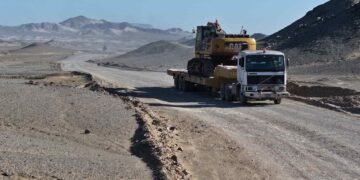
The situation has worsened dramatically since Iran’s conflict with Israel, which killed over 1,000 people inside the country, many of them civilians. In its aftermath, Tehran has taken sweeping security and policy steps to tighten border controls, citing alleged national security threats and economic strain. One of these measures includes the construction of a border wall with Afghanistan and Pakistan aimed at stopping unauthorized migration, as well as drug and fuel smuggling.
In parallel, Iran’s parliament is advancing plans to establish a national migration organization to centralize control over the country’s immigration policy and enforcement—effectively institutionalizing the mass deportation campaign.
For many Afghan migrants, daily life has become increasingly perilous.
“I feel like we’re being singled out because we’re easy targets and don’t have many options,” said Ahmad, a 27-year-old undocumented Afghan worker in Tehran. Living in fear of arrest and deportation, he avoids leaving the building where he works as a custodian. With no legal identity, he earns the equivalent of just $80 a month, paid through an Iranian intermediary.
Human rights groups and UN special rapporteurs have condemned the mass expulsions, warning they violate international law. Mai Sato, the UN’s special rapporteur on Iran, emphasized that returning refugees to Taliban-ruled Afghanistan places them at serious risk of persecution and violence, particularly women, children, and ethnic or religious minorities.
State-run media and officials have defended the crackdown, citing alleged links between undocumented migrants and foreign intelligence agencies. In recent weeks, Iranian authorities claimed some Afghan nationals had collaborated with Israel’s Mossad, airing televised confessions from unidentified detainees. However, the number of cases publicized is minuscule compared to the scale of the deportations, prompting questions over whether security concerns are being used to justify mass removals.
Despite the government narrative, lawmakers like Mohammad Mannan Raeesi, representing the conservative city of Qom, have publicly noted that none of the confirmed Israeli spies have been Afghan. Raeesi also acknowledged the sacrifices of Afghans who fought alongside Iran’s forces and urged caution to avoid xenophobia in policy enforcement.
The expulsions are occurring alongside deepening economic hardship within Iran. A weakened currency, high inflation, and subsidy burdens have prompted resentment among segments of the Iranian population toward Afghan migrants, many of whom are blamed—without evidence—for rising crime and social unrest. Social media has amplified these sentiments, with trending hashtags promoting the deportations as a “national demand.”
There are no official statistics to confirm these public opinions, but reports of abuse during deportations are growing. Several deportees have told Afghan news outlets they were beaten, humiliated, or forcibly removed from their homes. Others said they were denied access to wages, personal belongings, or housing deposits prior to being bussed to the Afghan border.
Alarmingly, even Afghans with legal residency have been caught in the wave. There are accounts of police shredding identification documents before expelling their holders. Iranian authorities claim such cases are being investigated and insist the campaign targets only undocumented individuals. Yet, Interior Minister Eskandar Momeni admitted that over 70% of those returned did so “voluntarily” under pressure after the government announced a deadline in early July.
Life for those who remain in Iran continues to deteriorate. Afghan nationals are banned from entering dozens of cities, often denied work permit renewals, and are unable to own property, vehicles, or even mobile phone SIM cards. Even children face hurdles accessing public education. Citizenship remains inaccessible for the vast majority—only those with an Iranian mother or an Iranian husband are eligible to apply.
For Zahra Aazim, a 22-year-old Afghan-born woman living in Tehran, the erosion of rights has become personal. Born in Iran to a family that settled there more than four decades ago, she remains legally stateless. “What really bugs me is that I was born here, but I can’t get something as basic as a driver’s license,” she said.
Zahra, who works as a teacher and video editor, said the atmosphere turned more hostile after the war. She has received online threats and witnessed close friends descend into despair. One friend, overwhelmed by the hopelessness, even spoke of taking her own life.
Her 23-year-old brother was briefly detained by police while sitting in a café, suspected of espionage before being released. Zahra said that although she has Iranian friends, many of them now express resentment or remain silent in the face of rising xenophobia.
“I sense a lot of anger among the Iranian people,” she said. “When you can’t lash out against those in power above, you start to look for people at lower levels to blame.”
Despite the fear, Zahra still hopes for dignity and understanding. “I’m not saying don’t take action if you have security concerns about Afghan migrants,” she added. “But I just wish they would treat us with respect. Respect should never depend on nationality.”
As Iran pursues an increasingly aggressive stance toward its migrant population, the consequences are not only humanitarian but could also destabilize the fragile regional relationship with Afghanistan. Without international intervention or a significant shift in Tehran’s policies, the future for Afghan refugees in Iran remains bleak—and increasingly dangerous.