























































**India Tariffs, Package Deliveries, Social Security, FEMA, and Revolution Wind Project: Key Developments**
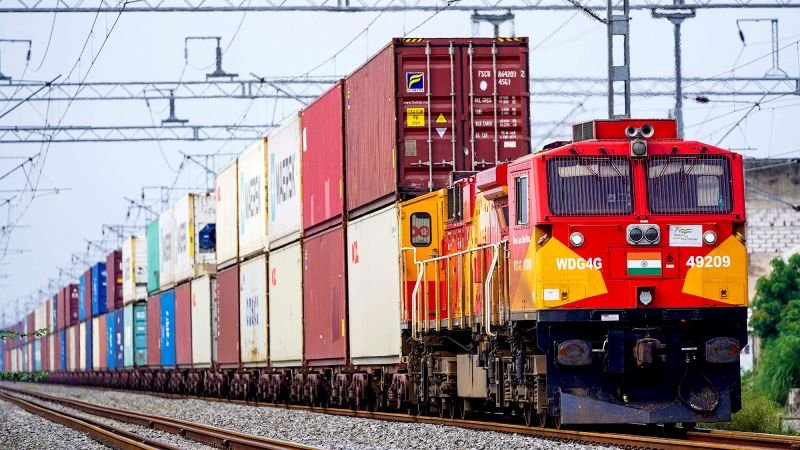
In a move that could significantly impact international trade and diplomatic relations, President Donald Trump has announced a substantial increase in tariffs on imports from India, escalating them to 50%. This decision is part of a broader strategy to penalise India for its continued importation of Russian oil, which the United States views as a means of financially supporting Moscow’s ongoing conflict with Ukraine. As the world’s fifth-largest economy, India’s economic policies and trade practices are closely monitored by global powers, and this tariff hike could strain its relationship with the United States, one of its most significant trading partners.
The repercussions of this tariff increase could be far-reaching, potentially affecting consumer prices in the United States and complicating trade dynamics. India has already indicated that it might respond with retaliatory tariffs on American goods, which could particularly impact industries such as chemicals, oils, gases, and aerospace products—key sectors in US exports to India. This development comes at a time when global supply chains are still recovering from disruptions caused by the COVID-19 pandemic, and any further trade tensions could exacerbate existing challenges.
In another significant policy shift, the Trump administration is set to eliminate the “de minimis” tariff exemption, which previously allowed goods valued at $800 or less to enter the United States duty-free. This exemption has facilitated a substantial volume of international trade, with over 1.36 billion shipments entering the US under this provision in the last fiscal year. The removal of this exemption is expected to disrupt package deliveries from numerous countries, including Austria, Australia, Belgium, Germany, India, Japan, New Zealand, South Korea, Taiwan, and Thailand, all of which have suspended some parcel shipments to the US in response.
This policy change could have significant implications for e-commerce and international trade, as businesses and consumers may face increased costs and delays in receiving goods from abroad. The de minimis exemption has been a crucial component of cross-border trade, enabling small and medium-sized enterprises to engage in international commerce with reduced regulatory burdens. Its removal could lead to increased administrative costs and complexities for businesses, potentially stifling growth and innovation in the sector.
Meanwhile, a whistleblower complaint has raised serious concerns about data security within the US government. According to Charles Borges, the chief data officer at the Social Security Administration (SSA), employees at the Department of Government Efficiency (DOGE) created a live copy of Social Security records for over 300 million Americans and uploaded the data to a cloud computing server that was vulnerable to breaches. This database contained sensitive personal information, including names, Social Security numbers, dates of birth, addresses, citizenship status, and parental details, and reportedly lacked adequate security oversight.
The potential exposure of such a vast amount of personal data has sparked alarm among privacy advocates and lawmakers. Data security has become an increasingly critical issue in the digital age, with cyberattacks and data breaches posing significant risks to individuals and organisations alike. The SSA has stated that the data has been isolated from the internet and is being monitored by staff, but the incident underscores the need for robust cybersecurity measures to protect sensitive information from unauthorised access and misuse.
In another development, the Federal Emergency Management Agency (FEMA) has placed several employees on administrative leave following their involvement in a letter to Congress criticising the Trump administration’s overhaul of the agency. The letter, known as the “Katrina Declaration,” warned of potential catastrophic failures in disaster response due to the administration’s policies. While over 180 current and former FEMA employees signed the letter, most did so anonymously, with only 36 signing publicly.
This move by FEMA echoes similar actions taken earlier in the year at the Environmental Protection Agency (EPA), where approximately 140 employees were suspended after expressing concerns about the administration’s treatment of federal workers and its regulations on climate and public health. These incidents highlight the tensions between federal employees and the administration, as well as the challenges faced by agencies tasked with safeguarding public welfare and responding to emergencies.
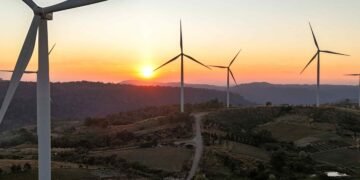
The halt of the Revolution Wind project off the coast of Rhode Island marks another significant decision by the Trump administration. The project, which was expected to provide renewable energy to power over 350,000 homes in Rhode Island and Connecticut, has been paused by the Bureau of Ocean Energy Management due to “concerns related to the protection of national security interests.” This decision has raised concerns about the potential economic impact on the region and the future of renewable energy projects in the United States.
Connecticut Governor Ned Lamont has expressed his dismay, stating that the halt could harm the state’s economy and undermine regional grid reliability. The Revolution Wind project, developed by Ørsted Americas, supports more than 2,500 US workers and represents a significant investment in the transition to clean energy. The suspension of the project comes at a time when the United States is seeking to reduce its reliance on fossil fuels and increase its use of renewable energy sources to address climate change and enhance energy security.
These developments reflect broader trends and challenges in international trade, data security, federal agency operations, and renewable energy. As the world navigates complex geopolitical dynamics and technological advancements, the decisions made by governments and organisations will have far-reaching implications for economies, societies, and the environment. The outcomes of these policies and initiatives will shape the future of global commerce, privacy, disaster response, and sustainable development.