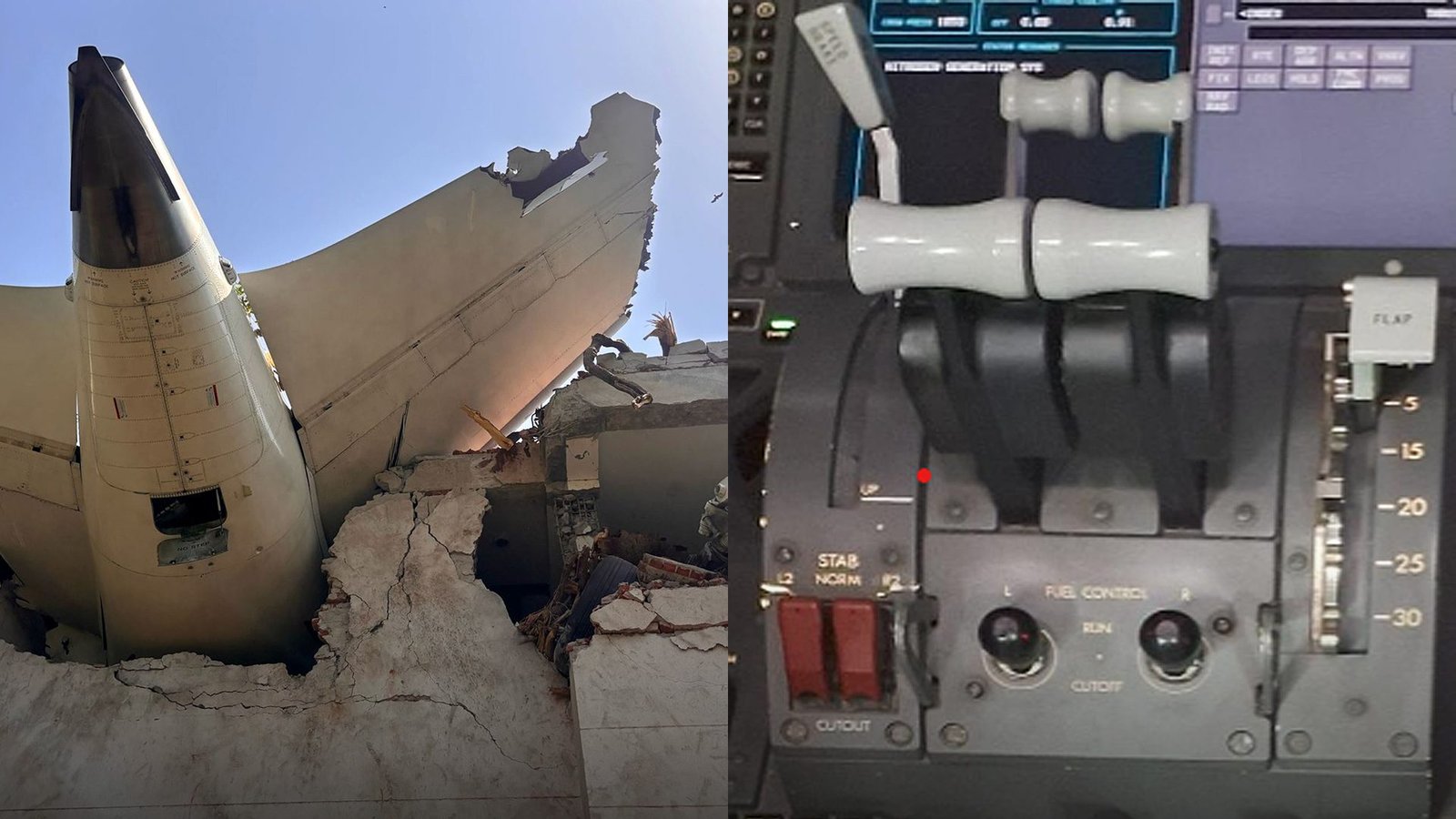





























































Air India has concluded precautionary inspections of its Boeing 787 and 737 fleets, reporting no mechanical faults in the fuel control switch locking mechanisms. The checks come in response to the ongoing investigation into a catastrophic crash involving an Air India-operated Boeing 787 jetliner that claimed the lives of 241 people on board and 19 others on the ground.
In a statement issued Tuesday, Air India confirmed that it had conducted comprehensive checks across all relevant aircraft, stating: “In the inspections, no issues were found with the said locking mechanism.” These voluntary inspections began on July 12, days after a preliminary report from India’s Aircraft Accident Investigation Bureau (AAIB) raised concerns about the possible role of fuel control switches in the fatal incident.
The crash, which occurred shortly after takeoff on a flight from Ahmedabad to London Gatwick, has drawn significant global attention. Data retrieved from the cockpit voice recorder suggests that both engines lost power after the switches controlling fuel flow flipped almost simultaneously from the “run” to the “cut-off” position.
Fuel control switches play a critical role in aircraft operation, allowing pilots to regulate fuel flow to the engines. These switches are typically used during engine start-up or shutdown on the ground, or in rare cases to manually manage in-flight engine failures. Given the safeguards built into modern aircraft systems, experts emphasize that switching fuel off mid-flight would generally require a deliberate and forceful action.
However, the AAIB report noted that unintentional movement of fuel cut-off switches had been flagged as a risk in a 2018 advisory by the U.S. Federal Aviation Administration (FAA). The advisory recommended inspections of locking mechanisms on several Boeing models, including the 787 Dreamliner, which was involved in the fatal crash.
The tragedy prompted India’s Directorate General of Civil Aviation (DGCA) to order all domestic airlines operating Boeing 787 and 737 aircraft to conduct similar inspections. Several foreign carriers and international regulators followed suit as a precautionary measure.
While both the FAA and Boeing have issued private communications reaffirming the safety of the locking mechanism, the incident has raised critical questions about cockpit safety protocols and mechanical reliability. The AAIB has warned against premature conclusions, emphasizing that investigations remain in progress and a final report will be released within a year.
According to a Reuters report, one source familiar with the cockpit recording alleged that the aircraft’s captain may have manually triggered the fuel cut-off, although this has not been verified. The AAIB continues to review all technical and human factors that may have contributed to the crash.
Air India, which operates a wide range of Boeing aircraft, including the twin-aisle 787 Dreamliner for long-haul international flights and the single-aisle 737s for its low-cost carrier Air India Express, has reiterated its commitment to safety and full cooperation with investigators.
The aviation community is closely monitoring the progress of the AAIB’s investigation, which may have far-reaching implications for pilot training, cockpit procedures, and mechanical safeguards across the Boeing fleet worldwide.