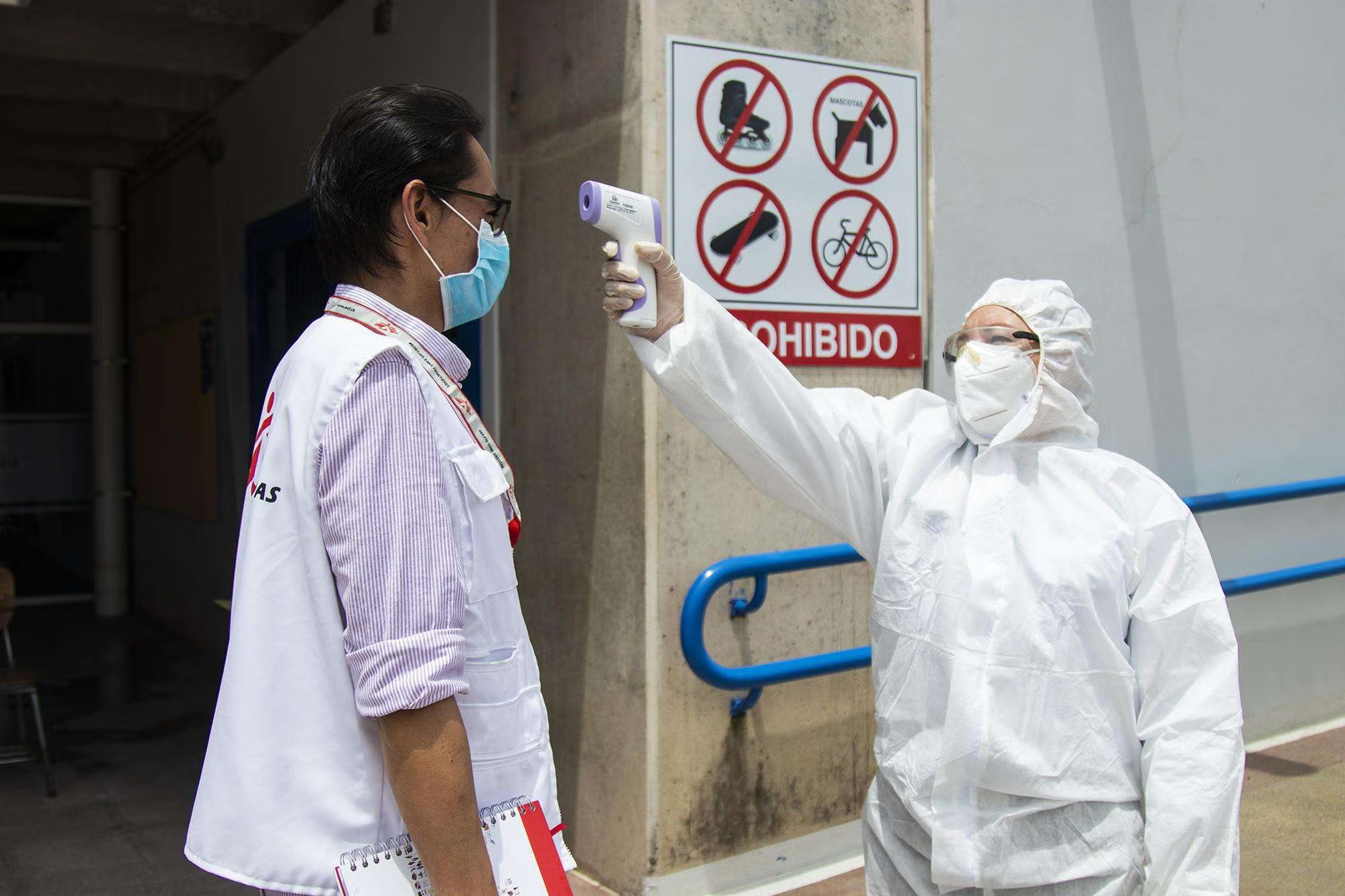



























































In response to a significant rise in respiratory illnesses across the country, the Honduran government has announced the temporary implementation of teleworking for public sector employees. The measure will be in effect on Thursday, July 24, and Friday, July 25, as authorities seek to control the spread of highly contagious viruses including COVID-19, influenza, respiratory syncytial virus (RSV), and the common cold.
The Ministry of the Interior, Justice, and Decentralization issued the directive on Tuesday, confirming that all central government institutions, including decentralized bodies and autonomous agencies such as the Central Bank of Honduras and the National Commission of Banks and Insurance, are required to comply. However, each agency’s leadership will retain discretion to designate essential staff for in-person duties if operationally necessary.
Exemptions to the telework policy have been granted for key sectors and critical services. These include security forces, healthcare and emergency medical units, as well as offices providing urgent public services or processing time-sensitive documentation. These institutions will continue operations during regular hours to ensure uninterrupted service to the population.
The directive is part of a coordinated public health effort supported by the Ministry of Health, which has raised alarm over the increasing number of respiratory infections being reported nationwide. Although exact figures were not disclosed, health authorities indicated that both urban and rural clinics are seeing a sharp increase in patient visits for respiratory symptoms.
In light of the surge, the government has also issued renewed guidance urging the public to adhere to basic biosecurity protocols. These include wearing face masks in crowded or enclosed public spaces, frequent handwashing, limiting attendance at large gatherings, and seeking medical attention promptly if symptoms such as coughing, fever, or shortness of breath develop.
This temporary shift to remote work is designed to help contain transmission, protect vulnerable populations, and alleviate mounting pressure on healthcare facilities. The Honduran health system has faced strain in past outbreaks, and officials are acting proactively to prevent hospital overcrowding.
Experts from the Ministry of Health warn that the convergence of multiple respiratory viruses during this period—particularly COVID-19 variants and seasonal influenza—poses a heightened risk of co-infections, which could lead to more severe outcomes for patients, especially children, the elderly, and individuals with pre-existing health conditions.
The decision to temporarily reduce physical presence in government offices reflects lessons learned during the pandemic and demonstrates a readiness to adopt preventative measures when public health is at risk.
This move follows similar strategies implemented by other countries in Latin America during spikes in viral infections, highlighting a growing regional trend toward flexible work arrangements during health crises.
Officials are expected to reassess the situation following the two-day remote work period, and additional measures could be introduced depending on epidemiological data.
For now, the message from authorities is clear: vigilance, personal responsibility, and early action are crucial to preventing a full-scale health emergency.