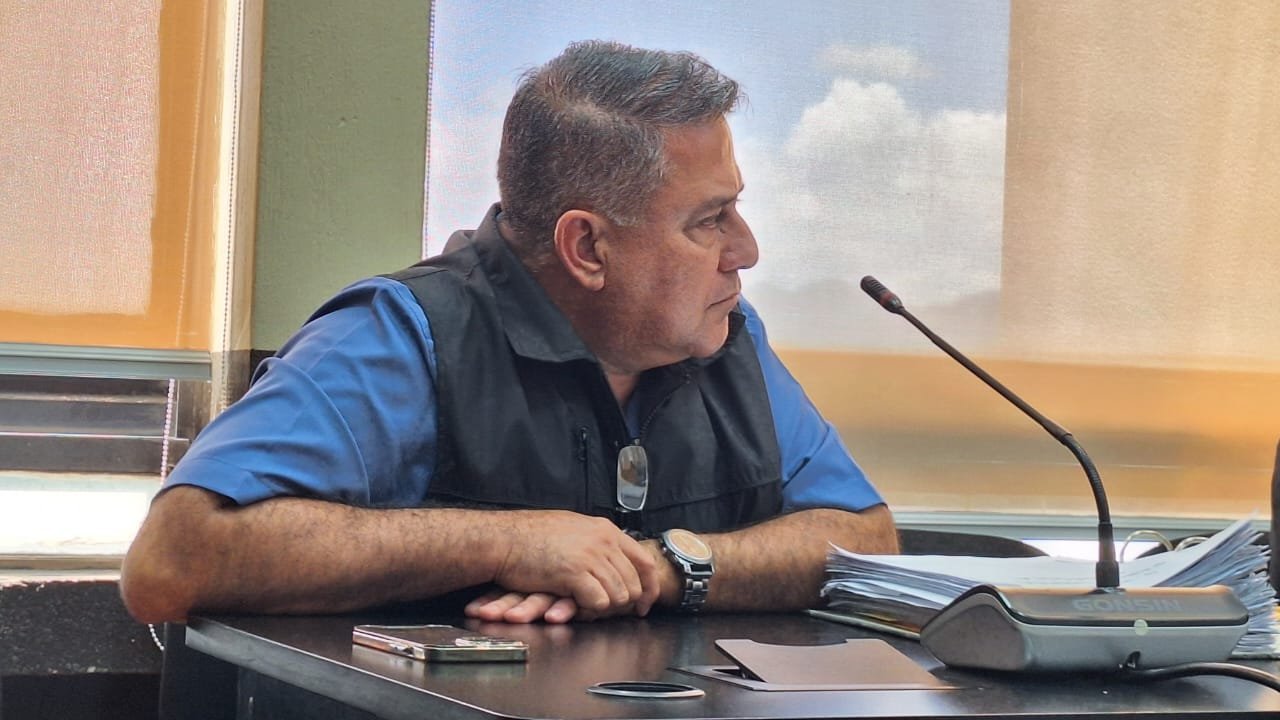











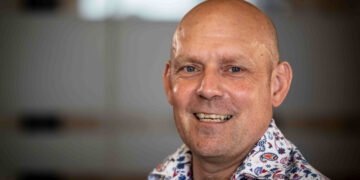




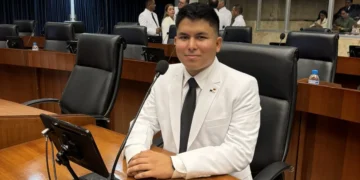







In a significant development in Guatemala’s ongoing crackdown on political corruption, former congressman Juan Pablo Urrea has been formally charged with influence peddling in connection with the high-profile “Assault on the Ministry of Health” case. A judge at the “D” High-Risk Court ruled on July 23, 2025, that Urrea must stand trial and will remain under house arrest as legal proceedings move forward.
Presiding Judge Abelina Cruz Toscano ordered that Urrea comply with several conditions as part of his pre-trial release. He must appear monthly before a court in Mixco to sign a register and has been required to pay a Q20,000 (approximately $2,560 USD) bond to remain under house arrest.
According to Guatemala’s Public Ministry (Ministerio Público, MP), Urrea is accused of exerting political pressure on then-Minister of Health Jorge Villavicencio, allegedly encouraging the appointment of two individuals connected to him in key administrative roles. These appointments, prosecutors argue, were part of a larger scheme to manipulate public contracting processes.
The charges against Urrea are part of a broader investigation into a criminal network that operated within the Ministry of Public Health between 2012 and 2014. Prosecutors say this structure was designed to control public works contracting and procurement of goods and services by strategically placing politically connected individuals in influential positions.
The illicit network is alleged to have facilitated the awarding of state contracts in exchange for bribes. Authorities estimate that approximately Q53.9 million (more than $6.9 million USD) was funneled through corrupt arrangements involving construction firms and ministry officials.
Investigators have linked the core of the scheme to former Health Minister Jorge Villavicencio and his daughter, Cándida Villavicencio Delgado. Although Villavicencio passed away from COVID-19 before he could stand trial, he remains a central figure in the corruption probe. Prosecutors allege he and his daughter led the effort to solicit illegal payments in exchange for contract awards, especially during the post-earthquake reconstruction efforts in San Marcos following a state of emergency declared in 2012.
The reconstruction campaign, which included the renovation and rebuilding of several hospitals damaged in the earthquake, provided ample opportunity for misappropriation of state resources. Prosecutors claim that multiple contracts were steered toward politically favored companies in exchange for kickbacks, and hospital staffing decisions were influenced by lawmakers’ personal and political interests.
Urrea’s involvement, according to the MP, underscores how deeply members of the Guatemalan Congress were entangled in the web of corruption. By leveraging his influence as a sitting member of Congress, Urrea allegedly bypassed normal hiring protocols, steering appointments and facilitating access to state contracts in exchange for personal or political gain.
This case marks yet another instance of Guatemala’s broader struggle with corruption in public institutions, particularly among the political elite. The Anti-Corruption Prosecutor’s Office and Special Prosecutor’s Office Against Impunity (FECI), both instrumental in bringing these cases to court, continue to face significant institutional pressure amid shifting political dynamics.
The “Assault on the Ministry of Health” case has generated widespread public outrage in Guatemala, a country where access to basic healthcare remains a daily struggle for many citizens. The idea that millions of dollars may have been siphoned off during a national health crisis — and at a time of natural disaster recovery — has further fueled demands for accountability.
The case remains under active investigation, with several current and former officials under scrutiny. Legal experts suggest more indictments may follow as financial records, internal communications, and testimonies from whistleblowers are analyzed.
As Urrea prepares to face trial, his case will likely serve as a litmus test for Guatemala’s judicial independence and its ability to hold powerful figures accountable in the face of entrenched political corruption. The outcome could have lasting implications not only for Urrea himself but also for the credibility of the country’s efforts to root out graft from its public institutions.