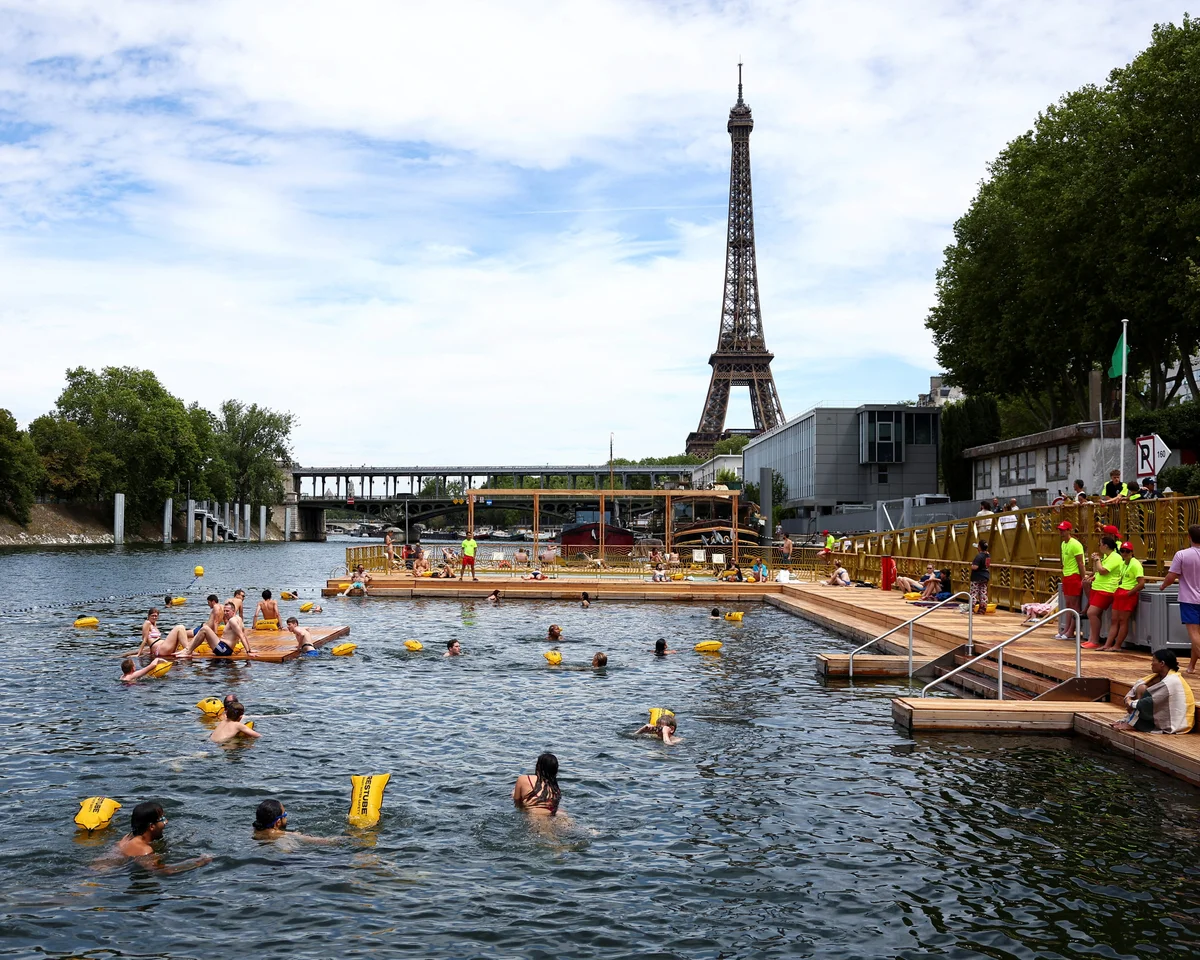


























































In a remarkable turn of events, the French capital, Paris, has seen an overwhelming response from its residents as thousands have taken to swimming in the River Seine. This development follows the city’s recent move to inaugurate three public bathing sites on the river, the first of their kind in over a century.
With a rich history dating back to ancient times, the River Seine has always held an iconic status in Paris. Flowing right through the heart of the city, the river has been a constant presence in the lives of Parisians, featuring prominently in art, literature, and daily life. However, public bathing in the river had been largely prohibited in recent history due to safety and pollution concerns.
The concept of public bathing is not new to Paris. In fact, it was a common practice for Parisians to bathe in the River Seine until the late 19th century. The river served as a communal bathing space, offering an opportunity for social interaction among the city’s inhabitants. However, with the advent of modern sanitation systems and concerns about river pollution, this practice gradually fell out of favour and was eventually banned.
Despite the ban, the city’s authorities never lost sight of the potential benefits of reintroducing public bathing in the River Seine. Therefore, in keeping with the city’s commitment to fostering a sense of community and promoting healthy outdoor activities, Paris decided to revisit this age-old tradition. After extensive planning and preparation, including efforts to improve the river’s water quality, the city opened three public bathing sites last month.
The response from the public has been overwhelming. Thousands of Parisians, eager to reclaim their historical connection with the river, have flocked to these sites since they opened. The popularity of these sites indicates the success of this initiative and the public’s desire to reengage with the River Seine in a meaningful and enjoyable way.
The success of the Seine bathing sites is also indicative of a larger global trend towards urban revitalisation and sustainable living. Cities around the world are increasingly recognising the value of their natural assets and are seeking ways to integrate them into the urban fabric. By offering residents access to natural bathing sites, Paris is leading the way in demonstrating how urban spaces can be transformed to enhance the well-being of their inhabitants.
In addition to the social and environmental benefits, the public bathing sites have also contributed to the city’s economy. With thousands of locals and tourists alike flocking to these sites, businesses in the surrounding areas have seen an uptick in patronage. This has stimulated local commerce, boosted tourism, and enhanced the overall vibrancy of the city.
However, it’s important to mention that the success of the bathing sites in the Seine is not just a testament to effective urban planning but also to the concerted efforts to improve the water quality of the river. The cleanliness and safety of the river waters have been a paramount concern for the city authorities, who have invested significantly in measures to reduce pollution and ensure the water is safe for public use.