






















































France and New Caledonia have reached what officials are calling a “historic” agreement that will see the Pacific archipelago remain part of France, while also being recognized as a distinct state. The 13-page accord outlines the creation of a New Caledonian nationality, which residents will be able to hold alongside their French citizenship.
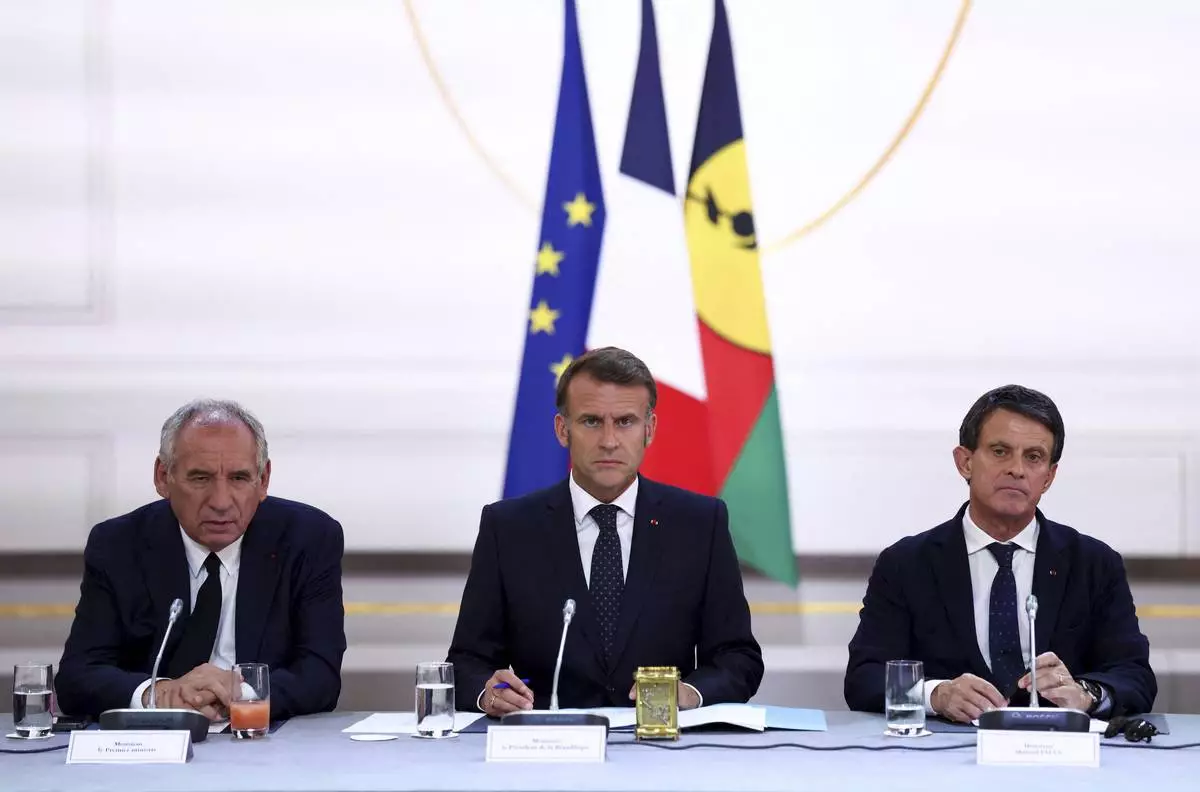
The agreement, announced on Saturday, follows 10 days of negotiations near Paris between French officials and a wide range of New Caledonian representatives, including elected leaders, civil society members, and economic stakeholders. French President Emmanuel Macron initiated the talks in an effort to resolve longstanding tensions between pro-independence groups and those supporting continued ties to France.
The deal proposes the establishment of a “State of New Caledonia,” which would have formal recognition in the French constitution. While the archipelago would retain its connection to France, its new status would provide greater autonomy and recognition on the global stage.
According to Nicolas Metzdorf, a lawmaker opposed to independence, the agreement means that New Caledonia will remain part of France, and no further independence referendums are scheduled—apart from one to confirm this new arrangement.
Attention now turns to rebuilding the territory’s economy, which suffered a major setback during violent unrest in 2024. That conflict, which erupted over proposed changes to voting rights, left 14 people dead and caused an estimated €2 billion in damages—roughly 10 percent of New Caledonia’s GDP.
Prime Minister François Bayrou described the agreement as a deal of “historic dimensions,” noting its potential to stabilize the region and revitalize its economy.
Located roughly 17,000 kilometers from Paris, New Caledonia has a population of about 270,000 and has been under French rule since the 19th century. However, many indigenous Kanaks have long sought independence, arguing for greater control over their own affairs.
Much of the recent unrest stemmed from a controversial proposal to extend voting rights to long-term residents who are not indigenous Kanaks. Under the new agreement, voting rights in New Caledonia will be granted only after a decade of residency.
The last in a series of independence referendums was held in 2021 and was boycotted by pro-independence groups due to concerns about the impact of COVID-19 on the Kanak population. All three referendums held since 2018 have rejected independence, contributing to a prolonged political stalemate.
In June, President Macron called for a renewed vision for the archipelago. The new agreement answers that call by introducing a local nationality and a roadmap for economic recovery, including investments in nickel production—one of the territory’s key industries.
Before the deal takes full effect, it will need to pass through both chambers of the French parliament later this year and be approved by New Caledonian voters in a 2026 referendum.