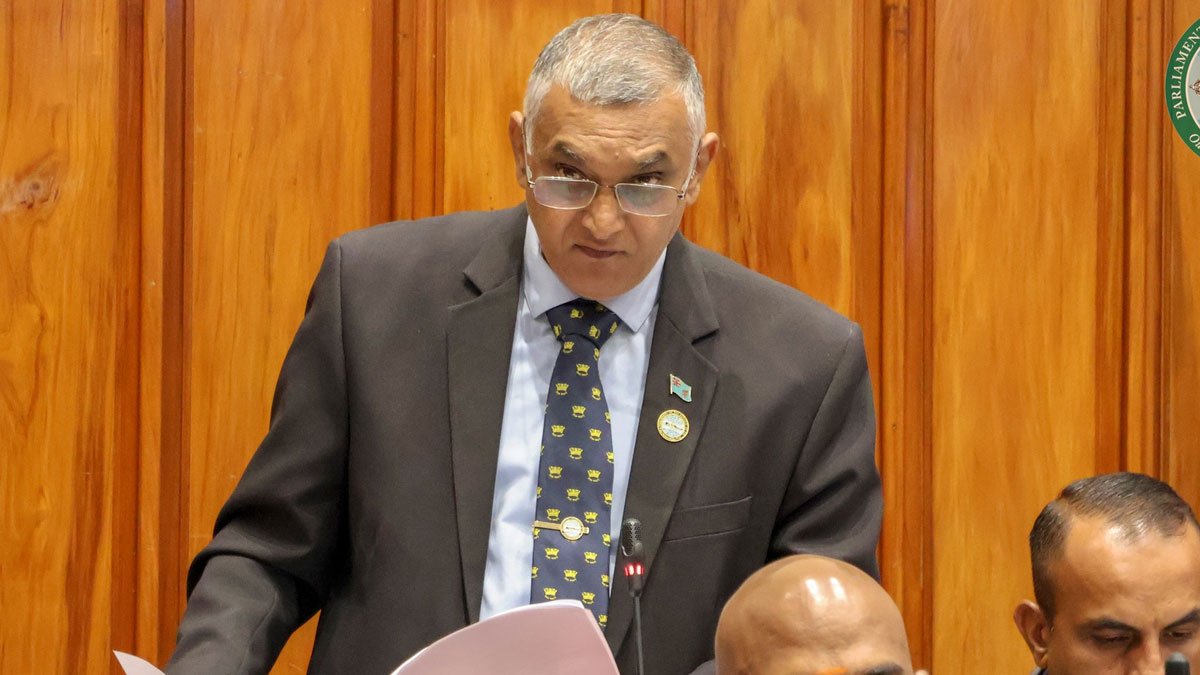













































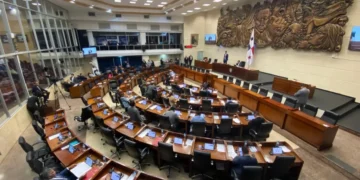









Opposition MP Virendra Lal has urged the Fijian government to introduce stronger legal protections for places of worship, following the desecration of deities at Samabula Shiv Temple last Friday. Describing the incident in Parliament earlier today as a “heinous act,” Lal emphasized that the offence was not only a violation of religious respect, but also an attack on the country’s social harmony, shared values, and unity.
“This is not just an attack on faith and community—it’s a direct affront to our humanity, our religious harmony, and our national unity,” Lal stated. He emphasized the repeated nature of such offences, despite ongoing community awareness efforts, and argued that inadequate legal frameworks have allowed sacrilegious acts to occur with little deterrence. “Such acts should be denounced in the strongest possible terms,” he added.
Lal’s call comes amid growing public concern over the frequency of attacks against religious sites, which he says are becoming “all too common.” He is urging the introduction of tougher legal provisions that would clearly categorize sacrilege, blasphemy, and damage to sacred property as distinct, punishable crimes. These offenses would carry stiffer sentences and higher fines to deter potential offenders.
Looking beyond Fiji, numerous countries have already codified protections for sacred spaces into their legal systems. For instance, India’s Prevention of Insults to National Honour Act and sections of its IPC (Indian Penal Code) penalize religious insults or attacks on holy objects with prison terms. Similarly, the UAE and several European nations ban hate crimes and desecration under broad legislation protecting religious freedom. In New Zealand, priests and religious buildings have long been shielded by laws against criminal damage and hate-motivated offending.
Lal suggested Fiji could adopt a hybrid model: merging specific sacrilege and blasphemy statutes with broader hate crime legislation. This could include community service or imprisonment for those convicted. Legislative frameworks might also support public education campaigns to increase awareness about the sanctity of worship spaces and religious symbols.
Preventing future incidents may require collaboration between law enforcement, religious authorities, interfaith groups, and civil society. Lal also highlighted successful prevention strategies abroad, such as enhanced security measures at synagogues and churches in Europe following last decade’s terrorist threats, including well-defined legal protections supported by public funding. Similar initiatives in Fiji might include CCTV installations, lighting around temples, mosques, and churches, as well as community-led patrol programs.
Although no suspects have been arrested in the Samabula Shiv temple incident, widespread condemnation has come from across political and faith leaders. The Fiji Muslim League, Christian Council, and other faith organizations have issued joint statements decrying the attack and echoing Lal’s call for firmer legislation.
Adding context to recent trends, data compiled by religious advocacy groups in Fiji show that attacks on houses of worship have increased by nearly 25% in the past three years—an alarming indication that these acts are not isolated. Meanwhile, recent census data indicates that Fiji’s religious landscape is becoming more diverse. With growing interfaith interactions, the need to protect places of worship is increasingly seen as essential to preserving national cohesion.
Implementing harsher penalties alone, however, may not be enough. Public policy specialists recommend a dual approach—legislative reform paired with community-led prevention efforts. Such a framework would balance the enforcement of stronger laws with improved religious literacy, public awareness campaigns, and support for interfaith initiatives. Just as importantly, reforms must ensure that communities are able to report offences safely and that prosecution guidelines are standardized.
As the Parliament returns from recess later this month, a draft bill addressing sacrilege, hate crime protections, and restoration of damaged places of worship is expected to be introduced by the Opposition. Whether the Government will support such legal reforms remains uncertain, but MP Viral Lal’s advocacy has thrust a sensitive yet critical issue into the national spotlight.
If adopted, these changes could send a strong message: that in Fiji, acts committed against sacred spaces and beliefs will carry real legal consequences—and that would mark a new chapter in protecting religious freedom and national unity.