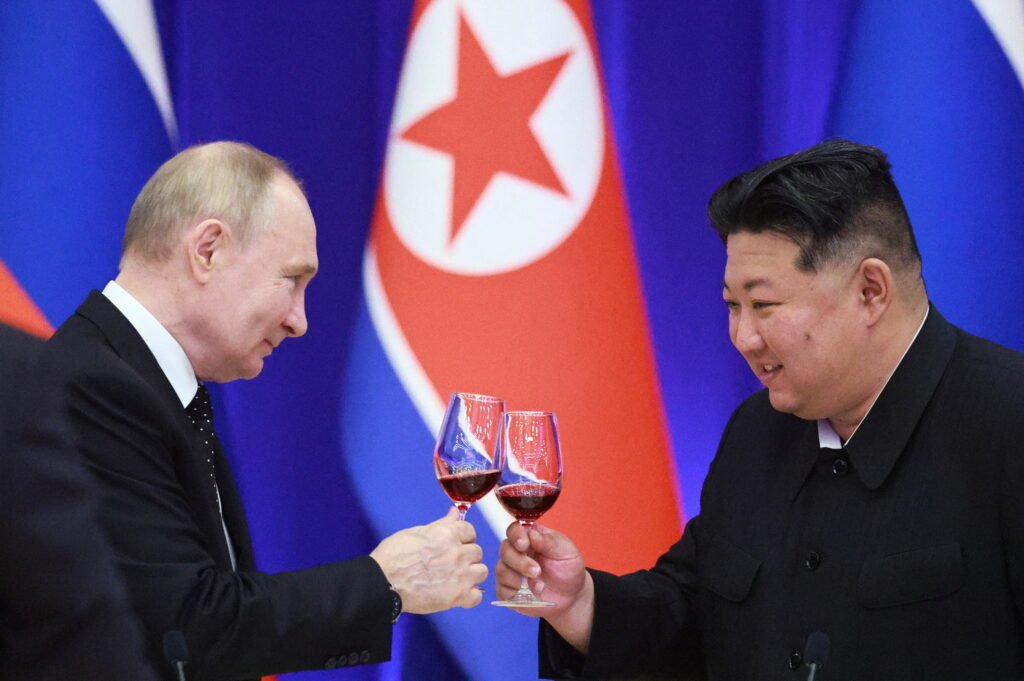















































In a compelling revelation, it has been reported that an estimated number of over 50,000 North Korean citizens are being dispatched to Russia for employment purposes. This development, as suggested by the informants, is a direct result of the ongoing military conflict in Ukraine, which has significantly depleted the labour resources in Russia.
North Korea has been the subject of international scrutiny over the years due to its alleged human rights abuses and autocratic leadership. On the other side, Russia, the world’s largest nation by landmass, has been embroiled in a conflict with Ukraine since 2014, a situation that has resulted in a severe strain on its workforce. The diversion of manpower towards the conflict has led to a vacuum in several sectors, which now appear to be filled by workers from North Korea.
The North Korean labour force is reportedly being deployed to Russia under conditions that have raised concerns about their welfare and human rights. The workers have likened their situation to slavery, indicating a lack of basic rights and freedoms. This echoes previous reports from human rights organisations that have often criticised the North Korean regime for its alleged forced labour practices, both within the country and abroad.
North Korea’s history of sending its citizens to work in foreign countries isn’t a new phenomenon. The country has been accused in the past of exporting labour to Russia and other countries as a means of circumventing international sanctions. These workers are often subjected to extreme working conditions, with long hours and minimal pay, with the majority of their earnings reportedly being returned to the North Korean government.
The deployment of North Korean workers to Russia, in this case, appears to be the result of a mutual need. On one hand, Russia’s labour market has been significantly disrupted by the ongoing conflict with Ukraine, creating a demand for additional workers. On the other hand, North Korea, which has been heavily sanctioned by the international community, finds in this a viable opportunity to generate income.
However, the conditions under which these North Korean workers are being sent to Russia raises serious concerns. If these workers are indeed being treated as slaves, as they claim, then this constitutes a serious violation of their human rights. It could potentially draw the attention of international bodies like the United Nations, which has been monitoring the situation in North Korea closely over the years.
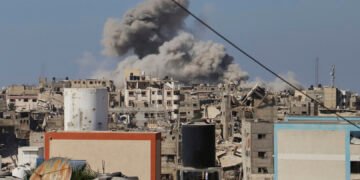
The Ukraine conflict, which began in 2014 following Russia’s annexation of Crimea, has had far-reaching effects on the region and beyond. The war has not only resulted in a significant loss of life and displacement of people but also has severe economic implications, as evidenced by the labour shortage in Russia. The use of North Korean workers could be seen as a temporary solution to this problem, but it raises ethical and legal questions that cannot be ignored.