





















































The sudden death of József Sebestyén, a 46-year-old ethnic Hungarian man from Ukraine’s Transcarpathia region, has triggered a political storm in Hungary. While pro-government media outlets and Prime Minister Viktor Orbán have accused Ukrainian conscription officers of beating Sebestyén to death, medical reports and eyewitness accounts suggest otherwise—indicating that he died of a heart attack.
Sebestyén’s death in early July quickly became headline news across Hungary, particularly in outlets aligned with Orbán’s administration. They claimed that he was a victim of forced conscription and physical abuse at the hands of Ukrainian military recruiters. The narrative, fueled by Hungary’s increasingly critical stance towards Ukraine, painted Sebestyén as a martyr in a broader campaign against alleged mistreatment of Hungarian minorities in Ukraine.
But a closer look at the case reveals significant discrepancies between political rhetoric and medical findings.
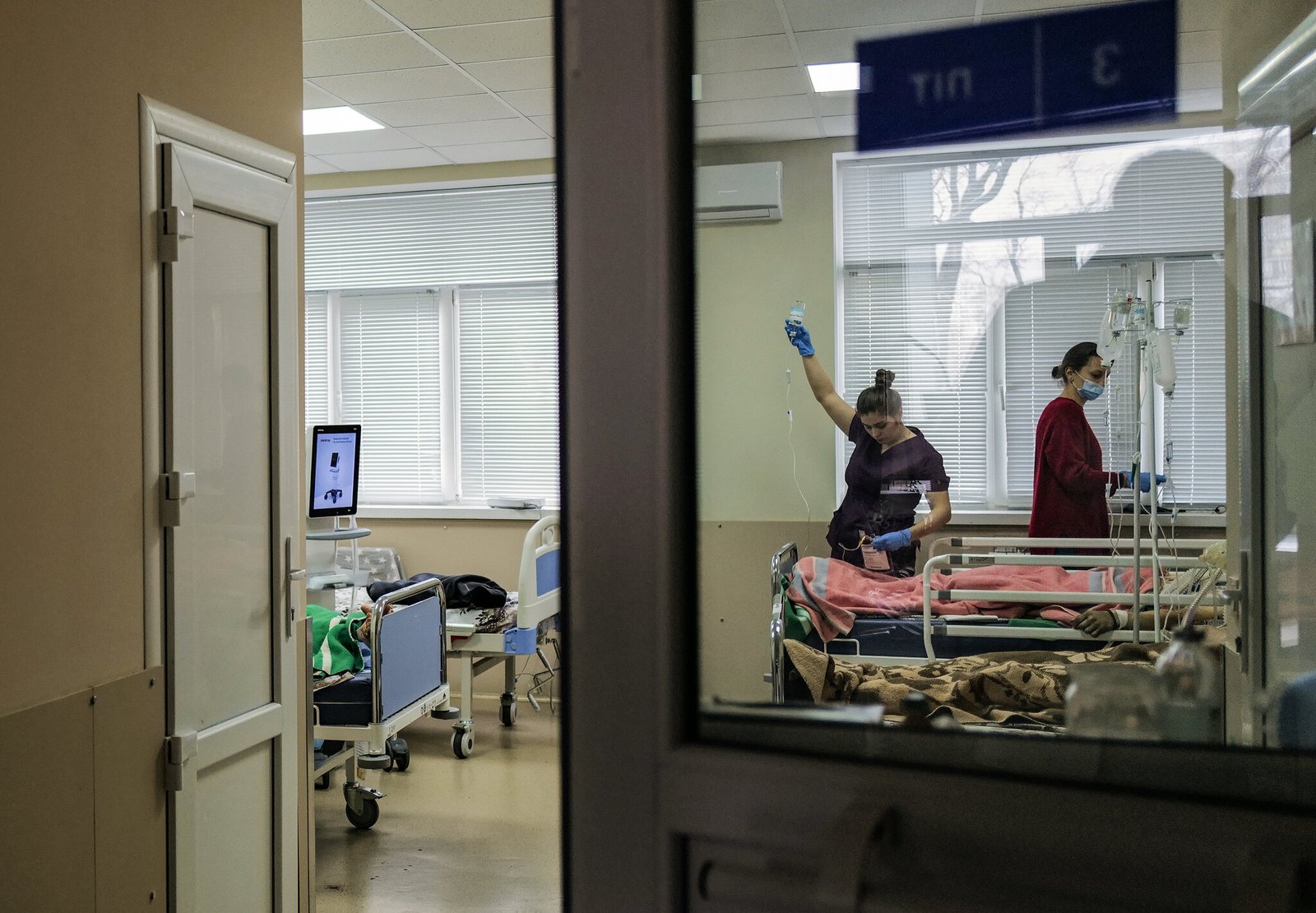
Contrary to claims of a violent death, the autopsy concluded that Sebestyén suffered a fatal heart attack caused by a blood clot that originated in his leg and lodged in his heart’s arteries. According to Zoltán Razsó, a Hungarian nurse who worked at the hospital where Sebestyén died, there were no visible signs of trauma on his body.
Speaking to Euronews, Razsó—who served nearly three years on the front lines and is widely respected for his experience—noted that Sebestyén died suddenly in the hospital bathroom, without prior warning signs. “Bruises and contusions are typically documented,” he said, adding that no such injuries were observed by hospital staff or recorded in medical logs.
Razsó’s account is corroborated by multiple colleagues, who confirmed that Sebestyén had been moved between wards and showed no physical evidence of assault. Furthermore, Razsó vouched for the credibility of the hospital’s coroner, who concluded that the cause of death was a natural cardiac event, not foul play.
Despite the medical evidence, pro-Orbán Hungarian media continue to promote the story that Sebestyén was beaten by Ukrainian recruiters. One article claimed—without citing any reliable sources—that the pathologist who conducted the autopsy was coerced into falsifying the report because his son had allegedly been detained by Ukrainian military officials. The claim originated from an unnamed source in Berehovo, a city in western Ukraine with a significant Hungarian population.
Hungarian Prime Minister Viktor Orbán has echoed these allegations in public appearances, using Sebestyén’s death to reinforce his longstanding criticism of Ukrainian President Volodymyr Zelenskyy’s administration. The Hungarian government has often accused Kyiv of mistreating ethnic minorities and failing to protect their rights.
While Sebestyén’s death appears to be unrelated to violence, there is documented evidence of heavy-handed recruitment tactics in some parts of Ukraine. Videos circulating on social media show Ukrainian Territorial Recruitment Centre (TCK) officers physically removing individuals who resist conscription, sometimes bundling them into buses—a practice colloquially known as “busification.”
Such enforcement methods are especially common in cities like Odesa, though less prevalent in Transcarpathia, where the Hungarian minority resides. According to Sándor Lengyák, a well-known Hungarian-Ukrainian blogger and veteran war correspondent, he has never witnessed forced conscription in Uzhhorod or other towns in the region. However, he acknowledges that outside the area, Ukrainian military recruiters have applied pressure to enforce draft obligations, particularly as the war drags on.
Resistance to conscription is viewed unfavorably by many Ukrainians, especially those who have experienced front-line combat. In a nation where nearly every family has lost someone in the war, public sentiment tends to support strict enforcement of military service requirements.
Despite political maneuvering in Budapest, residents of Transcarpathia told reporters that the local situation remains peaceful. Interviews with dozens of ethnic Hungarians from Uzhhorod to Solyvka revealed a common theme: there is no animosity between Hungarians and Ukrainians on the ground, and the community has remained cohesive since the Russian invasion began in 2022.
“The anti-Ukrainian rhetoric from Budapest does not reflect local reality,” said one resident. “We live side by side, and the war hasn’t changed that.”
These testimonies sharply contrast with Hungary’s state-backed narrative, which suggests widespread discrimination and violence against the Hungarian minority in Ukraine.
Since Russia launched its full-scale invasion on February 24, 2022, Ukraine has been under extreme pressure to replenish its military forces. Estimates suggest that over 170,000 Ukrainian soldiers have died in the conflict. In this context, military service has become both a legal obligation and a deeply personal responsibility for many citizens.
For some Ukrainian veterans now serving in recruitment roles, the burden of war has hardened their views. There is growing resentment toward individuals perceived to be avoiding conscription, particularly when others have sacrificed so much.
While this environment has fostered tough recruitment practices, experts argue that harsh enforcement doesn’t justify violence or abuse. Ukrainian human rights organizations have called for greater oversight of conscription centers and increased transparency in their operations.
The death of József Sebestyén, though tragic, appears to be the result of natural causes rather than violence, according to the medical professionals who examined him. Yet his passing has become a flashpoint in Hungary’s ongoing political battle with Ukraine, serving as a vehicle for Prime Minister Orbán’s critiques of Kyiv.
As the war continues and international scrutiny intensifies, stories like Sebestyén’s underscore the need for careful investigation, balanced reporting, and a focus on facts over political spin. While Ukraine navigates the challenges of war and national survival, both its domestic conduct and international reputation remain under the microscope.