













































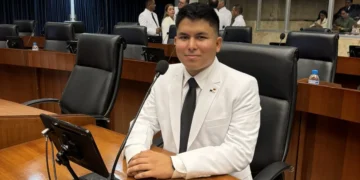











El Salvador lawmaker Cesia Rivas of the Vamos party has presented a legislative proposal to reform the country’s Criminal Code by introducing two new criminal offenses: aggravated disappearance of persons and cover-up or instigation in the crime of disappearance by public servants.
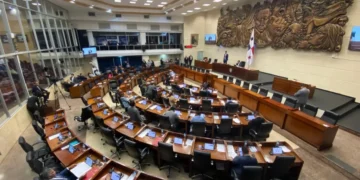
The proposal was brought forward during a recent plenary session in the Legislative Assembly. Rivas cited alarming data from the Attorney General’s 2024 report, which revealed that on average, one person continues to disappear every day in El Salvador. She emphasized the urgent need to address this ongoing crisis, stating, “That shouldn’t happen.”
Under the proposed reform, the crime of aggravated disappearance would be considered imprescriptible, allowing prosecution regardless of how much time has passed. It would also require mandatory action by the authorities. The offense would be categorized as aggravated if the victim is a minor, a woman, a person with disabilities, or someone in a vulnerable situation. Additional aggravating factors include the involvement of public officials, if the crime is committed systematically, or if it involves torture, death, or sexual violence. The punishment for this crime would range from 30 to 50 years in prison.
Rivas also proposed a second crime aimed specifically at public officials or authorities who, knowing about a disappearance, conceal evidence, obstruct investigations, prevent the victim’s rescue, or encourage others to commit such acts. This offense would carry a sentence of 15 to 20 years in prison.
She argued that current legislation regarding disappearances is insufficient because it does not account for aggravating circumstances, nor does it penalize cover-ups or instigation as separate crimes. While forced disappearance is already defined under the law, Rivas insisted it must be updated to reflect the current reality and ensure accountability, particularly within state institutions.
Despite the urgency and intent behind the initiative, the proposal received only limited support—backed by three votes from Vamos and ARENA. The ruling party coalition, made up of Nuevas Ideas, PCN, and PDC, declined to support the measure, effectively halting its progress.
Speaking during the debate, Rivas expressed deep concern over the state’s apparent normalization of disappearances. “The years and governments go by, and no one assumes their responsibility. It seems that we have normalized that El Salvador is on a clandestine grave,” she said.
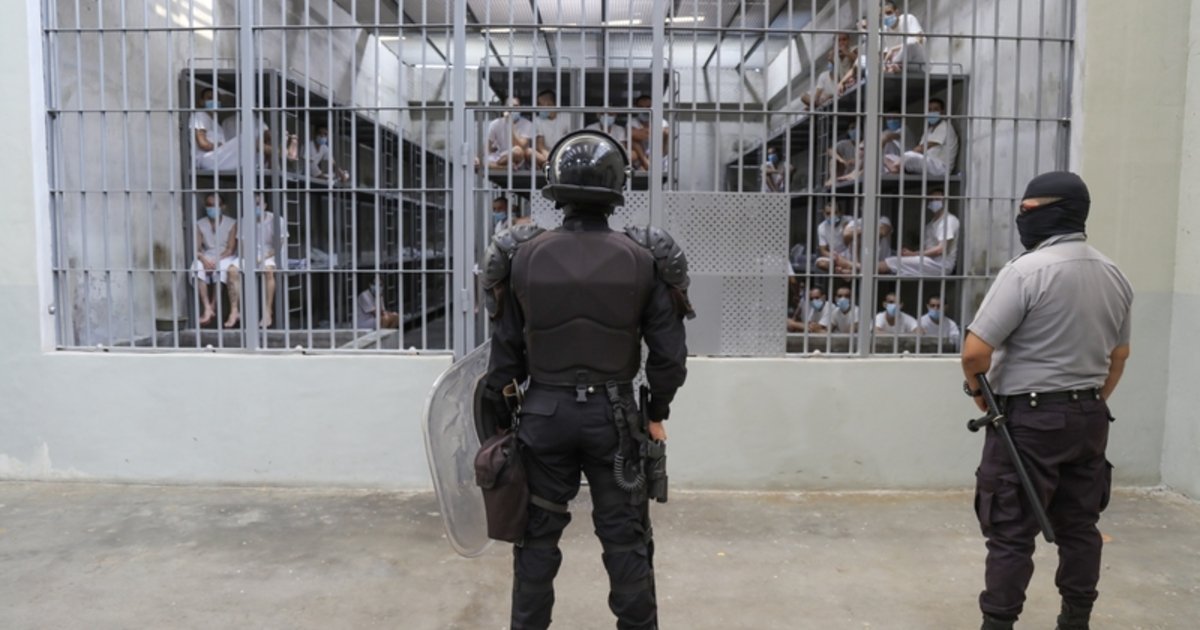
Disappearances in El Salvador remain a widespread and deeply rooted problem, exacerbated by a combination of organized crime, gang activity, and alleged state negligence. Human rights organizations have repeatedly urged the government to take stronger action to prevent disappearances and hold both perpetrators and complicit officials accountable.
Rivas’s proposal has reopened a national conversation around the state’s role in addressing forced disappearances and the need for reforms that bring justice to affected families. Although her initiative did not pass, it has sparked public debate about transparency, accountability, and the rule of law in a country where too many families are still searching for missing loved ones.