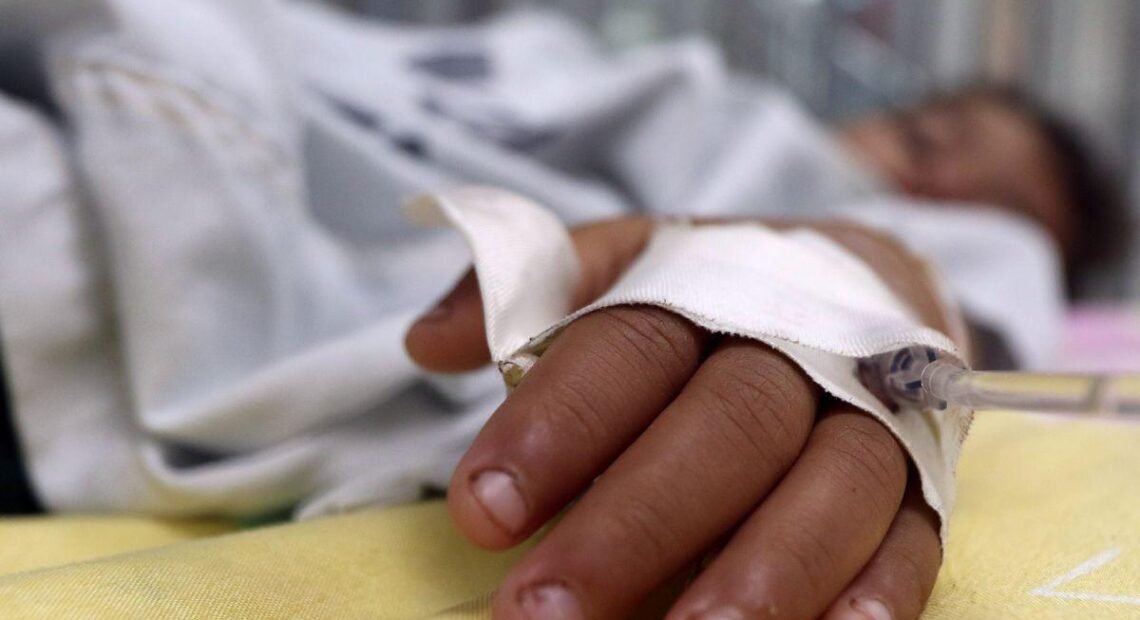



























































El Salvador is experiencing a troubling spike in dengue infections among children and teenagers, prompting public health concerns and the closure of more than 50 family ECOS (Community Health Teams) units across the country. Health experts are warning of a deepening crisis as dengue becomes increasingly concentrated in the younger population, with serious implications for public health infrastructure and access to care.
According to epidemiologist and tropical disease specialist Dr. Alfonso Rosales, the dengue situation in El Salvador reflects a growing trend across the Americas. “Dengue is becoming infantilized in the region, and this is clearly evident here in El Salvador, where 100% of reported cases involve individuals under 19 years old,” Dr. Rosales stated. Most cases are being reported among those aged 10 to 19, but children as young as five are also being hospitalized with the disease.
The country’s alarming rise in suspected dengue infections aligns with the regional pattern across Latin America, which saw over 13 million reported cases in 2024. This includes thousands of serious cases requiring hospitalization and an increasing number of fatalities, especially among minors.
Dengue symptoms can range from high fever, severe headaches, pain behind the eyes, muscle and joint pain, nausea, and vomiting, to skin rashes. However, Rosales warned that the most severe forms of the illness are surfacing in children. He urged parents and caregivers to seek immediate medical attention at the first signs of the disease. “It is the children who are presenting the serious cases, and a serious case begins when a child starts experiencing bleeding gums, severe abdominal pain, or red spots on the skin—these are clear indicators that the patient is entering a dangerous phase and must be hospitalized,” Rosales emphasized.
Data from El Salvador’s Ministry of Health (MINSAL) for epidemiological week 27, covering June 29 to July 5, show the highest number of infections in children between 10 and 19 years old, with 864 cases. Children between the ages of 5 and 9 recorded 830 cases, and those between 1 and 4 years had 351. These figures underscore the rapid spread among the most vulnerable age groups.
Dr. Rosales also highlighted that one of the dengue strains currently circulating in the country is DEN-3, which is known to cause hemorrhagic dengue—a more severe and potentially fatal form of the disease. On July 10, MINSAL confirmed the first dengue-related death of the year, which the health minister later revealed was a minor. Between July 2 and July 7, two other children reportedly died in the San Antonio Silva area of San Miguel, both suspected of having contracted dengue.
Despite the high number of suspected infections, reported cases are still lower than the same period in 2024. By July 5, El Salvador had recorded 2,647 suspected cases—1,045 fewer than the year before. Confirmed cases stood at 96, compared to 313 last year. There has only been one officially reported case of severe dengue so far, down from 15 in 2024. Hospital discharges are also down, with 94 discharges reported compared to 252 during the same timeframe last year.
Dr. Rosales pointed out that the disease is largely concentrated in urban centers, particularly those with high population densities. The municipalities most affected include San Salvador, San Miguel, and Santa Ana, with outbreaks tied to factors such as overcrowding, poor sanitation, and stagnant water—conditions that create optimal breeding grounds for Aedes aegypti mosquitoes, the primary vector for dengue.
The closure of over 50 family ECOS units nationwide—many of which provide first-line health services to low-income and rural populations—has further compounded the public health challenge. These closures, attributed to a combination of resource limitations and logistical challenges, may hinder the country’s ability to contain and treat future outbreaks effectively.
As dengue cases continue to climb, medical professionals and health advocates are urging stronger public awareness campaigns, improved access to emergency care, and sustained investment in vector control measures. With the youth of El Salvador increasingly at risk, the current situation serves as a critical reminder of the need for comprehensive strategies to manage and prevent dengue on both local and regional levels.