




























































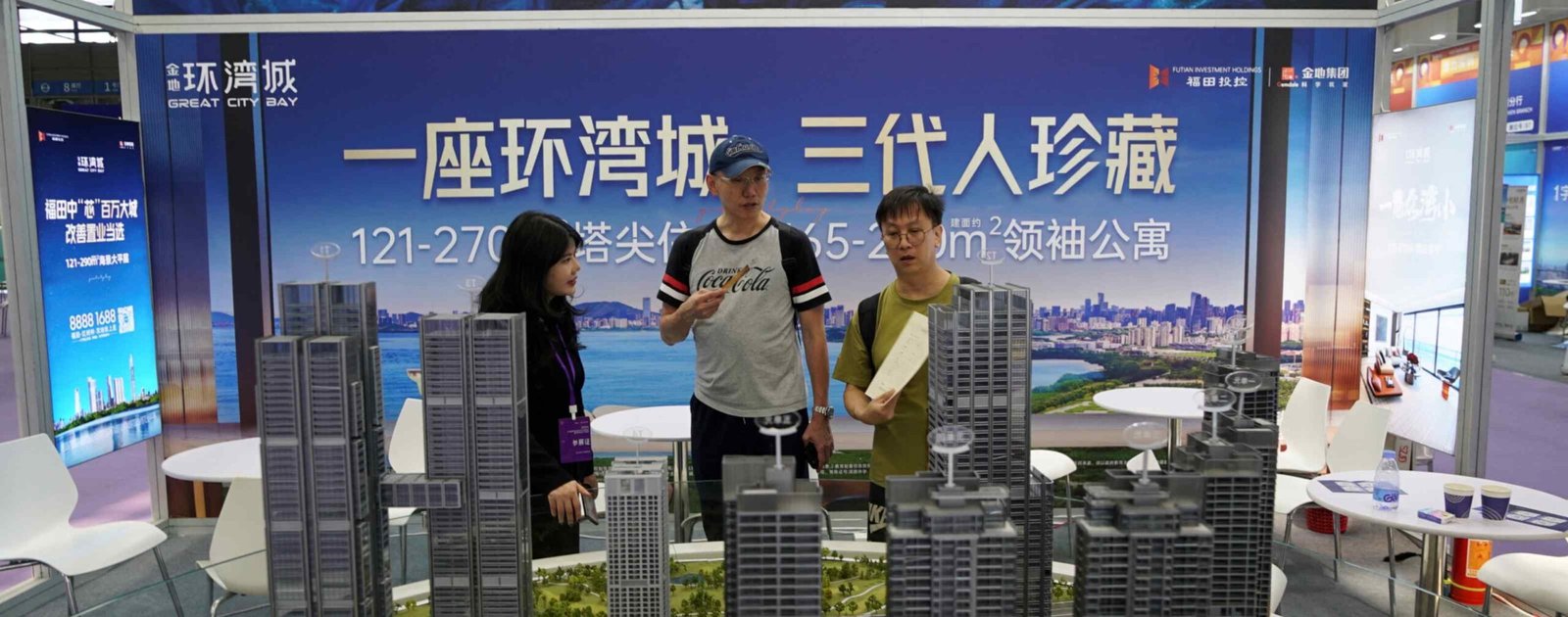
In a significant development for the property market, Shenzhen has announced the relaxation of certain homebuying restrictions, joining other major cities in China that are also taking steps to stimulate their real estate sectors. This move comes as a response to ongoing challenges faced by the housing market, including declining sales and falling prices, which have persisted over recent months.
Shenzhen, known for its rapid urbanisation and economic growth, has been grappling with a property market that has shown signs of stagnation. The city’s government has implemented measures aimed at revitalising the sector, which is crucial not only for local economic stability but also for broader national growth. The easing of these restrictions is part of a broader trend across China, where various municipalities are attempting to strike a balance between curbing speculation and enabling genuine homeownership.
The specific changes in Shenzhen include the removal of some limits on home purchases for residents and adjustments to the mortgage policies that previously restricted buyers, particularly those looking to acquire second properties. By relaxing these rules, authorities hope to encourage more transactions and ultimately bolster property prices, which have seen a downturn as buyers remain hesitant amidst economic uncertainties.
Shenzhen’s decision reflects a growing recognition that the real estate market plays a pivotal role in the overall economy. The city has been a focal point for innovation and technology, housing numerous startups and tech giants, which has attracted a considerable influx of residents. However, this influx has also led to skyrocketing property prices in the past, making home ownership increasingly unattainable for many. The recent adjustments aim to remedy this situation, promoting a more sustainable and accessible housing market.
In recent months, other Chinese cities have similarly loosened their property regulations. Cities like Beijing and Shanghai have also introduced measures designed to stimulate the housing market, recognising that a vibrant property sector is essential for both consumer confidence and economic recovery. These measures have included reductions in down payment requirements and incentives for first-time homebuyers.
As the Chinese government continues to navigate the complexities of its real estate market, the focus remains on ensuring stability and preventing speculative bubbles that could harm the economy in the long run. The easing of restrictions in Shenzhen is seen as a necessary step towards achieving this balance, allowing more individuals and families to enter the housing market while mitigating the risks associated with excessive speculation.
Market analysts have noted that while these measures may provide a temporary boost, the long-term health of the property sector will depend on broader economic conditions and consumer sentiment. Confidence among buyers has been shaken by factors such as economic slowdowns, rising interest rates, and uncertainties surrounding the job market. Therefore, the effectiveness of these policy changes in stimulating demand will be closely monitored.
The real estate sector in China has historically been a key driver of economic growth, contributing significantly to GDP. However, the past few years have highlighted vulnerabilities within the market, prompting the government to take a more cautious approach. The recent policy shifts in Shenzhen and other cities may signal the beginning of a more proactive stance aimed at supporting homebuyers while ensuring that the market does not overheat.
As these changes take effect, stakeholders across the property sector are hopeful that the adjustments will lead to a more stable market environment. The response from potential homebuyers will be critical in determining the success of these initiatives, as many are still weighing their options in an uncertain economic landscape. The coming months will be vital in assessing whether these measures can effectively catalyse a recovery in the housing market, not just in Shenzhen but across China as a whole.